
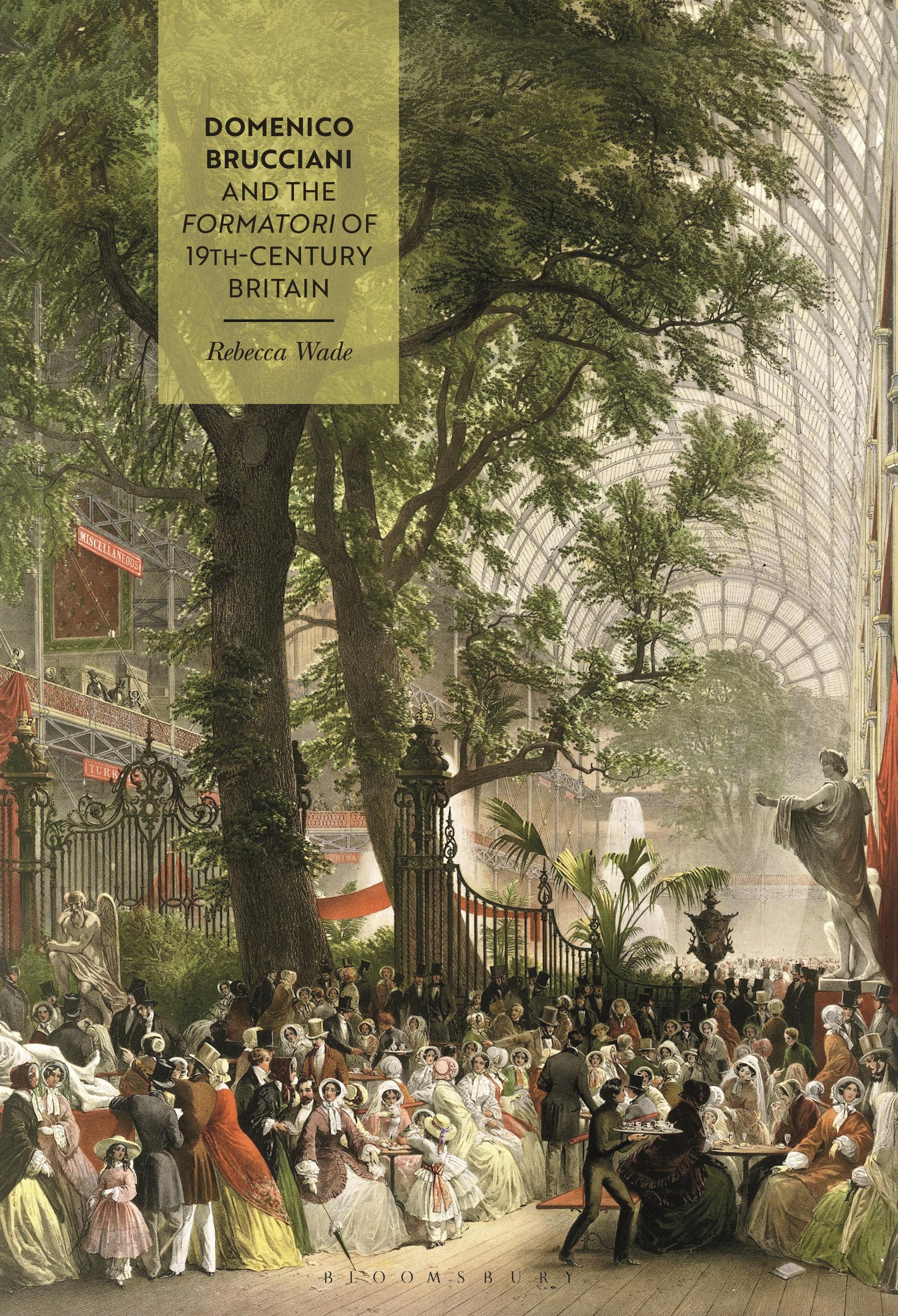
Born near the Tuscan province of Lucca in 1815, Domenico Brucciani became the most important and prolific maker of plaster casts in nineteenth-century Britain. This first substantive study shows how he and his business used public exhibitions, emerging museum culture and the nationalisation of art education to monopolise the market for reproductions of classical and contemporary sculpture.
Based in Covent Garden in London, Brucciani built a network of fellow Italian émigré formatori and collaborated with other makers of facsimiles-including Elkington the electrotype manufacturers, Copeland the makers of Parian ware and Benjamin Cheverton with his sculpture reducing machine-to bring sculpture into the spaces of learning and leisure for as broad a public as possible.
Brucciani's plaster casts survive in collections from North America to New Zealand, but the extraordinary breadth of his practice-making death masks of the famous and infamous, producing pioneering casts of anatomical, botanical and fossil specimens and decorating dance halls and theatres across Britain-is revealed here for the first time. By making unprecedented use of the nineteenth-century periodical press and dispersed archival sources, Domenico Brucciani and the Formatori of Nineteenth-Century Britain establishes the significance of Brucciani's sculptural practice to the visual and material cultures of Victorian Britain and beyond.
Based in Covent Garden in London, Brucciani built a network of fellow Italian émigré formatori and collaborated with other makers of facsimiles-including Elkington the electrotype manufacturers, Copeland the makers of Parian ware and Benjamin Cheverton with his sculpture reducing machine-to bring sculpture into the spaces of learning and leisure for as broad a public as possible.
Brucciani's plaster casts survive in collections from North America to New Zealand, but the extraordinary breadth of his practice-making death masks of the famous and infamous, producing pioneering casts of anatomical, botanical and fossil specimens and decorating dance halls and theatres across Britain-is revealed here for the first time. By making unprecedented use of the nineteenth-century periodical press and dispersed archival sources, Domenico Brucciani and the Formatori of Nineteenth-Century Britain establishes the significance of Brucciani's sculptural practice to the visual and material cultures of Victorian Britain and beyond.
Pay easily by card, Klarna, Apple Pay or Google Pay. Not happy? You always have a 14-day money-back guarantee. Read more in our terms. If you have any questions, email us at hello@memmo.org.
Memmo makes studying easier – wherever you are in the world. We bring your course books and smart study tools together in one place: summaries, quizzes, podcasts and flashcards. Plus Ted, your study buddy who answers anything you wonder. Over 50,000 students already study here – built to help you learn faster and stress less.