
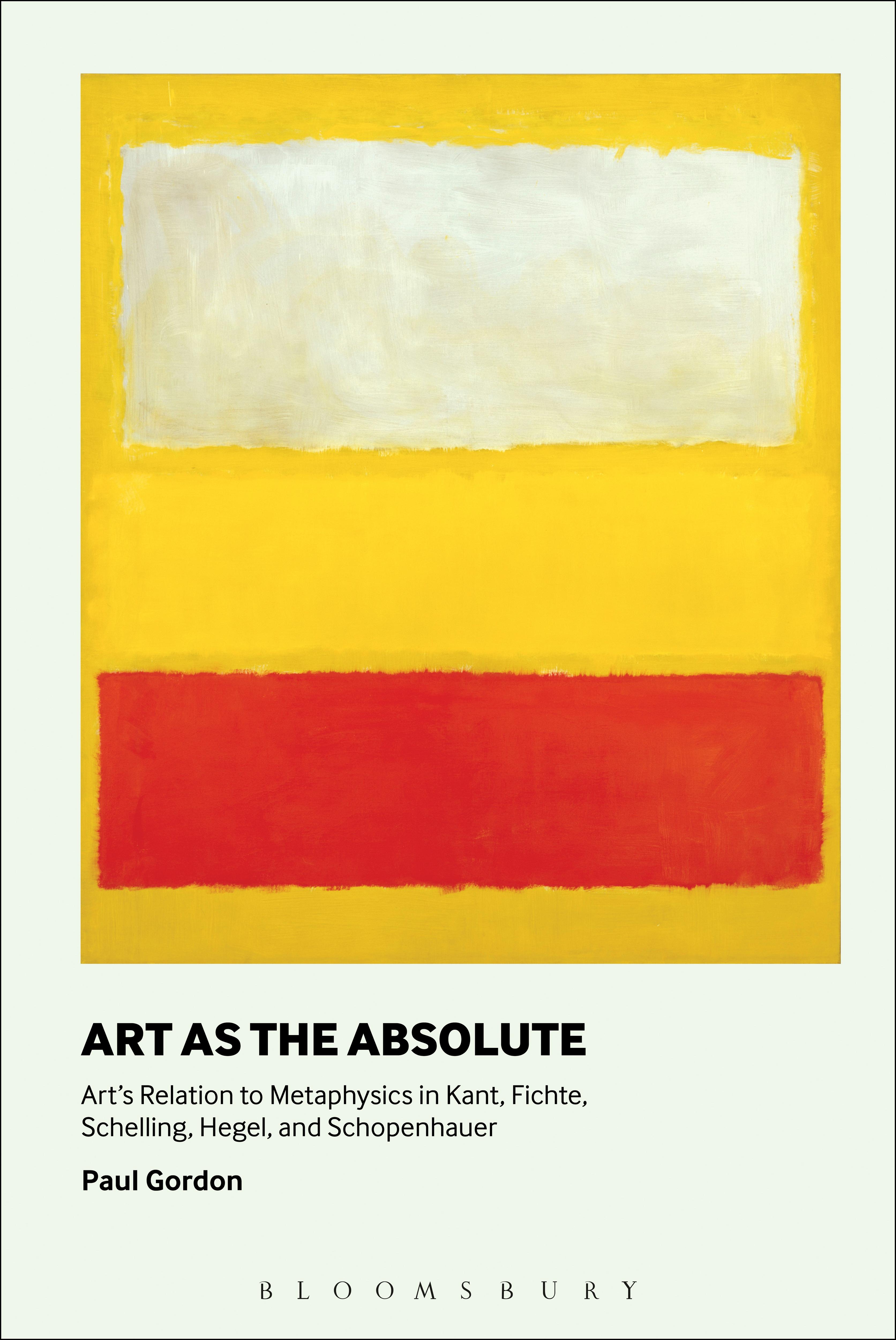
Art as the Absolute is a literary and philosophical investigation into the meaning of art and its claims to truth. Exploring in particular the writings of Kant and those who followed after, including Fichte, Schelling, Hegel, Schopenhauer, and Nietzsche, Paul Gordon contends that art solves the problem of how one can “know” the absolute in non-conceptual, non-discursive terms.
The idea of art's inherent relation to the absolute, first explicitly rendered by Kant, is examined in major works from 1790 to 1823. The first and last chapters, on Plato and Nietzsche respectively, deal with precursors and “post-cursors” of this idea. Gordon shows and seeks to reddress the lack of attention to this idea after Hegel, as well as in contemporary reassessments of this period. Art as the Absolute will be of interest to students and scholars studying aesthetics from both a literary and philosophical perspective.
The idea of art's inherent relation to the absolute, first explicitly rendered by Kant, is examined in major works from 1790 to 1823. The first and last chapters, on Plato and Nietzsche respectively, deal with precursors and “post-cursors” of this idea. Gordon shows and seeks to reddress the lack of attention to this idea after Hegel, as well as in contemporary reassessments of this period. Art as the Absolute will be of interest to students and scholars studying aesthetics from both a literary and philosophical perspective.
Pay easily by card, Klarna, Apple Pay or Google Pay. Not happy? You always have a 14-day money-back guarantee. Read more in our terms. If you have any questions, email us at hello@memmo.org.
Memmo makes studying easier – wherever you are in the world. We bring your course books and smart study tools together in one place: summaries, quizzes, podcasts and flashcards. Plus Ted, your study buddy who answers anything you wonder. Over 50,000 students already study here – built to help you learn faster and stress less.