
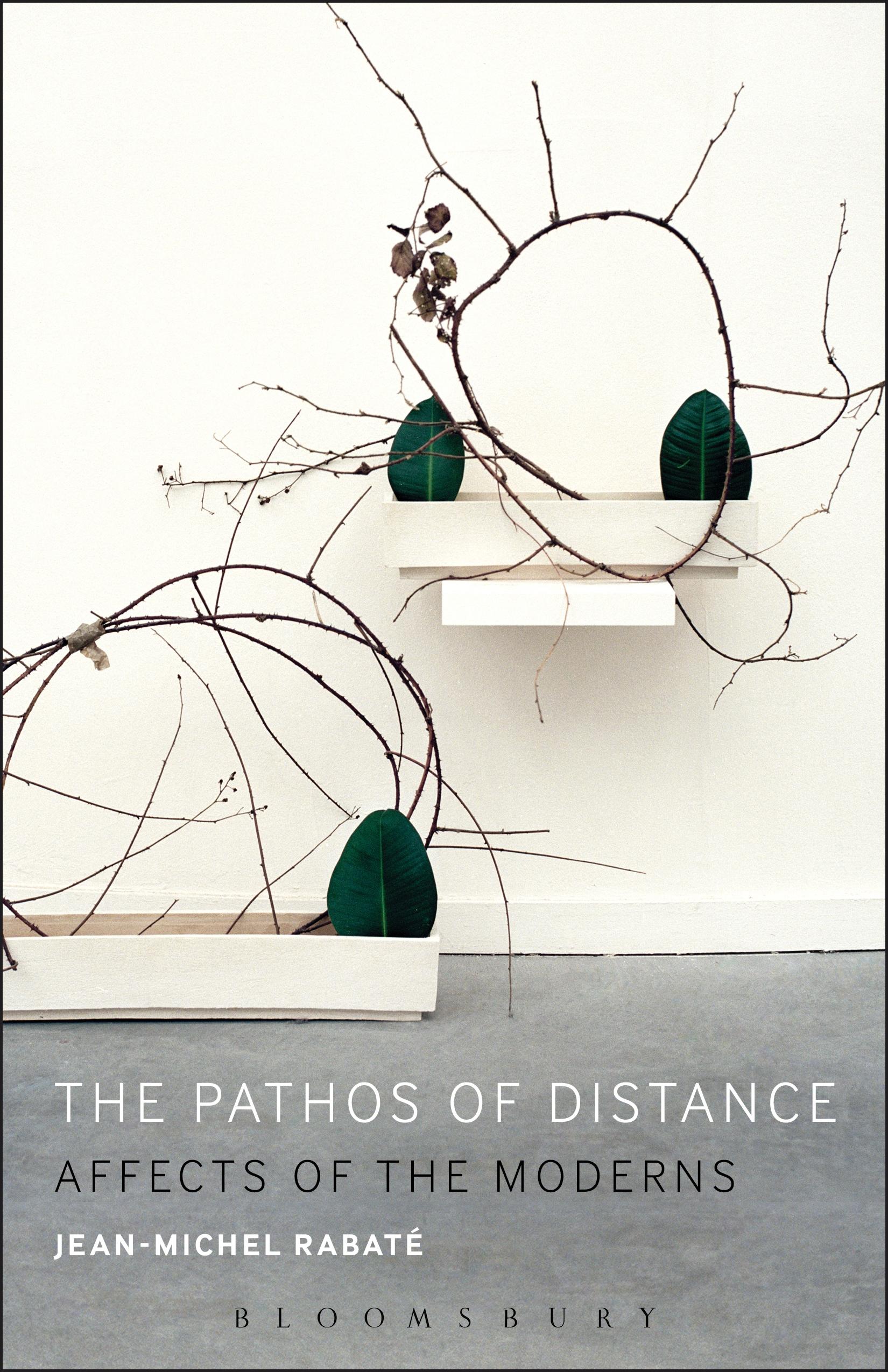
Jean-Michel Rabaté uses Nietzsche's image of a “pathos of distance,” the notion that values are created by a few gifted and lofty individuals, as the basis for a wide-ranging investigation into the ethics of the moderns. Revealing overlooked connections between Nietzsche's and Benjamin's ideas of history and ethics, Rabaté provides an original genealogy for modernist thought, moving through figures and moments as varied as Yeats and the birth of Irish Modernism, the ethics of courage in Virginia Woolf, Rilke, Apollinaire, and others in 1910, T. S. Eliot's post-war despair, Jean Cocteau's formidable selfmythology in his first film The Blood of a Poet, Siri Hustvedt's novel of American trauma, and J. M. Coetzee's dystopia portraying an affectless future haunted by a messianic promise.
Pay easily by card, Klarna, Apple Pay or Google Pay. Not happy? You always have a 14-day money-back guarantee. Read more in our terms. If you have any questions, email us at hello@memmo.org.
Memmo makes studying easier – wherever you are in the world. We bring your course books and smart study tools together in one place: summaries, quizzes, podcasts and flashcards. Plus Ted, your study buddy who answers anything you wonder. Over 50,000 students already study here – built to help you learn faster and stress less.