
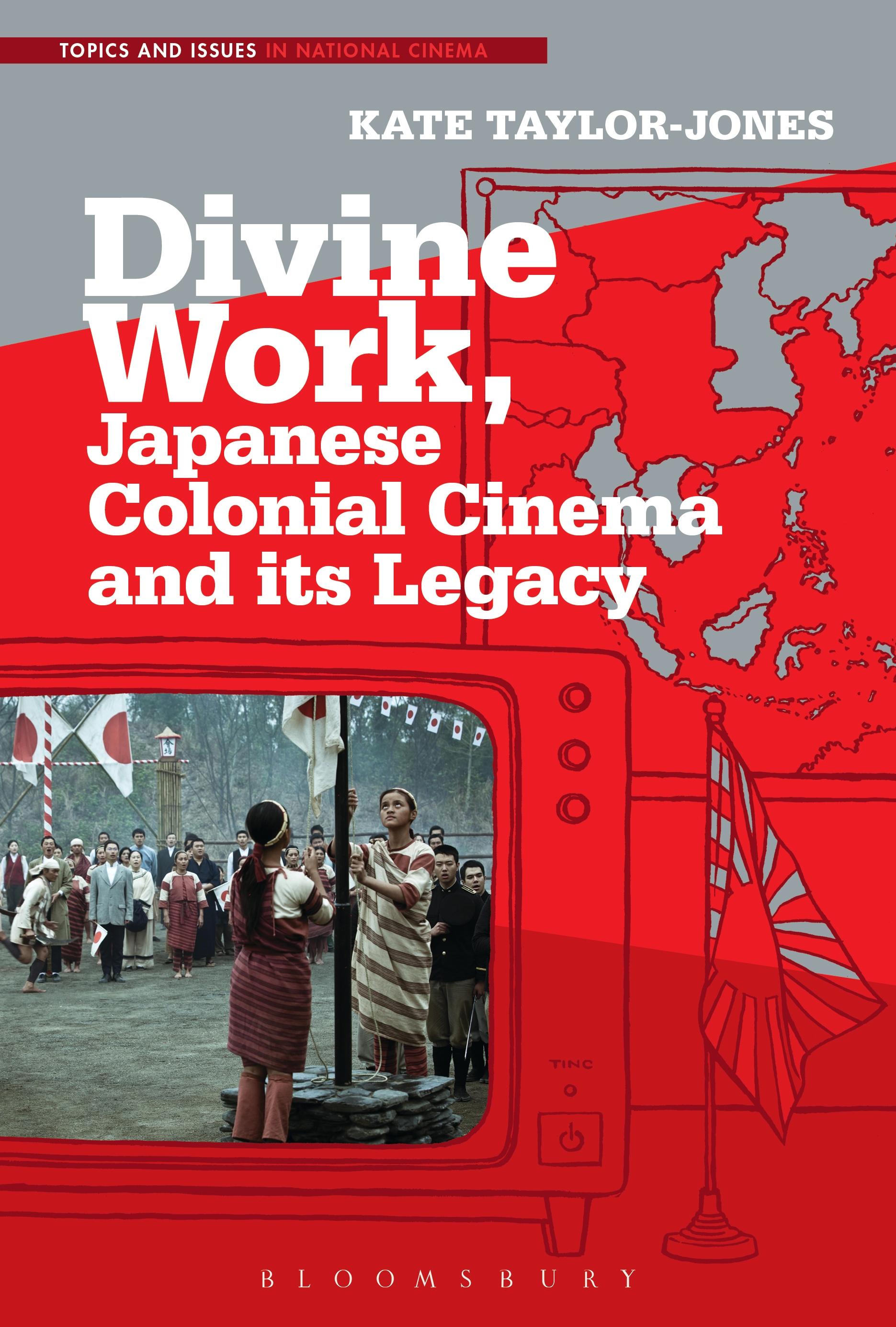
For many East Asian nations, cinema and Japanese Imperialism arrived within a few years of each other. Exploring topics such as landscape, gender, modernity and military recruitment, this study details how the respective national cinemas of Japan's territories struggled under, but also engaged with, the Japanese Imperial structures. Japan was ostensibly committed to an ethos of pan-Asianism and this study explores how this sense of the transnational was conveyed cinematically across the occupied lands. Taylor-Jones traces how cinema in the region post-1945 needs to be understood not only in terms of past colonial relationships, but also in relation to how the post-colonial has engaged with shifting political alliances, the opportunities for technological advancement and knowledge, the promise of larger consumer markets, and specific historical conditions of each decade.
Pay easily by card, Klarna, Apple Pay or Google Pay. Not happy? You always have a 14-day money-back guarantee. Read more in our terms. If you have any questions, email us at hello@memmo.org.
Memmo makes studying easier – wherever you are in the world. We bring your course books and smart study tools together in one place: summaries, quizzes, podcasts and flashcards. Plus Ted, your study buddy who answers anything you wonder. Over 50,000 students already study here – built to help you learn faster and stress less.