
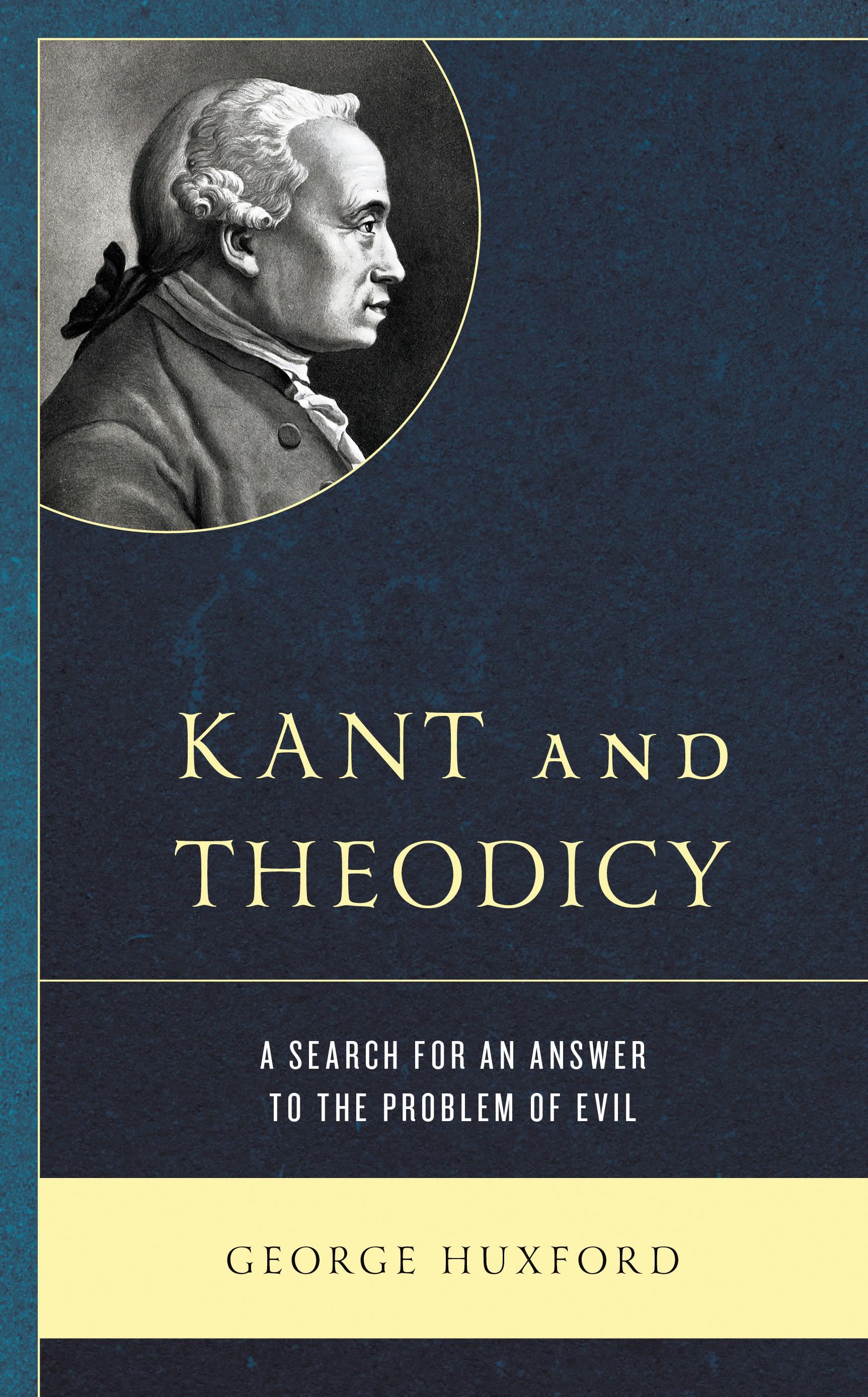
In Kant and Theodicy: A Search for an Answer to the Problem of Evil, George Huxford proves that Kant’s engagement with theodicy was career-long and not confined to his short 1791 treatise that dealt explicitly with the subject. Huxford treats Kant’s developing thought on theodicy in three periods: pre-Critical (exploration), early-Critical (transition), and late-Critical (conclusion). Illustrating the advantage of approaching Kant through this framework, Huxford argues that Kant’s stance developed through his career into his own unique authentic theodicy; Kant rejected philosophical theodicies based on theoretical/speculative reason but advanced authentic theodicy grounded in practical reason, finding a middle ground between philosophical theodicy and fideism, both of which he rejected. Nevertheless, Huxford concludes that Kant’s authentic theodicy fails because it fails to meet his own definition of a theodicy.
Pay easily by card, Klarna, Apple Pay or Google Pay. Not happy? You always have a 14-day money-back guarantee. Read more in our terms. If you have any questions, email us at hello@memmo.org.
Memmo makes studying easier – wherever you are in the world. We bring your course books and smart study tools together in one place: summaries, quizzes, podcasts and flashcards. Plus Ted, your study buddy who answers anything you wonder. Over 50,000 students already study here – built to help you learn faster and stress less.