
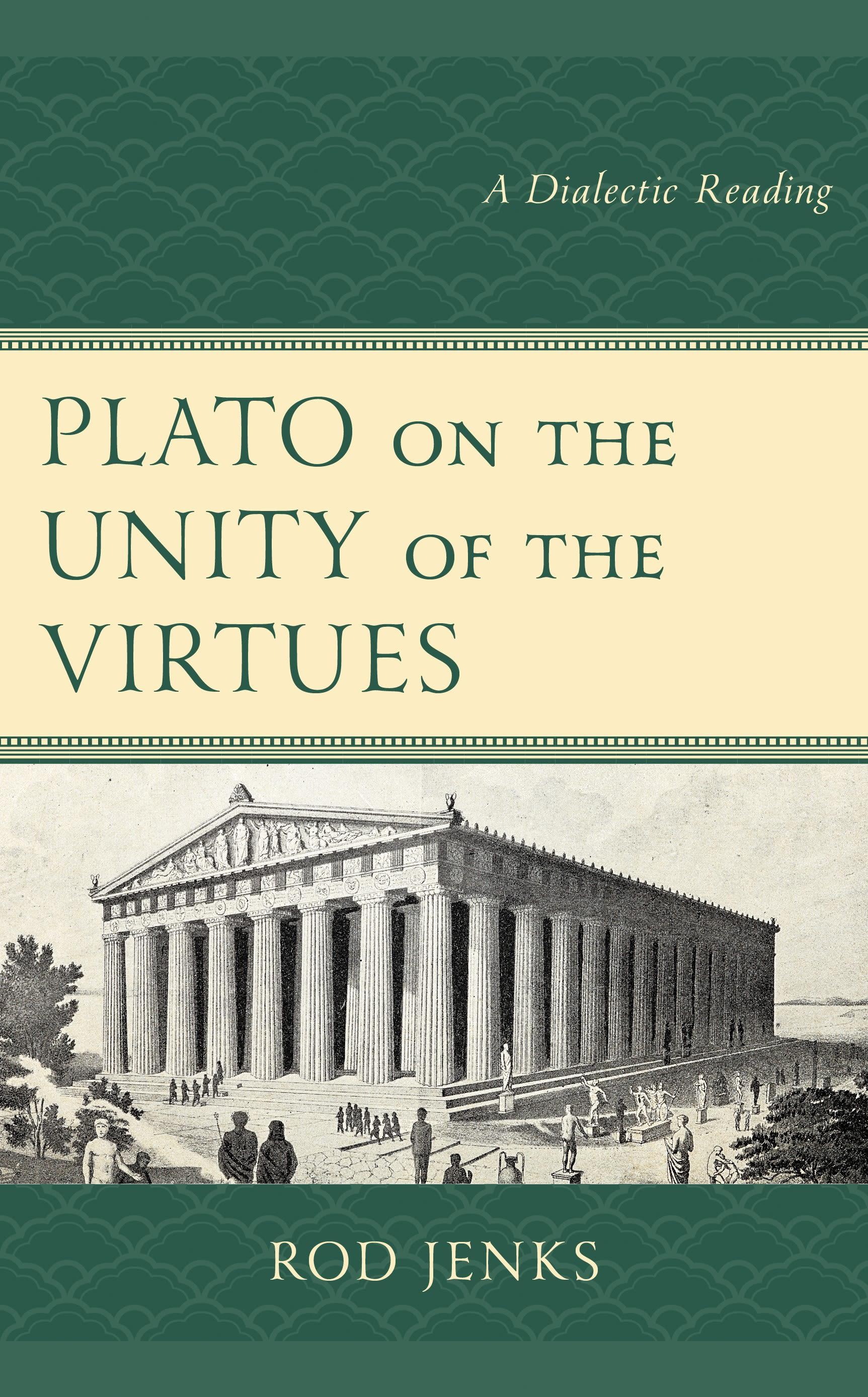
Plato, in the Protagoras, suggests that the virtues are profoundly unified yet also distinct. In Plato on the Unity of the Virtues: A Dialectic Reading, Rod Jenks argues that the way in which virtues are both one and many is finally ineffable. He shows how Plato countenances ineffability throughout his corpus. Jenks’s interpretation of Protagoras accounts for the otherwise-inexplicable inability of both Socrates and Protagoras to identify the bone of contention between them. Not only can the thesis not be argued for; it can’t even be properly stated. In this book, Jenks shows how the long exegesis on the Simonides poem is philosophically relevant. Further, he shows that both the parts-of-the-face analogy and the gold analogy are inadequate, arguing that Plato intends them to be so. Jenks explains why the unity thesis is supported by what most scholars agree are terrible arguments: that the virtues are both one and many. He explains why, despite the unity claim being profoundly elusive, Plato believes it to be crucial that we come to appreciate how virtue, which really does have parts, can also be profoundly one.
Pay easily by card, Klarna, Apple Pay or Google Pay. Not happy? You always have a 14-day money-back guarantee. Read more in our terms. If you have any questions, email us at hello@memmo.org.
Memmo makes studying easier – wherever you are in the world. We bring your course books and smart study tools together in one place: summaries, quizzes, podcasts and flashcards. Plus Ted, your study buddy who answers anything you wonder. Over 50,000 students already study here – built to help you learn faster and stress less.