
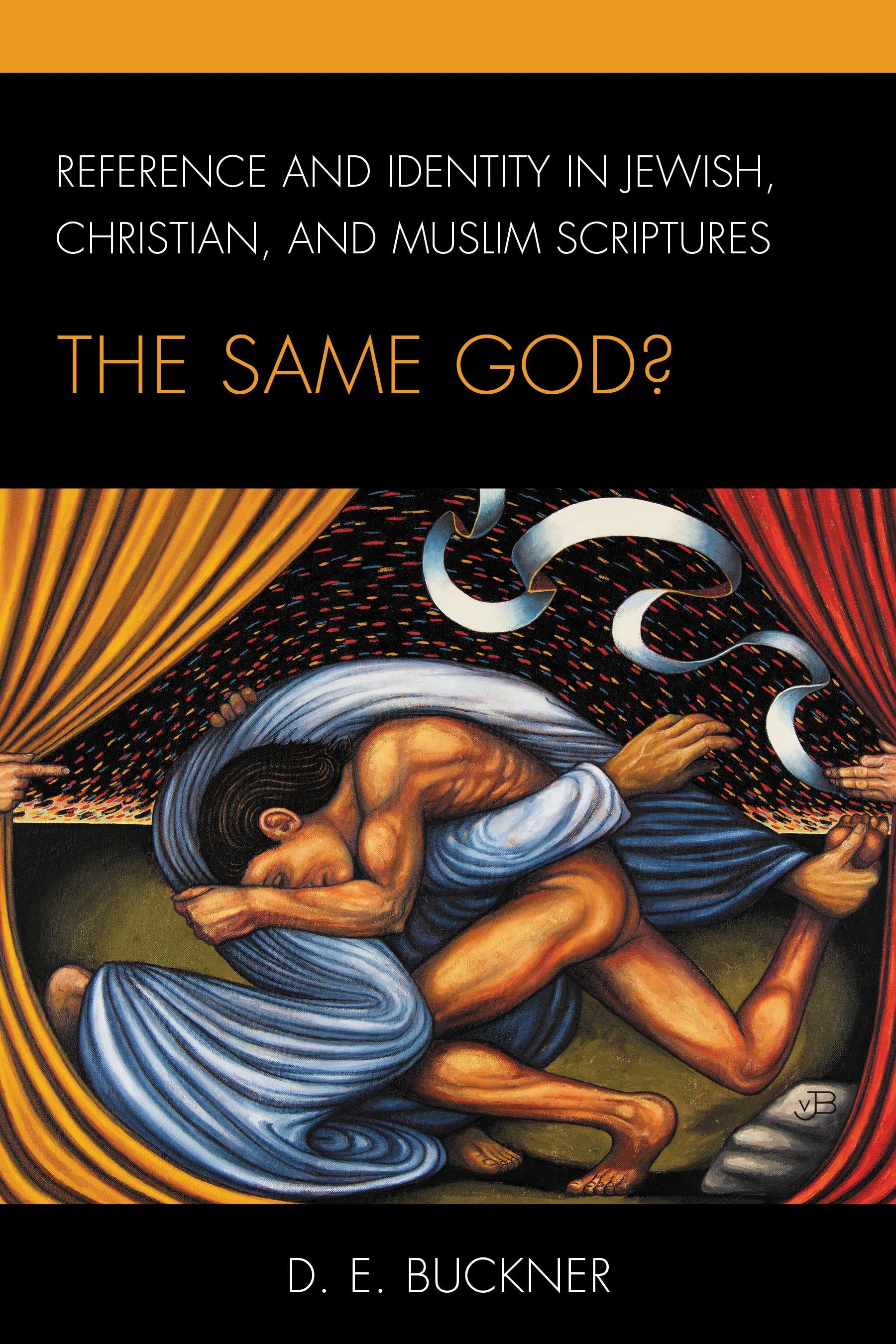
In Reference and Identity in Jewish, Christian, and Muslim Scriptures: The Same God?, D. E. Buckner argues that all reference is story-relative. We cannot tell which historical individual a person is talking or writing about or addressing in prayer without familiarity with the narrative (oral or written) which introduces that individual to us, so we cannot understand reference to God, nor to his prophets, nor to any other character mentioned in the Jewish, Christian, or Muslim scriptures, without reference to those very scriptures. In this context we must understand God as the person who “walked in the garden in the cool of the day” (Gen. 3:8), and who is continuously referred to in the books of the Hebrew Bible and New Testament, as well as the Quran. Further developing ideas presented by the late Fred Sommers in his seminal The Logic of Natural Language, Buckner argues that singular reference and singular conception is empty outside such a context.
Pay easily by card, Klarna, Apple Pay or Google Pay. Not happy? You always have a 14-day money-back guarantee. Read more in our terms. If you have any questions, email us at hello@memmo.org.
Memmo makes studying easier – wherever you are in the world. We bring your course books and smart study tools together in one place: summaries, quizzes, podcasts and flashcards. Plus Ted, your study buddy who answers anything you wonder. Over 50,000 students already study here – built to help you learn faster and stress less.