
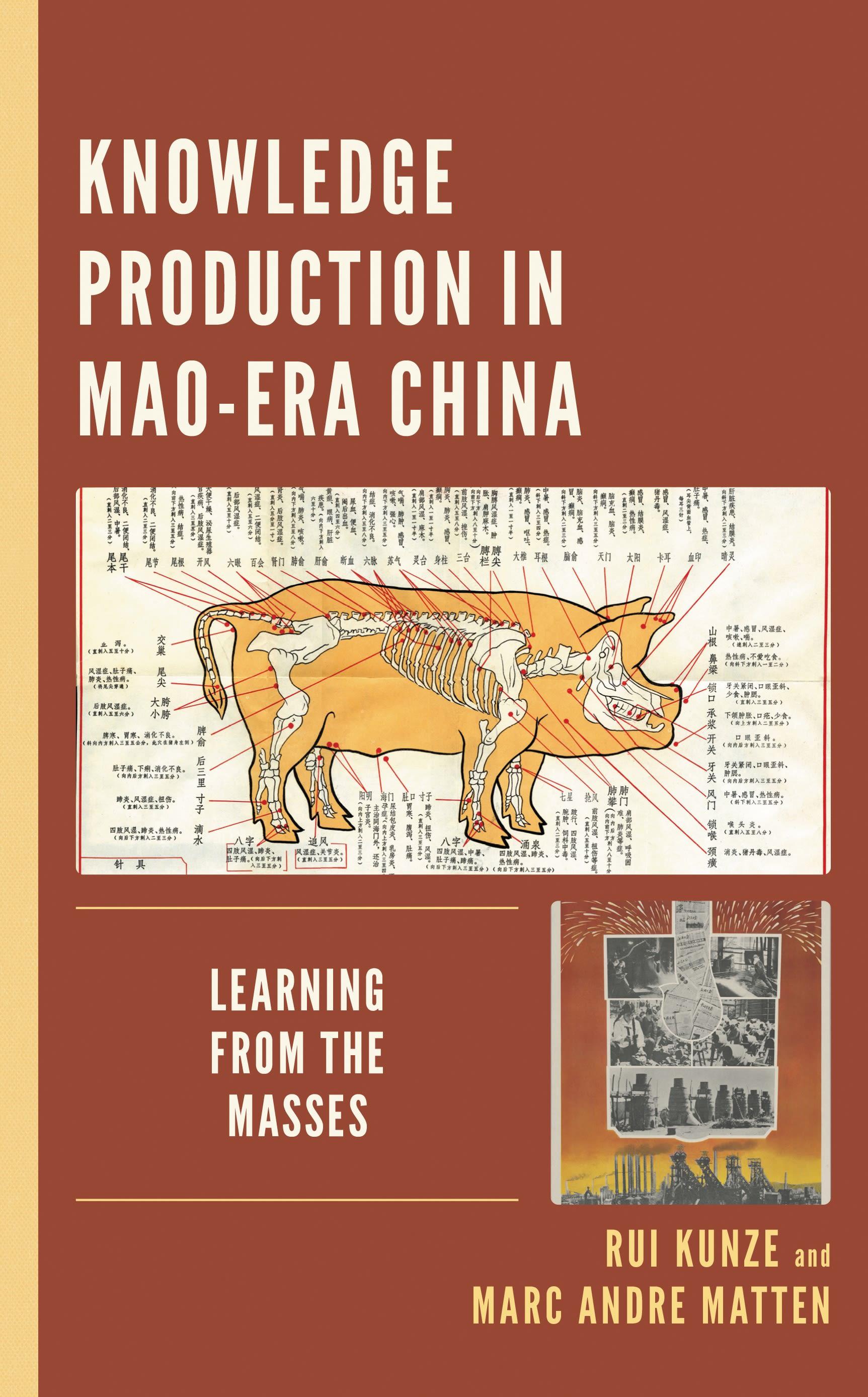
This book traces and analyzes the transformation of the public discourse of science and technology in Mao-era China. Based on extensive primary sources such as science dissemination materials and technical handbooks, as well as mass media products of the Great Leap Forward and the Cultural Revolution periods, this book delineates the emergence of a pragmatic approach to knowledge in society. To achieve the goal of fast modernization with limited financial, human, and material resources, the party-state accommodated Western and local, "modern" and "traditional" knowledges in the fields of agricultural mechanization, steel production and Chinese veterinary medicine. The case studies demonstrate that scientific knowledge production in the Mao-era included various social groups and was entangled with political and cultural issues. This reveals and explains the continuity of scientific thinking across the historical divides of 1949 and 1978, which has hitherto been underestimated.
Pay easily by card, Klarna, Apple Pay or Google Pay. Not happy? You always have a 14-day money-back guarantee. Read more in our terms. If you have any questions, email us at hello@memmo.org.
Memmo makes studying easier – wherever you are in the world. We bring your course books and smart study tools together in one place: summaries, quizzes, podcasts and flashcards. Plus Ted, your study buddy who answers anything you wonder. Over 50,000 students already study here – built to help you learn faster and stress less.