
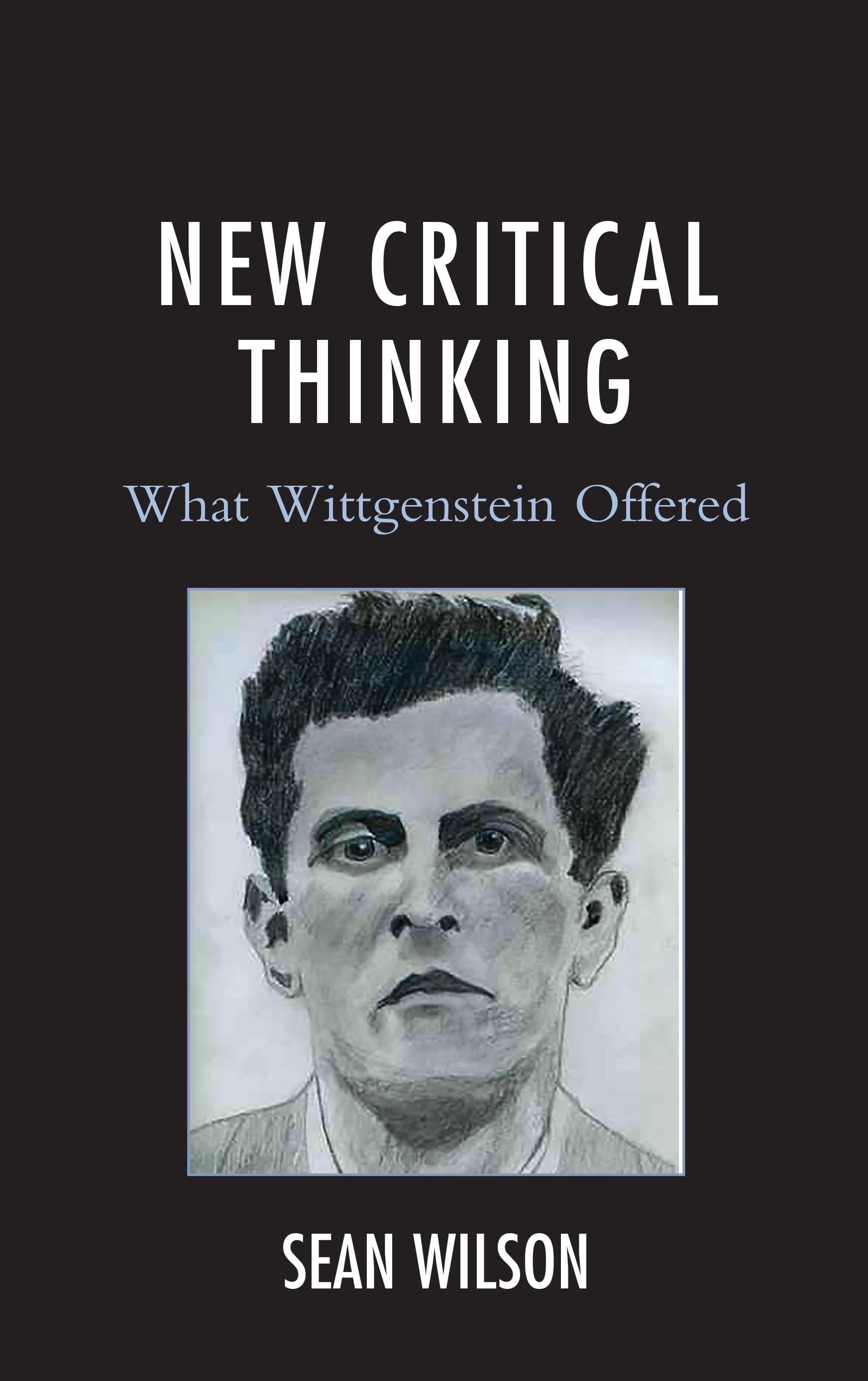
Ludwig Wittgenstein changed everything. To understand how, we need to understand what he did to the subject of critical reasoning.
Wittgenstein didn’t leave us “philosophy”; he left a pathway for a more perspicuous intellect. This was caused by a psychological condition that made him meticulous and hypersensitive. He could abnormally perceive three natural phenomena: (a) the social traits implicated in word use; (b) the task-functions signified in communication; and (c) the pictures that flash before the mind’s eye. With this unique acuity, he showed us how post-analytic thinking was to occur.
And this discovery changes everything. It revolutionizes how we must argue with one another and what we believe is “true.” Instead of focusing primarily upon premises or facts, we must point people to how their intellect behaves during a speech act—something called “therapy.” And this has radical implications for analysis, conceptual investigation, value judgments, political ideology, ethics and even religion.
This book is both an explanation of, and a blueprint for, the new critical thinking. Written for both a lay and special audience, and for all fields of study, it shows what Wittgenstein invented and how it affects us all.
Wittgenstein didn’t leave us “philosophy”; he left a pathway for a more perspicuous intellect. This was caused by a psychological condition that made him meticulous and hypersensitive. He could abnormally perceive three natural phenomena: (a) the social traits implicated in word use; (b) the task-functions signified in communication; and (c) the pictures that flash before the mind’s eye. With this unique acuity, he showed us how post-analytic thinking was to occur.
And this discovery changes everything. It revolutionizes how we must argue with one another and what we believe is “true.” Instead of focusing primarily upon premises or facts, we must point people to how their intellect behaves during a speech act—something called “therapy.” And this has radical implications for analysis, conceptual investigation, value judgments, political ideology, ethics and even religion.
This book is both an explanation of, and a blueprint for, the new critical thinking. Written for both a lay and special audience, and for all fields of study, it shows what Wittgenstein invented and how it affects us all.
Pay easily by card, Klarna, Apple Pay or Google Pay. Not happy? You always have a 14-day money-back guarantee. Read more in our terms. If you have any questions, email us at hello@memmo.org.
Memmo makes studying easier – wherever you are in the world. We bring your course books and smart study tools together in one place: summaries, quizzes, podcasts and flashcards. Plus Ted, your study buddy who answers anything you wonder. Over 50,000 students already study here – built to help you learn faster and stress less.