
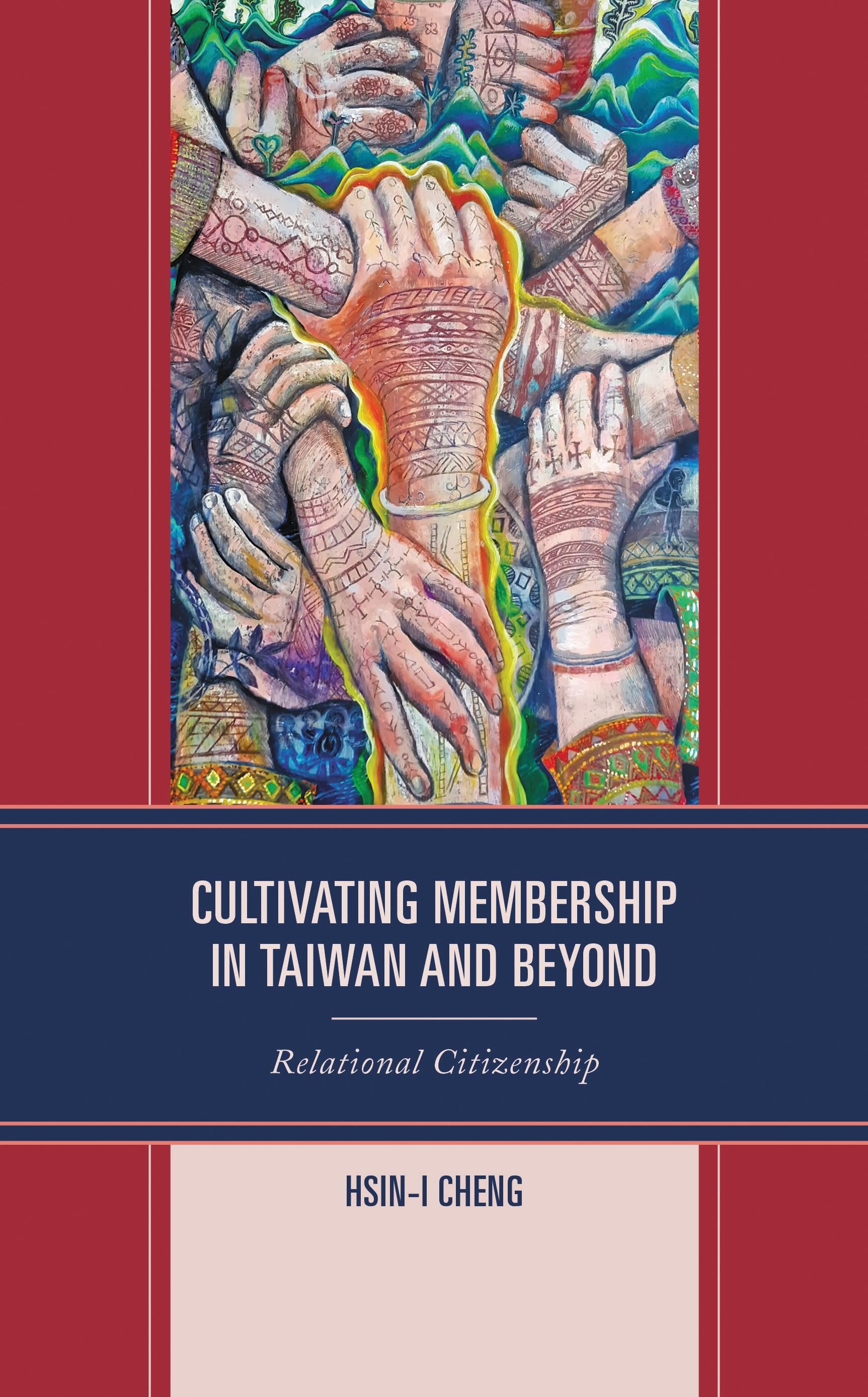
Citizenship is traditionally viewed as a legal status to be possessed. Cultivating Membership in Taiwan and Beyond: Relational Citizenship proposes the concept of relational citizenship to articulate the value-laden, interactive nature of belongingness. Hsin-I Cheng examines the role of relationality which produces and is a product of localized emotions. Cheng attends to particular histories and global trajectories embedded within uneven power relations. By focusing on Taiwan, a non-Western society with a tradition to adeptly attune to local experiences and those from various global influences, relational citizenship highlights the measures used to define and encourage interactions with newcomers. This book shows the multilayered communicative processes in which relations are gradually created, challenged, merged, disrupted, repaired, and solidified. Cheng further argues that this concept is not bound to nation-state geographic boundaries as relationality bleeds through national borders. Relational citizenship has the potential to move beyond the East vs. West epistemology to examine peoples’ lived realities wherein the sense of belonging is discursively accomplished, viscerally experienced, and publicly performed.
Pay easily by card, Klarna, Apple Pay or Google Pay. Not happy? You always have a 14-day money-back guarantee. Read more in our terms. If you have any questions, email us at hello@memmo.org.
Memmo makes studying easier – wherever you are in the world. We bring your course books and smart study tools together in one place: summaries, quizzes, podcasts and flashcards. Plus Ted, your study buddy who answers anything you wonder. Over 50,000 students already study here – built to help you learn faster and stress less.