
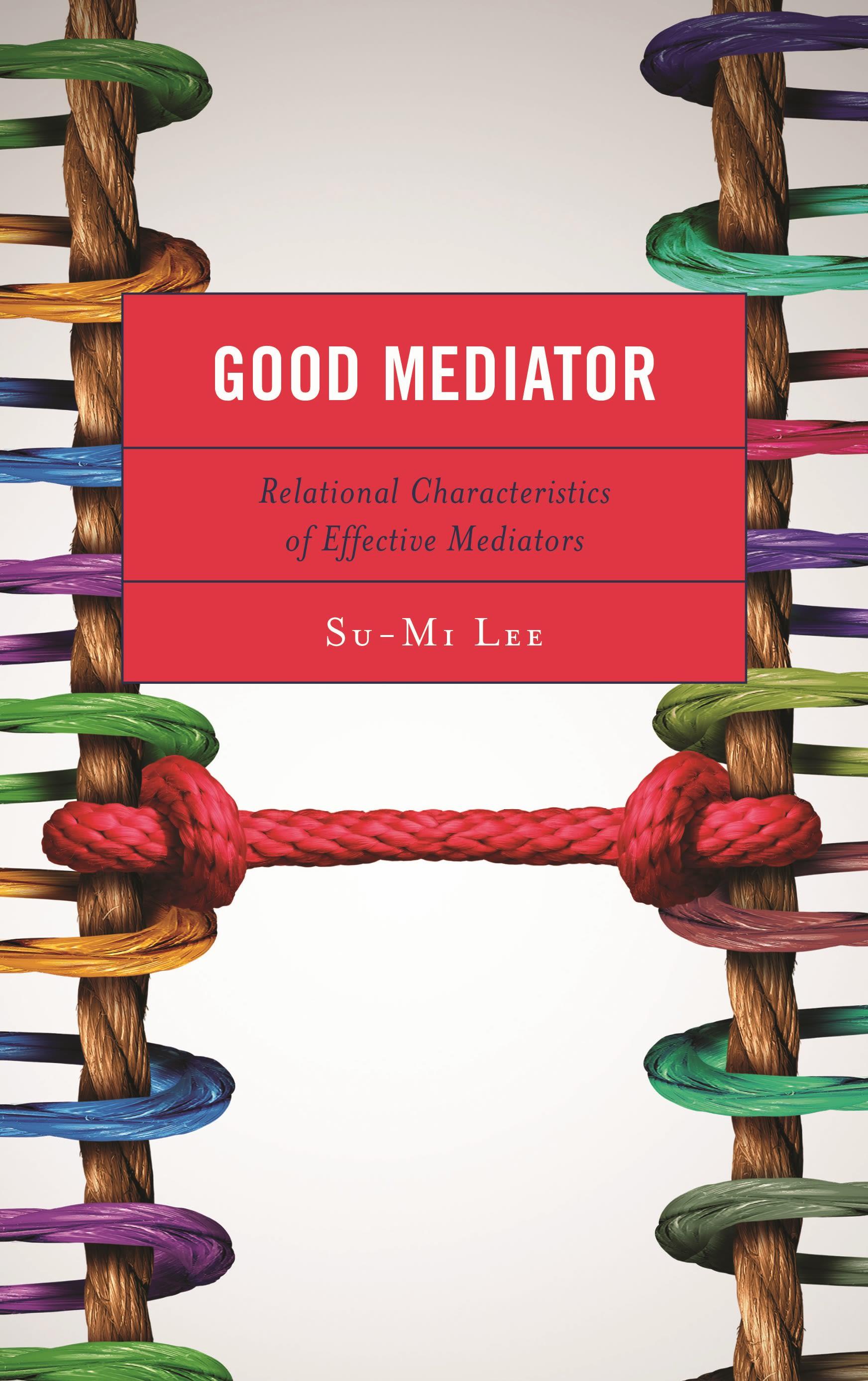
This book examines how mediators’ relational characteristics can alter the outcome of mediation in international militarized disputes. Rather than focusing on neutrality and bias that are rigorously discussed in the mediation literature, this book redefines the sources of effective mediators, impartiality and interest, and shows how such seemingly opposing characteristics of a mediator can lead to successful mediation through different channels, complementing each other. This book also uncovers the two dimensions of mediator trust, fairness and capacity. For mediation to be successful, disputants must trust that mediators are fair and capable of leading to successful mediation. The identification of these two sources is crucial as each of the two relational characteristics of mediators’ discussed above improves each dimension of the mediator trust. Moreover, this book explores how impartial and interested mediators are more or less effective in particular conflicts characterized by the nature of dispute, the nature of disputants’ relationships, and the nature of mediators. The book’s empirical analysis as well as case studies on the mediation cases led by the Philippines and Syria in the Borneo confrontation and Yemen dispute, respectively, demonstrate how the levels of mediator impartiality and mediator interest counterbalance each other in leading to mediation success.
Pages: 124
Category: Statsvetenskap & Politik
e-ISBN: 9781498580823
Shipping weight: 1.2 kg
Ships in: 1-2 days
Pay easily by card, Klarna, Apple Pay or Google Pay. Not happy? You always have a 14-day money-back guarantee. Read more in our terms. If you have any questions, email us at hello@memmo.org.
Memmo makes studying easier – wherever you are in the world. We bring your course books and smart study tools together in one place: summaries, quizzes, podcasts and flashcards. Plus Ted, your study buddy who answers anything you wonder. Over 50,000 students already study here – built to help you learn faster and stress less.