
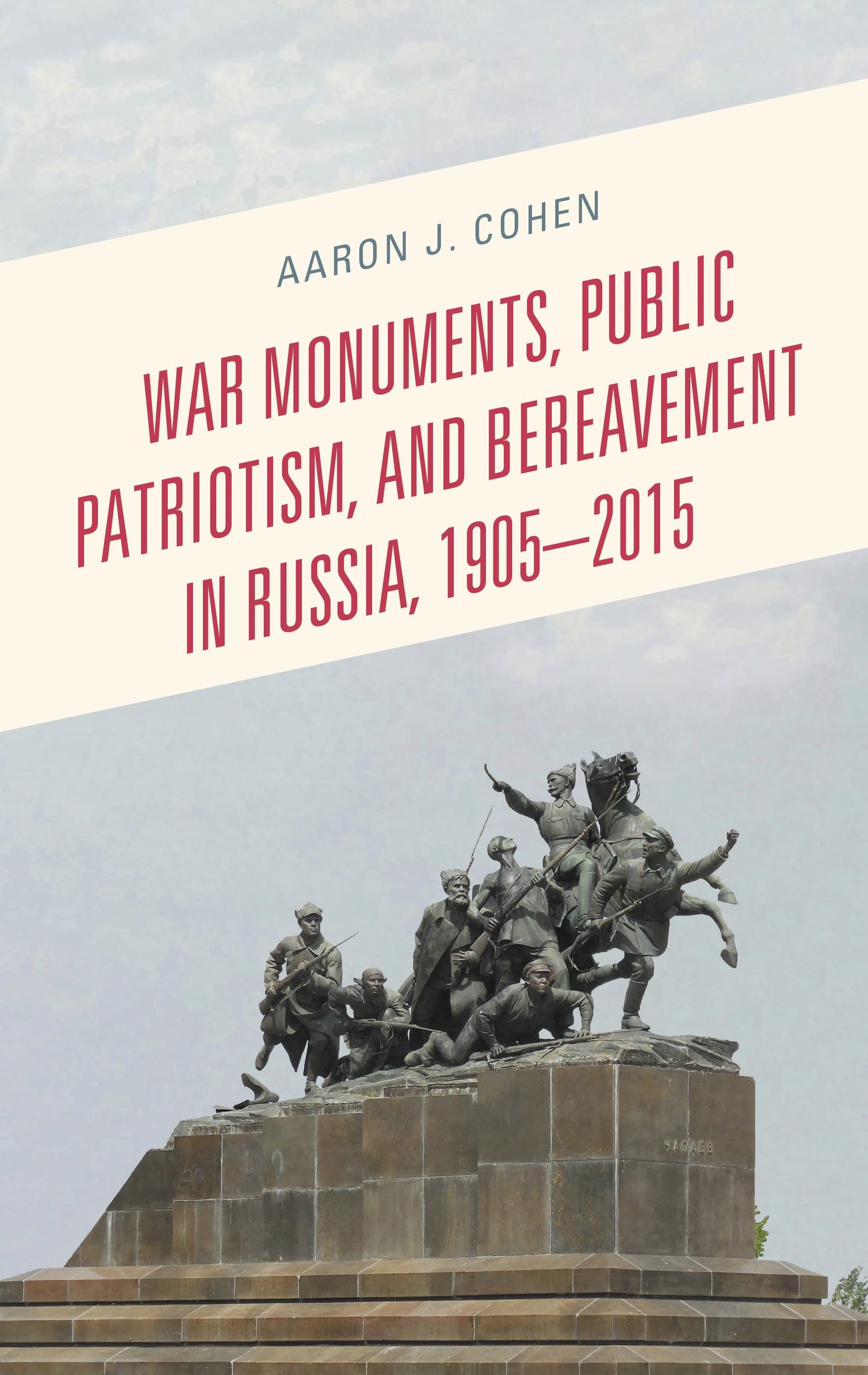
This study analyzes how public bereavement became cemented into the broad geography of Russian culture with the appearance of experiential and local memorials in the 1960s after a half century of instability, contestation, and absence. The author shows how monument builders responded to a need from the population to share an accessible war experience apart from the exclusive Bolshevik memorial culture. He argues that this development of war commemoration has amplified the role of war hero memorialization as an anchor of public stability and social solidarity in Putin’s Russia, where there is little consensus about the past, present, or future.
Pay easily by card, Klarna, Apple Pay or Google Pay. Not happy? You always have a 14-day money-back guarantee. Read more in our terms. If you have any questions, email us at hello@memmo.org.
Memmo makes studying easier – wherever you are in the world. We bring your course books and smart study tools together in one place: summaries, quizzes, podcasts and flashcards. Plus Ted, your study buddy who answers anything you wonder. Over 50,000 students already study here – built to help you learn faster and stress less.