
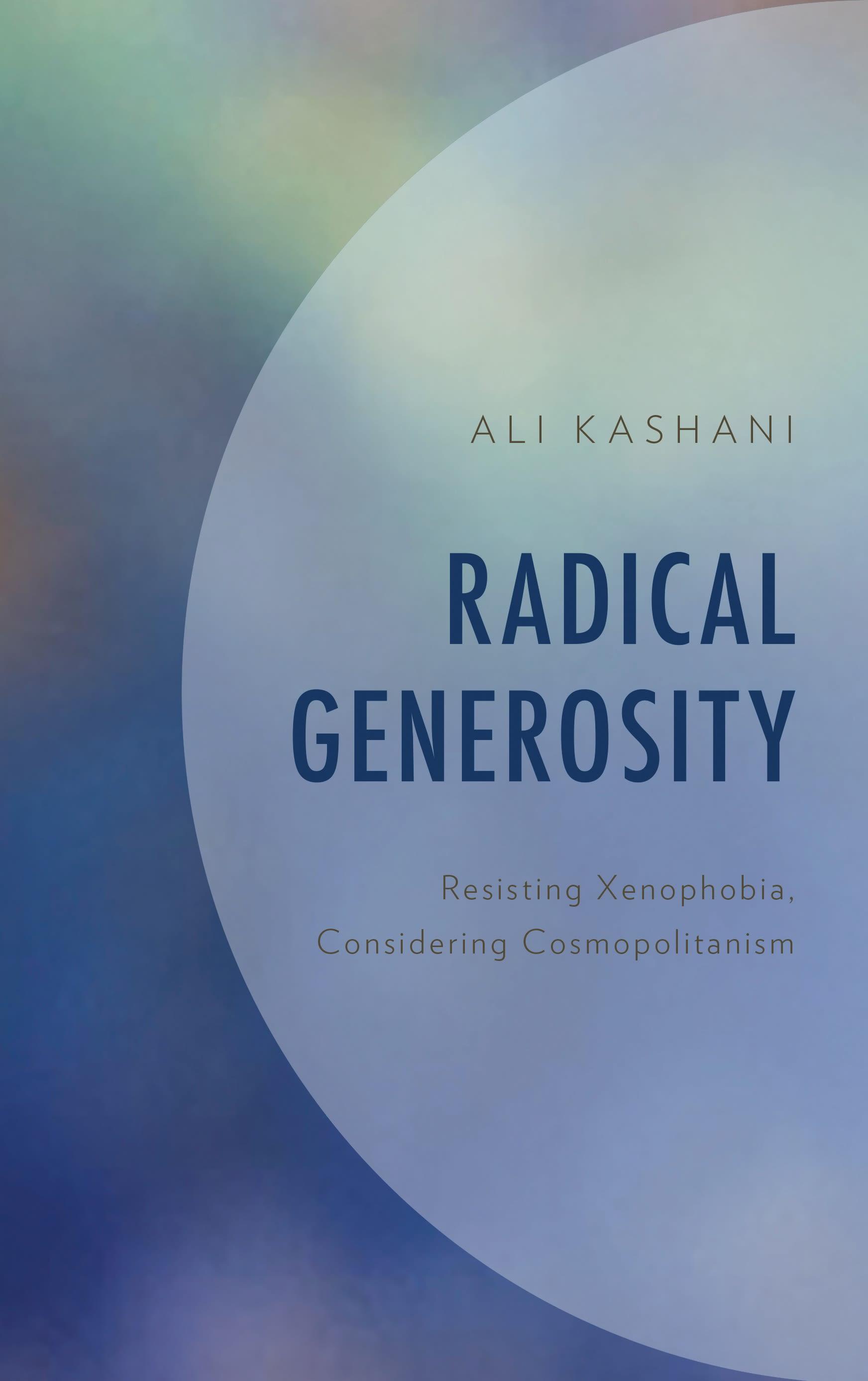
In this bold and original work, Ali Kashani argues that the rise of the far right political
discourse, xenophobia, and the current immigration and refugee crisis indicate that
existing values, norms, and practices are inadequate. Thus, it is vital to critique and
resist existing values and norms that produce ultra-nationalistic and xenophobic
practices. Thus, radical generosity is crucial and necessary. The concept of radical
generosity opens the possibility for the transformation of ethical and political practices
and a move toward cosmopolitanism.
Kashani develops the concept of radical generosity as a social and political practice
and as an original grounding for cosmopolitanism, as both an ethical and political
transformative practice-and as a critique to resist the rise of the far right political
discourse and xenophobia. Radical Generosity suggests, a new way to bridge
ethical and political practices and moves beyond ethical subjectivity by Derrida and
Levinas and draws inspiration from the Stoics, Aristotle’s virtue ethics , radicalized by
Nietzsche’s concept of magnanimity with anarchist tendencies,and Marx’s idea of
praxis as social transformative practice.
discourse, xenophobia, and the current immigration and refugee crisis indicate that
existing values, norms, and practices are inadequate. Thus, it is vital to critique and
resist existing values and norms that produce ultra-nationalistic and xenophobic
practices. Thus, radical generosity is crucial and necessary. The concept of radical
generosity opens the possibility for the transformation of ethical and political practices
and a move toward cosmopolitanism.
Kashani develops the concept of radical generosity as a social and political practice
and as an original grounding for cosmopolitanism, as both an ethical and political
transformative practice-and as a critique to resist the rise of the far right political
discourse and xenophobia. Radical Generosity suggests, a new way to bridge
ethical and political practices and moves beyond ethical subjectivity by Derrida and
Levinas and draws inspiration from the Stoics, Aristotle’s virtue ethics , radicalized by
Nietzsche’s concept of magnanimity with anarchist tendencies,and Marx’s idea of
praxis as social transformative practice.
Pay easily by card, Klarna, Apple Pay or Google Pay. Not happy? You always have a 14-day money-back guarantee. Read more in our terms. If you have any questions, email us at hello@memmo.org.
Memmo makes studying easier – wherever you are in the world. We bring your course books and smart study tools together in one place: summaries, quizzes, podcasts and flashcards. Plus Ted, your study buddy who answers anything you wonder. Over 50,000 students already study here – built to help you learn faster and stress less.