
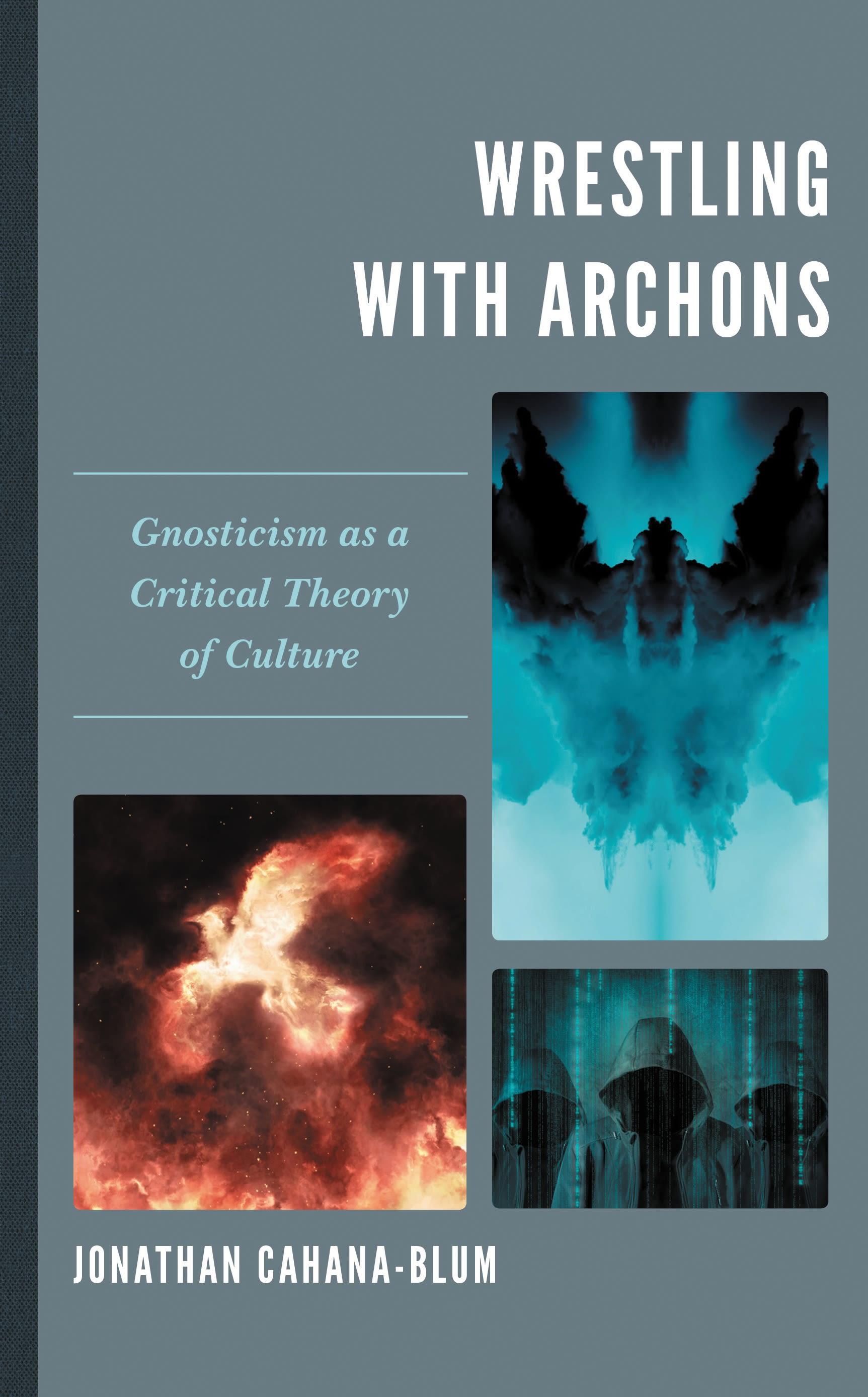
This book demonstrates that ancient Christian Gnosticism was an ancient form of cultural criticism in a mythological garb. It establishes that, much like modern forms of critical theory, ancient Gnosticism was set on deconstructing mainstream discourses and cultural premises. Strains of critical theory dealt with include the Frankfurt School, queer theory, and poststructural philosophy. The book documents how in both ancient Gnosticism and modern critical theories issues that used to serve as premises for discussion or as concepts relegated to the realms of the “natural” and the “given” in their respective historical contexts, are transformed into objects of contention. The main aim of this book is to salvage the historical category of Gnosticism from its present scholarly disavowal, if only because Gnosticism, when read as a cultural, and not only a religious phenomenon, presents us an ancient form of culture criticism which would be hard to parallel until (post) modernity. While Hans Jonas remarked many years ago that “something in Gnosticism knocks at the door of our Being and of our twentieth-century Being in particular,” by the 21st century global world this something has already entered and lives with us. We can thus still benefit from another perspective, even if it comes from Mediterranean people who lived almost 2,000 years ago.
Pay easily by card, Klarna, Apple Pay or Google Pay. Not happy? You always have a 14-day money-back guarantee. Read more in our terms. If you have any questions, email us at hello@memmo.org.
Memmo makes studying easier – wherever you are in the world. We bring your course books and smart study tools together in one place: summaries, quizzes, podcasts and flashcards. Plus Ted, your study buddy who answers anything you wonder. Over 50,000 students already study here – built to help you learn faster and stress less.