
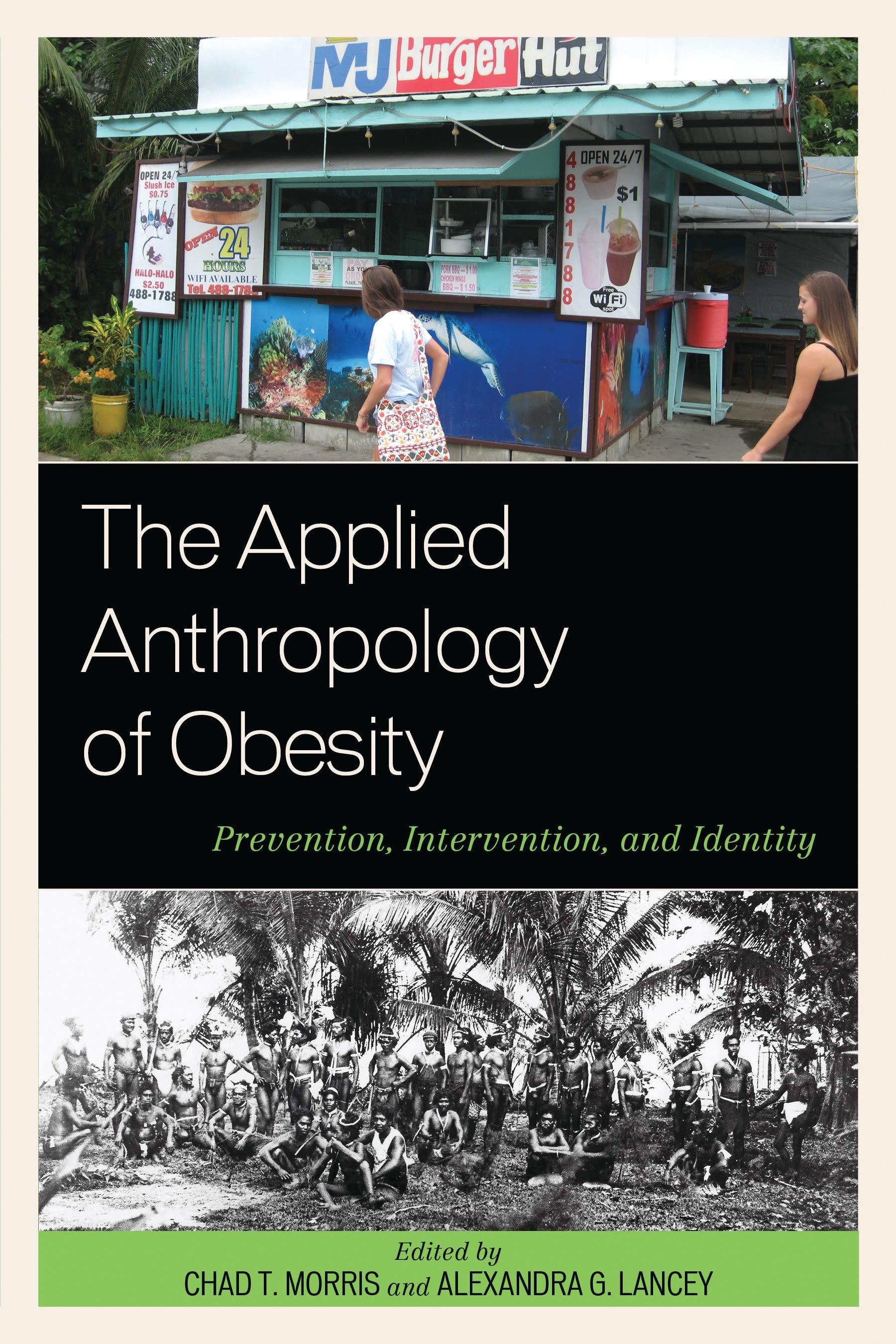
The increasing global prevalence of obesity and nutrition-based non-communicable disease has many causes, including food availability; social norms as evidenced in local foodways; genetic predisposition; economic circumstance; cultural variation in norms surrounding body composition; and policies affecting production, distribution, and consumption of food locally and globally. The Applied Anthropology of Obesity:Prevention, Intervention, and Identity advances understanding of the many cultural factors underlying increased global obesity prevalence. This collection of chapters showcase the value of anthropology’s holistic approach to human interaction by exploring how human identity associated with obesity/overweight is affected by cultural norms, policy decisions, and perceptions of cultural change. They also demonstrate best practices for the application of anthropological skillsets to develop culturally-appropriate nutritional behavior change across multiple levels of analysis, from local programming to policy decisions at local and national levels.
In addition to soliciting explanatory models used by respondents in different cultures and situations, anthropologists find themselves on the front lines of public health and policy attempts at affecting behavioral change. As such, this applied-focused volume will be of utility to scholars and practitioners in applied and medical anthropology, as well as to scholars and professionals in public health and other disciplines. The volume’s authors are professional and student anthropologists from both public health practice and academia. Chapters are geographically diverse, containing lessons learned from attempts to combat obesity by anthropologically focusing on culture, history, economy, and power relative to obesity causation, prevention, and intervention. The Applied Anthropology of Obesity: Prevention, Intervention, and Identity candidly provides rich information about social identity, obesity, and treatment.
In addition to soliciting explanatory models used by respondents in different cultures and situations, anthropologists find themselves on the front lines of public health and policy attempts at affecting behavioral change. As such, this applied-focused volume will be of utility to scholars and practitioners in applied and medical anthropology, as well as to scholars and professionals in public health and other disciplines. The volume’s authors are professional and student anthropologists from both public health practice and academia. Chapters are geographically diverse, containing lessons learned from attempts to combat obesity by anthropologically focusing on culture, history, economy, and power relative to obesity causation, prevention, and intervention. The Applied Anthropology of Obesity: Prevention, Intervention, and Identity candidly provides rich information about social identity, obesity, and treatment.
Pay easily by card, Klarna, Apple Pay or Google Pay. Not happy? You always have a 14-day money-back guarantee. Read more in our terms. If you have any questions, email us at hello@memmo.org.
Memmo makes studying easier – wherever you are in the world. We bring your course books and smart study tools together in one place: summaries, quizzes, podcasts and flashcards. Plus Ted, your study buddy who answers anything you wonder. Over 50,000 students already study here – built to help you learn faster and stress less.