
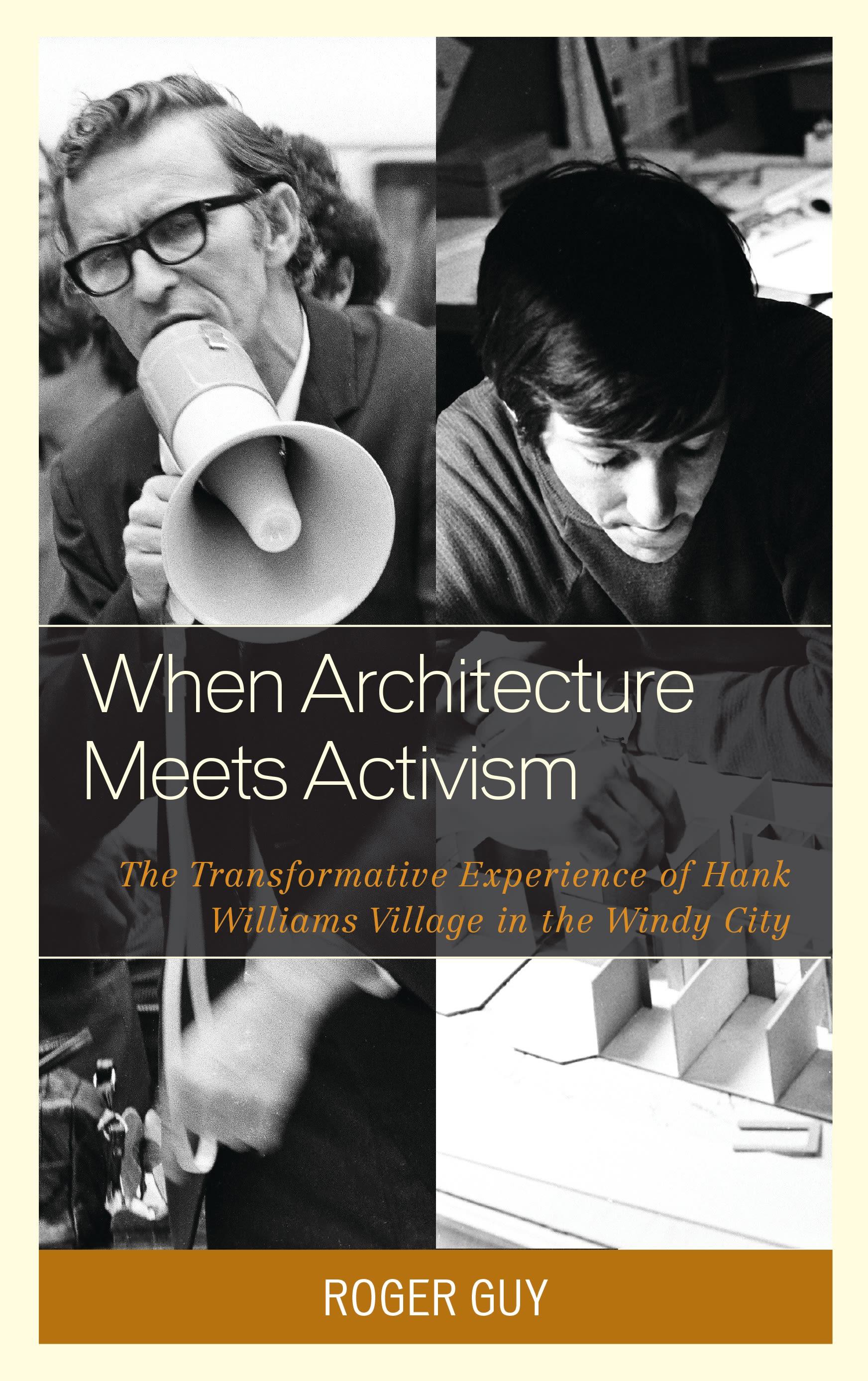
This social history and community study documents the events surrounding the attempt by community members, activists, and VISTA architects to resist the planned construction of a community college in the neighborhood of Uptown. The planner and architect are seldom envisioned as advocates for the urban poor. However, during the 1960s, New Left planners and architects began working with marginalized groups in cities to design alternatives to urban renewal projects. This was part of a national advocacy planning movement that was taking shape in urban areas like Chicago. Inspired by critics of the Rational-comprehensive model of planning, advocacy planners opposed the imposition of projects on neighborhoods often with no collaboration from residents. One example of this resistance was Hank Williams Village—a multi-purpose housing and commercial redevelopment project modeled after a southern town. The Village was an attempt to prevent the displacement of thousands of southern whites by the planned construction of a community college in Chicago’s Uptown neighborhood. While the plan for the Village failed to win support of the local urban renewal board, the work performed by the young VISTA architects became instrumental in their subsequent career trajectories and thus served as formative personal and professional experience.
Pay easily by card, Klarna, Apple Pay or Google Pay. Not happy? You always have a 14-day money-back guarantee. Read more in our terms. If you have any questions, email us at hello@memmo.org.
Memmo makes studying easier – wherever you are in the world. We bring your course books and smart study tools together in one place: summaries, quizzes, podcasts and flashcards. Plus Ted, your study buddy who answers anything you wonder. Over 75,000 students already study here – built to help you learn faster and stress less.