
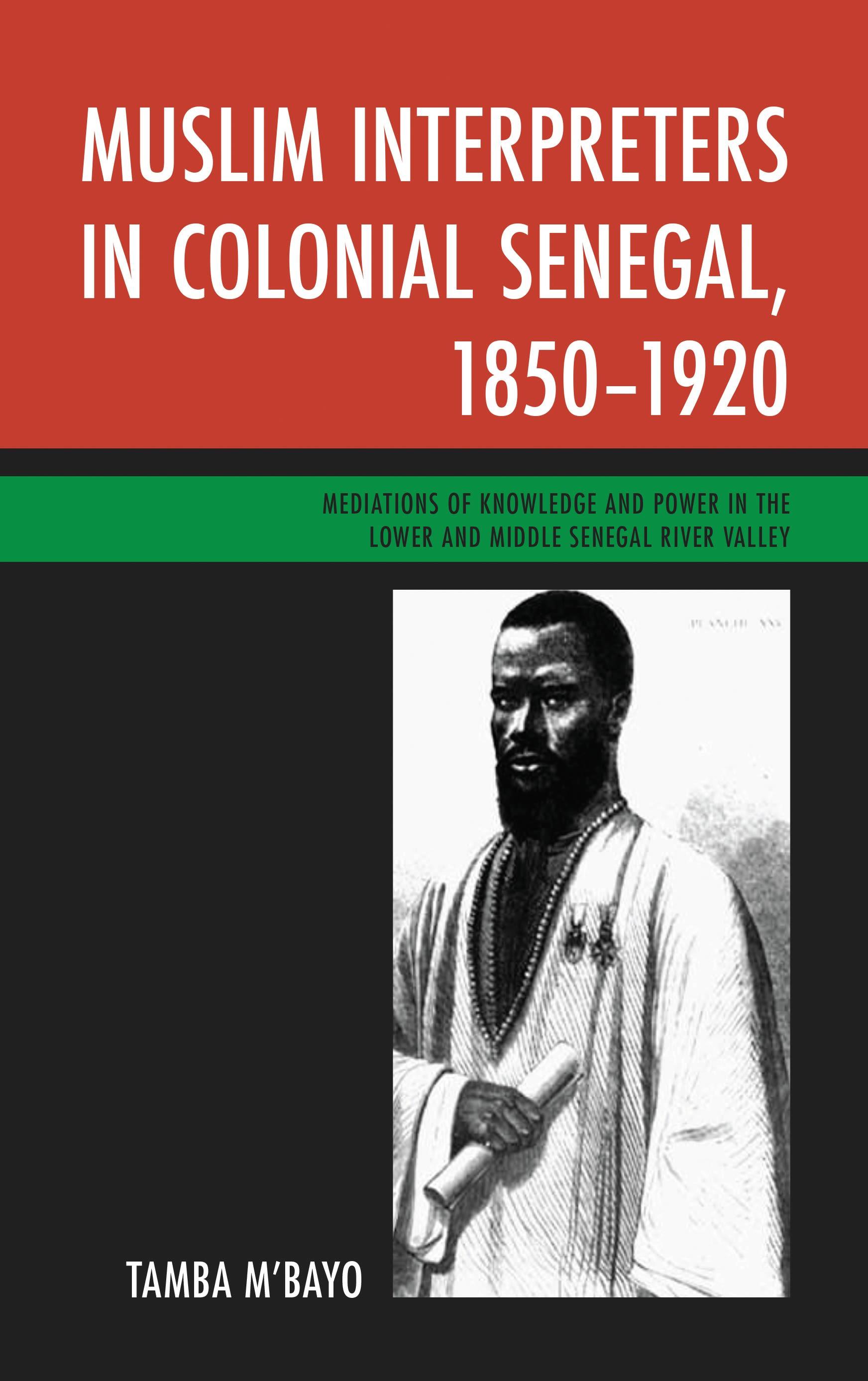
This book investigates the lives and careers of Muslim African interpreters employed by the French colonial administration in Saint Louis, Senegal, from the 1850s to the early 1920s. It focuses on the lower and middle Senegal River valley in northern Senegal, where the French concentrated most of their activities in West Africa during the nineteenth century. The Muslim interpreters performed multiple roles as mediators, military and expeditionary guides, emissaries, diplomatic hosts, and treaty negotiators. As cultural and political powerbrokers that straddled the colonial divide, they were indispensable for French officials in their relations with African rulers and the local population. As such, a central concern of this book is the paradoxical and often contradictory roles the interpreters played in mediating between the French and Africans. This book argues that the Muslim interpreters exemplified a paradox: while serving the French administration they pursued their own interests and defended those of their local communities. In doing so, the interpreters strove to maintain some degree of autonomy. Moreover, this book contends that the interpreters occupied a vantage position as mediators to influence the construction of colonial discourse and knowledge, because they channeled the flow of information between the French and the African population. Thus, Muslim interpreters had the capacity to shape power relations between the colonizers and the colonized in Senegal.
Pay easily by card, Klarna, Apple Pay or Google Pay. Not happy? You always have a 14-day money-back guarantee. Read more in our terms. If you have any questions, email us at hello@memmo.org.
Memmo makes studying easier – wherever you are in the world. We bring your course books and smart study tools together in one place: summaries, quizzes, podcasts and flashcards. Plus Ted, your study buddy who answers anything you wonder. Over 50,000 students already study here – built to help you learn faster and stress less.