
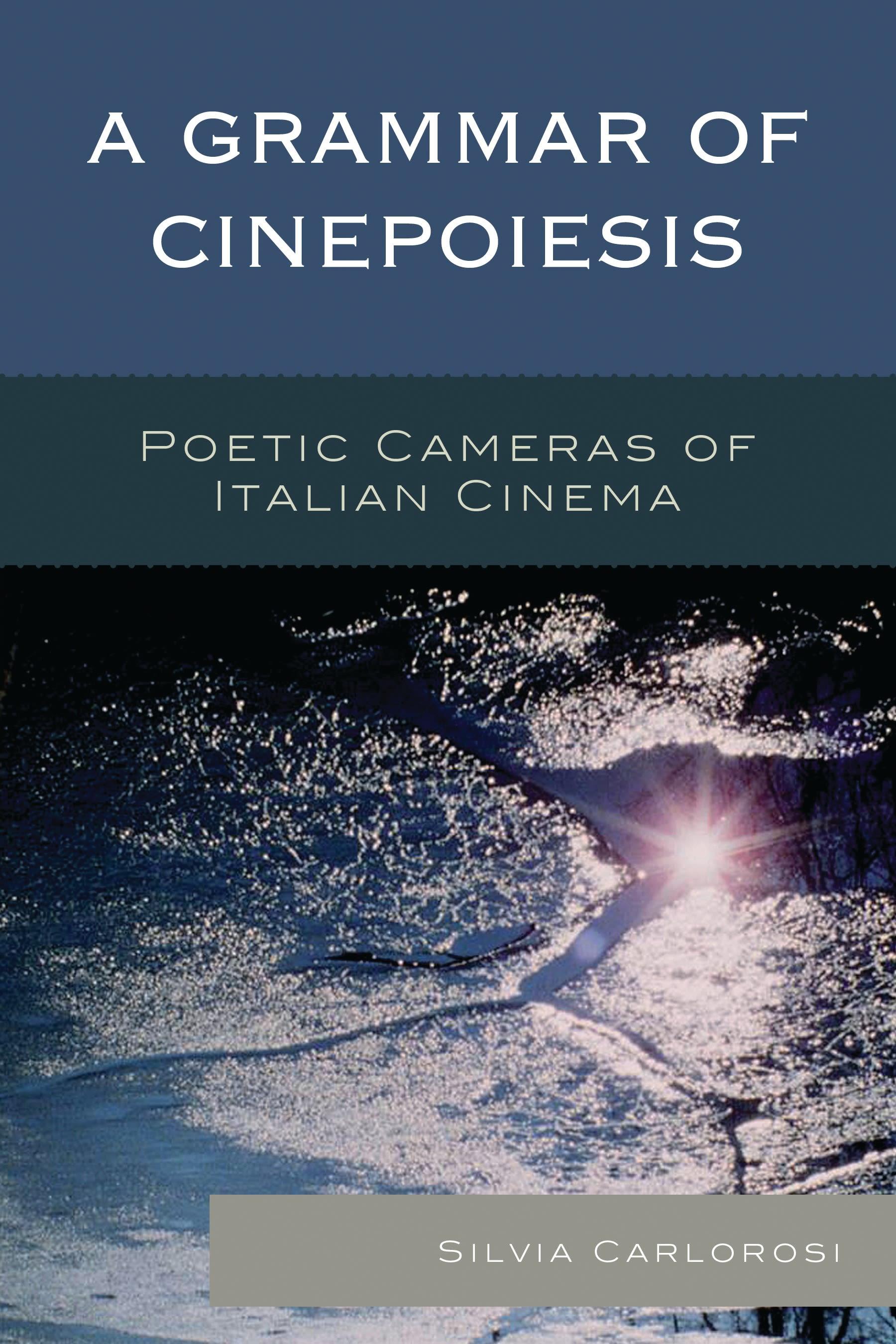
Cinepoiesis, or cinema of poetry, strikes us as a strange combination, a phrase we initially read as an oxymoron. Poetry is often associated with the abstract and the evocative, while cinema suggests the concrete and the visible. Yet, various visual media use strong and often contradictory images, whose symbolic force and visual impact stimulate the public’s attention. Abstract and emblematic images surround us, and the poetic nature of these images lies in the way they speak beyond their apparent limits and stimulate connections on a subjective level. A prosaic world like the contemporary one, though, no longer seems to hold a place for poetry. We are inundated by the need to tell and to be told, the need to build our lives through narratives. But it is precisely here, in this contemporary landscape, that the cinema of poetry attempts to establish a space for itself, exchanging the productive and industrial apparatus for the poetic stimulus of a sensory experience. A Grammar of Cinepoiesis is a theoretical and practical guide to the cinema of poetry, to its tools and forms. It examines how the language of a “cinema of poetry” works both in its theoretical foundations and in its modes of representation, and how it takes shape in the exemplary practice of Italian authors such as Pier Paolo Pasolini, Michelangelo Antonioni, Federico Fellini, and the more recent Franco Piavoli and Matteo Garrone.
Pages: 222
Category: Film- & Medievetenskap
e-ISBN: 9781498509855
Shipping weight: 1.2 kg
Ships in: 1-2 days
Pay easily by card, Klarna, Apple Pay or Google Pay. Not happy? You always have a 14-day money-back guarantee. Read more in our terms. If you have any questions, email us at hello@memmo.org.
Memmo makes studying easier – wherever you are in the world. We bring your course books and smart study tools together in one place: summaries, quizzes, podcasts and flashcards. Plus Ted, your study buddy who answers anything you wonder. Over 50,000 students already study here – built to help you learn faster and stress less.