
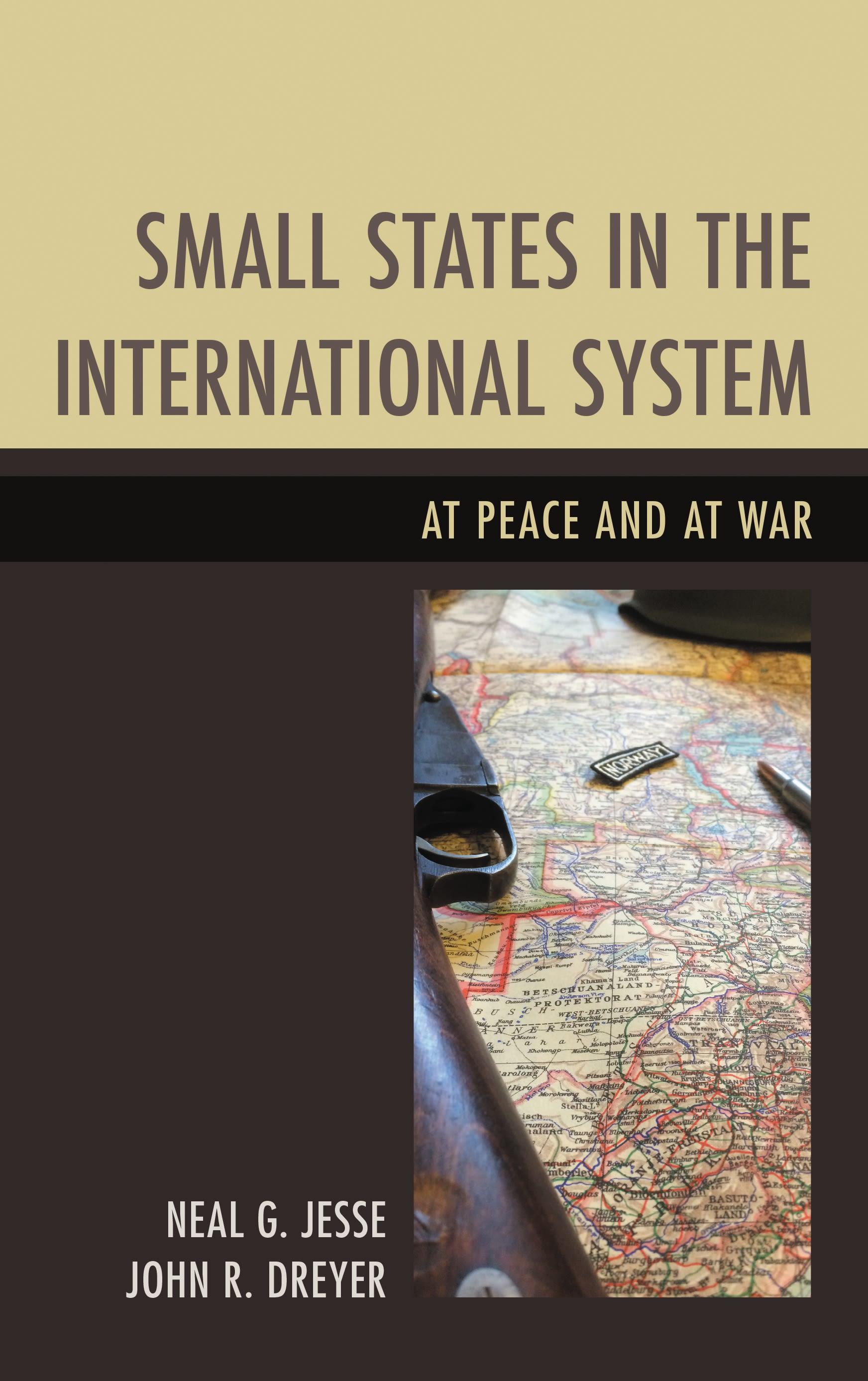
Small States in the International System addresses the little understood foreign policy choices of small states. It outlines a theoretical perspective of small states that starts from the assumption that small states are not just large states writ small. In essence, small states behave differently from larger and more powerful states. As such, this book compares three theories of foreign policy choice: realism (and its emphasis on structural factors), domestic factors, and social constructivism (emphasizing norms and identity) across seven focused case studies from around the world in the 20th Century. Through an examination of the foreign policy choices of Switzerland, Ireland, Finland, Norway, the Netherlands, Belgium, Ethiopia, Somalia, Vietnam, Bolivia and Paraguay, this book concludes that realist theories built on great power politics cannot adequately explain small state behavior in most instances. When small states are threatened by larger, belligerent states, the small state behaves along the predictions of social constructivist theory; when small states threaten each other, they behave along realist predictions.
Pay easily by card, Klarna, Apple Pay or Google Pay. Not happy? You always have a 14-day money-back guarantee. Read more in our terms. If you have any questions, email us at hello@memmo.org.
Memmo makes studying easier – wherever you are in the world. We bring your course books and smart study tools together in one place: summaries, quizzes, podcasts and flashcards. Plus Ted, your study buddy who answers anything you wonder. Over 50,000 students already study here – built to help you learn faster and stress less.