
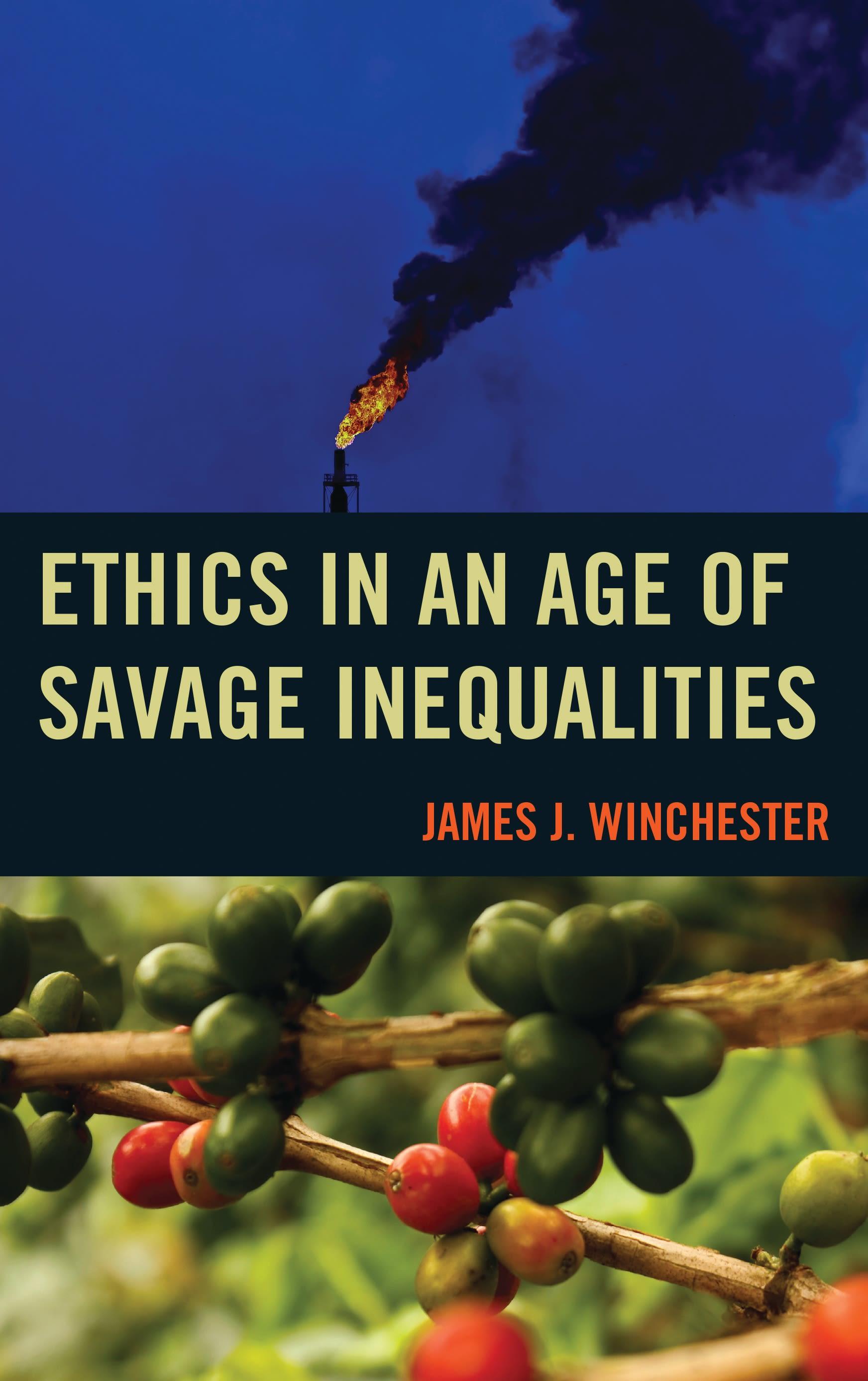
Within the United States alone, almost fifteen percent of the population lives in poverty. Ethics in an Age of Savage Inequalities investigates what moral obligations the middle class might have to the poor. While there are no simple ethical prescriptions, the fact remains that many of us afford small luxuries while others in the world struggle to live on less than a dollar a day. James J. Winchester suggests that we can and should give not only charity, but restitution to the poor. Looking at extraction of minerals and the plight of service workers in the United States among many other things, this book demonstrates how the middle class benefits from the exploitation of the poor and harms the environment in ways that threaten people in poverty. Winchester argues that now is the time to take political action to reduce the savage inequalities in this world. Of interest to anyone involved in ethics, social justice, sociology, and even political science, Ethics in an Age of Savage Inequalities explores the idea that money is only a small part of what we owe to the poor.
Pay easily by card, Klarna, Apple Pay or Google Pay. Not happy? You always have a 14-day money-back guarantee. Read more in our terms. If you have any questions, email us at hello@memmo.org.
Memmo makes studying easier – wherever you are in the world. We bring your course books and smart study tools together in one place: summaries, quizzes, podcasts and flashcards. Plus Ted, your study buddy who answers anything you wonder. Over 50,000 students already study here – built to help you learn faster and stress less.