
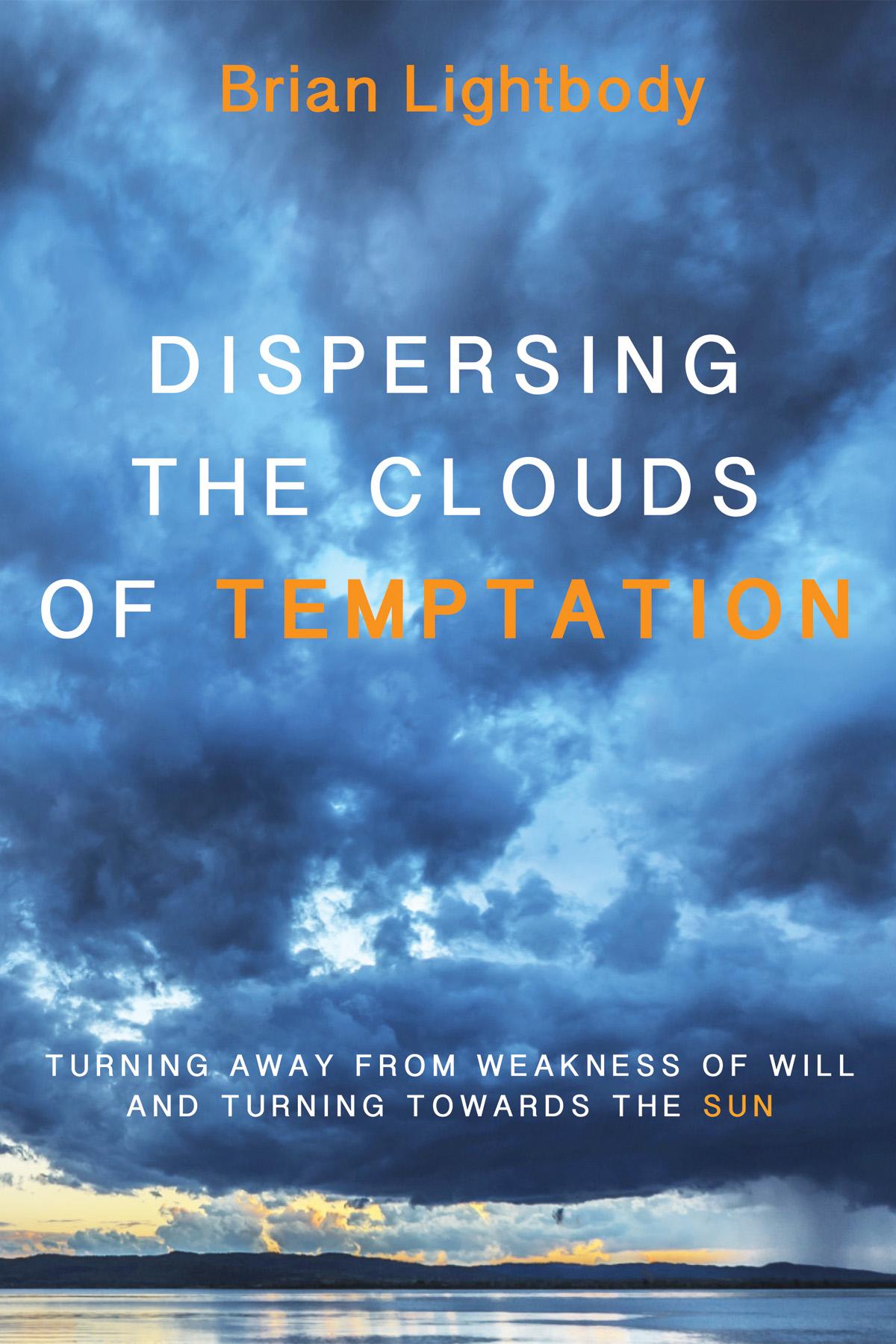
In Romans 7:14-25, Paul declares, "For I do not do the good I want, but the evil I do not want, is what I do" (KJV). St. Paul's statement is a universal truth for all human beings; humans--whether Christians, Jews, Muslims, Buddhists, Hindus, or atheists--are prone to committing free actions that are not "good." Furthermore, and irrespective of how we might construe the notion of "good" (whether as acting in accordance with some religious or spiritual precept or simply doing what is in one's best interest), we often knowingly and freely choose actions that may, or in fact do, harm us. There is a name given to such actions. We call them "weak-willed."
"Weakness of will," or akrasia, has perplexed philosophers, theologians, and laypersons alike for centuries. This book reveals why the idea has caused so much bafflement and consternation for so many. The main thrust of the work, however, is to illuminate and inspire: Lightbody seeks to demonstrate, concretely, how and why we are weak-willed. By extracting an "alchemical touchstone" from Plato's middle period philosophy, Lightbody, in addition, reveals how we may transmute harmful appetites into life-edifying passions.
Pay easily by card, Klarna, Apple Pay or Google Pay. Not happy? You always have a 14-day money-back guarantee. Read more in our terms. If you have any questions, email us at hello@memmo.org.
Memmo makes studying easier – wherever you are in the world. We bring your course books and smart study tools together in one place: summaries, quizzes, podcasts and flashcards. Plus Ted, your study buddy who answers anything you wonder. Over 50,000 students already study here – built to help you learn faster and stress less.
You might also like
Buy the book0