
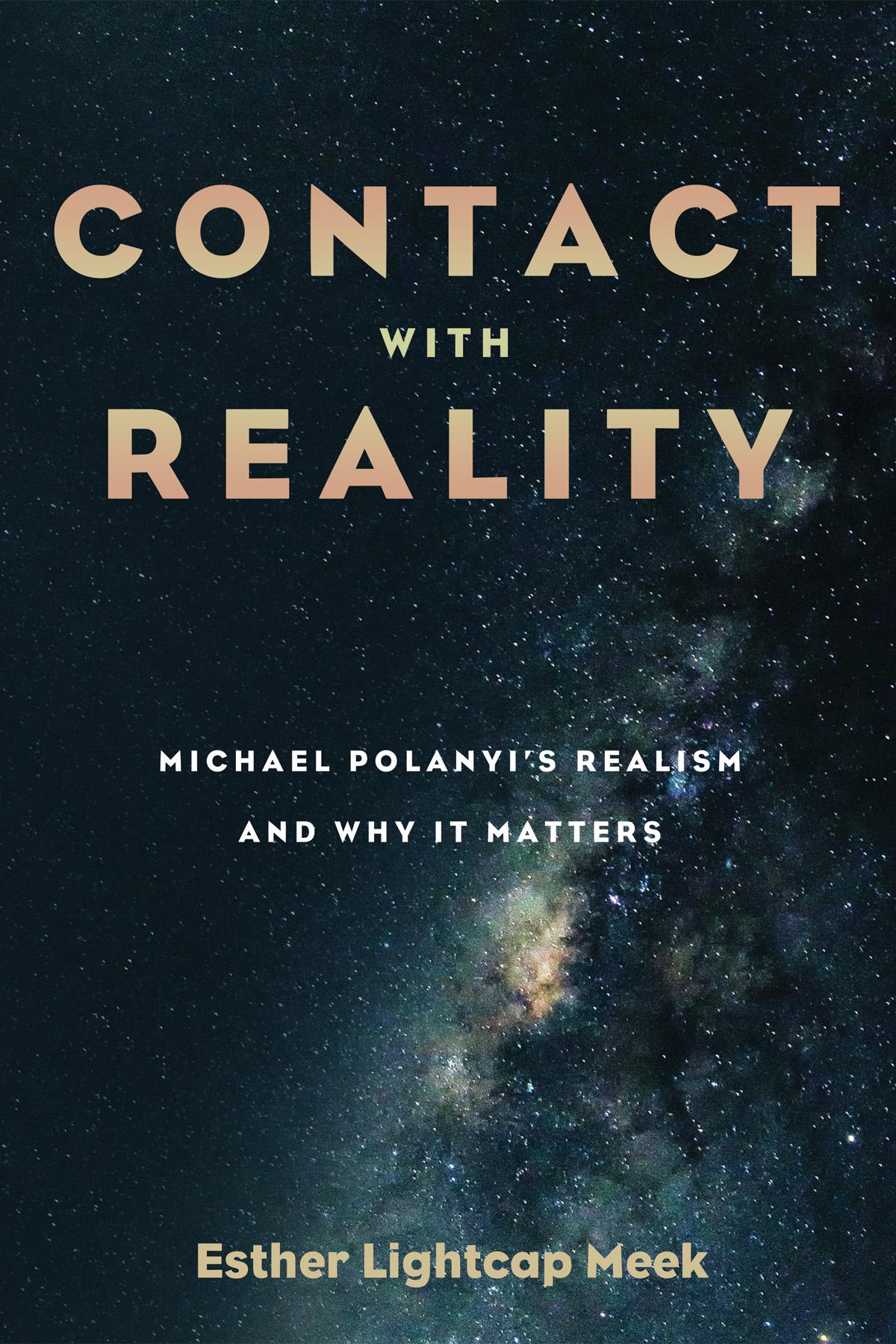
Is knowledge discovered, or just invented? Can we ever get outside ourselves to know how reality is in itself, independent of us? Philosophical realism raises the question whether in our knowing we connect with an independent reality--or only connect with our own mental constructs. Far from being a silly parlor game, the question impacts our lives concretely and deeply. Modern Western culture has been infected with antirealism and the doubt, skepticism, subjectivism, relativism, and atheism that attends it--not to mention distrust and arbitrary (mis)use of reality.
Premier scientist-turned-philosopher Michael Polanyi stepped aside from research to offer an innovative account of knowing that takes its cue from how discovery actually happens. Polanyi defied the antirealism of the twentieth century, sounding a ringing note of hope in his repeated claim that in discovery, we know we have made contact with reality because "we have a sense of the possibility of indeterminate future manifestations." And that sense marks contact with reality, because it is the way reality is: abundant, generous, and fraught with as-yet-unnameable possibilities.
This book examines that distinctive claim, contrasting it to the wider philosophical discussions regarding realism and antirealism in the recent decades. It shows why Polanyi's outlook is superior, and why that matters, not just to scientific discoverers, but to us all.
Premier scientist-turned-philosopher Michael Polanyi stepped aside from research to offer an innovative account of knowing that takes its cue from how discovery actually happens. Polanyi defied the antirealism of the twentieth century, sounding a ringing note of hope in his repeated claim that in discovery, we know we have made contact with reality because "we have a sense of the possibility of indeterminate future manifestations." And that sense marks contact with reality, because it is the way reality is: abundant, generous, and fraught with as-yet-unnameable possibilities.
This book examines that distinctive claim, contrasting it to the wider philosophical discussions regarding realism and antirealism in the recent decades. It shows why Polanyi's outlook is superior, and why that matters, not just to scientific discoverers, but to us all.
Pages: 320
Category: Vetenskapsteori och forskningsmetod
e-ISBN: 9781498239844
Shipping weight: 1.2 kg
Ships in: 1-2 days
Pay easily by card, Klarna, Apple Pay or Google Pay. Not happy? You always have a 14-day money-back guarantee. Read more in our terms. If you have any questions, email us at hello@memmo.org.
Memmo makes studying easier – wherever you are in the world. We bring your course books and smart study tools together in one place: summaries, quizzes, podcasts and flashcards. Plus Ted, your study buddy who answers anything you wonder. Over 50,000 students already study here – built to help you learn faster and stress less.
You might also like
Buy the book0