
Contributions by Franz Andres Morrissey, Mat Callahan, Suzanne G. Cusick, James E. Dillard, Steven Garabedian, Jim Rogers, Elissa Stroman, Britta Sweers, and Dick Weissman
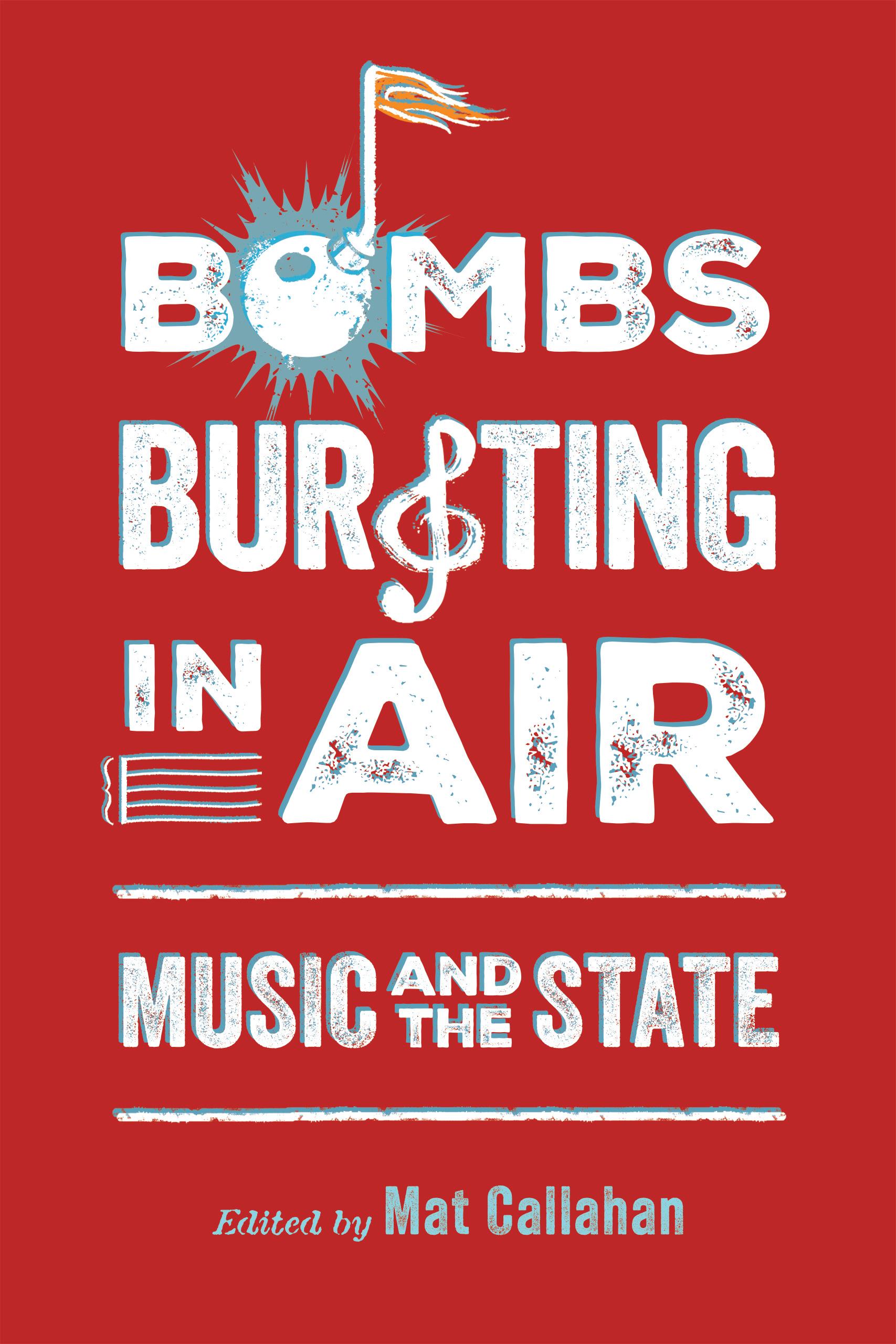
What exactly is American music? Is blackface minstrelsy American music? Is Hawaiian music? Is “The Star-Spangled Banner,” written by an Englishman, American music? And what exactly is “Rockin’ in the Free World”? Why does the Voice of America use jazz music to promote America? These and many other questions are discussed in Bombs Bursting in Air: Music and the State.
The relationship between music and the state has been the topic of controversy for at least 2,500 years. The oft-quoted passage from Plato’s Republic, “the musical modes are never changed without changes in the most basic of the City’s laws,” not only underscores the importance of music in general but warns of music’s ability to affect how society is governed. The state must therefore employ music to serve its ends while at the same time guarding against the lawlessness and subversion music is capable of introducing.
Bombs Bursting in Air gathers contributions from historians and musicologists to explore the role of music in the history of the United States. The essayists exhume music that has been forgotten or deliberately buried while drawing comparison with what has been promoted as “American music” by the academy, the music industry, and journalism, as well as by the US State Department.
What exactly is American music? Is blackface minstrelsy American music? Is Hawaiian music? Is “The Star-Spangled Banner,” written by an Englishman, American music? And what exactly is “Rockin’ in the Free World”? Why does the Voice of America use jazz music to promote America? These and many other questions are discussed in Bombs Bursting in Air: Music and the State.
The relationship between music and the state has been the topic of controversy for at least 2,500 years. The oft-quoted passage from Plato’s Republic, “the musical modes are never changed without changes in the most basic of the City’s laws,” not only underscores the importance of music in general but warns of music’s ability to affect how society is governed. The state must therefore employ music to serve its ends while at the same time guarding against the lawlessness and subversion music is capable of introducing.
Bombs Bursting in Air gathers contributions from historians and musicologists to explore the role of music in the history of the United States. The essayists exhume music that has been forgotten or deliberately buried while drawing comparison with what has been promoted as “American music” by the academy, the music industry, and journalism, as well as by the US State Department.
Pay easily by card, Klarna, Apple Pay or Google Pay. Not happy? You always have a 14-day money-back guarantee. Read more in our terms. If you have any questions, email us at hello@memmo.org.
Memmo makes studying easier – wherever you are in the world. We bring your course books and smart study tools together in one place: summaries, quizzes, podcasts and flashcards. Plus Ted, your study buddy who answers anything you wonder. Over 50,000 students already study here – built to help you learn faster and stress less.
You might also like
Buy the book0