
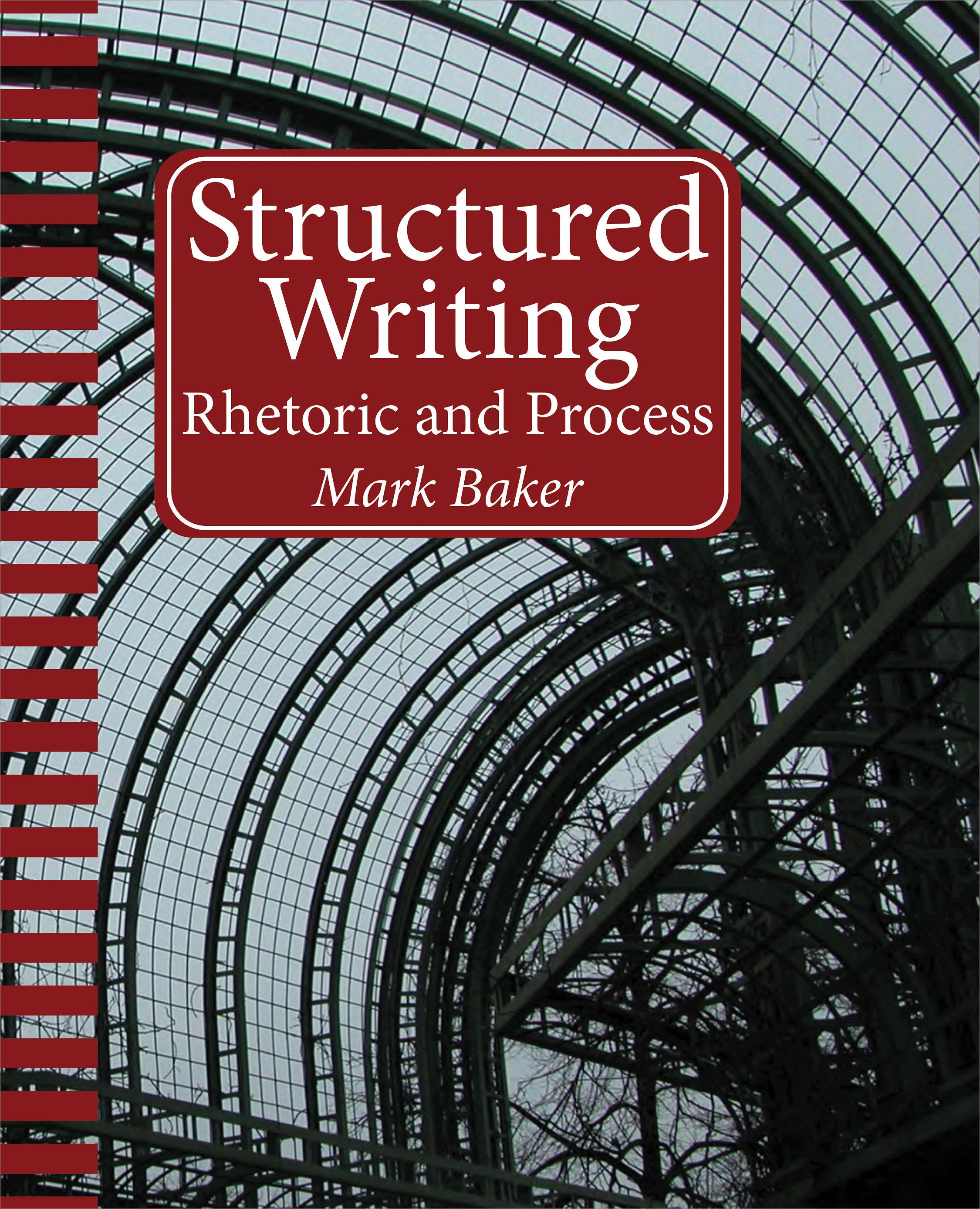
Structured writing has never been more important or more confusing. We keep trying to do more and more with content, but we give ourselves less and less time to do it. Structured content can help keep your rhetoric on track and your processes efficient. But how does it do that and what is the relationship between rhetoric and process? It is easy to get lost in sea of acronyms and buzz words: semantics, XML, metadata, DITA, structure, DocBook, hypertext, Markdown, topics, XSLT, reuse, LaTeX, silos, HTML. Structured Writing cuts through the noise, explaining what structured writing is (you have been doing it all along) and how you can use different structures to achieve different purposes. It focuses on how you can partition and manage the complexity of the content creation process using structured writing techniques to ensure that everything is handled by the person or process with the skills, time, and resources to handle it effectively. Most importantly, this book shows you how the right structured writing techniques can improve the quality of your content and, at the same time, make your content processes more efficient without sacrificing quality for efficiency or vice versa. There are so many options available in the structured writing space today. This book will show you where each of them fits and help you choose the approach that is optimal for your content.
Pay easily by card, Klarna, Apple Pay or Google Pay. Not happy? You always have a 14-day money-back guarantee. Read more in our terms. If you have any questions, email us at hello@memmo.org.
Memmo makes studying easier – wherever you are in the world. We bring your course books and smart study tools together in one place: summaries, quizzes, podcasts and flashcards. Plus Ted, your study buddy who answers anything you wonder. Over 75,000 students already study here – built to help you learn faster and stress less.