
How prisons became economic development strategies for rural Appalachian communities
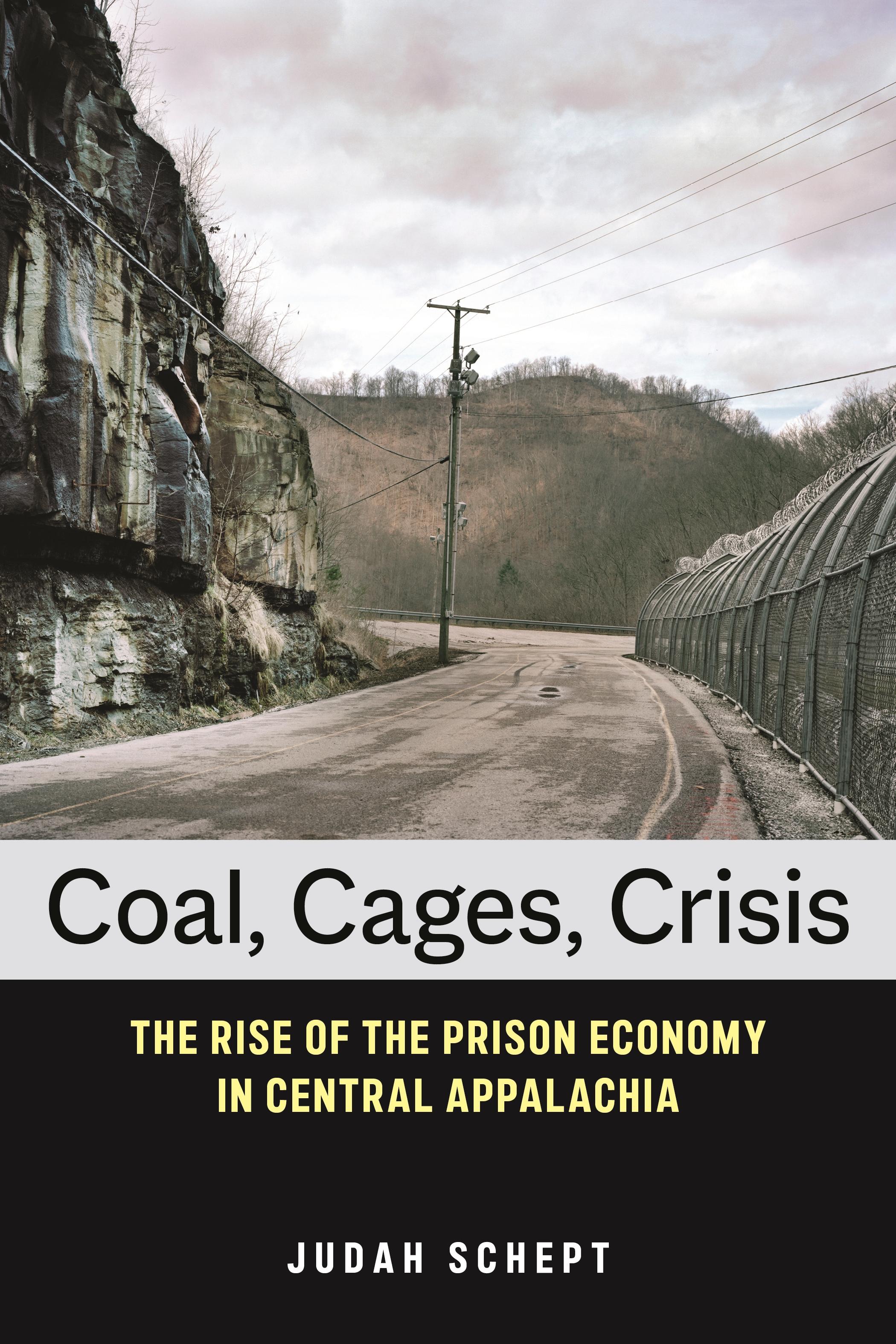
As the United States began the project of mass incarceration, rural communities turned to building prisons as a strategy for economic development. More than 350 prisons have been built in the U.S. since 1980, with certain regions of the country accounting for large shares of this dramatic growth. Central Appalachia is one such region; there are eight prisons alone in Eastern Kentucky. If Kentucky were its own country, it would have the seventh highest incarceration rate in the world. In Coal, Cages, Crisis, Judah Schept takes a closer look at this stunning phenomenon, providing insight into prison growth, jail expansion and rising incarceration rates in America’s hinterlands.
Drawing on interviews, site visits, and archival research, Schept traces recent prison growth in the region to the rapid decline of its coal industry. He takes us inside this startling transformation occurring in the coalfields, where prisons are often built on top of old coalmines, including mountaintop removal sites, and built into community planning approaches to crises of unemployment, population loss, and declining revenues. By linking prison growth to other sites in this landscape—coal mines, coal waste, landfills, and incinerators—Schept shows that the prison boom has less to do with crime and punishment and much more with the overall extraction, depletion, and waste disposal processes that characterize dominant development strategies for the region.
Schept argues that the future of this area now hangs in the balance, detailing recent efforts to oppose its carceral growth. Coal, Cages, Crisis offers invaluable insight into the complex dynamics of mass incarceration that continue to shape Appalachia and the broader United States.
Pay easily by card, Klarna, Apple Pay or Google Pay. Not happy? You always have a 14-day money-back guarantee. Read more in our terms. If you have any questions, email us at hello@memmo.org.
Memmo makes studying easier – wherever you are in the world. We bring your course books and smart study tools together in one place: summaries, quizzes, podcasts and flashcards. Plus Ted, your study buddy who answers anything you wonder. Over 50,000 students already study here – built to help you learn faster and stress less.