
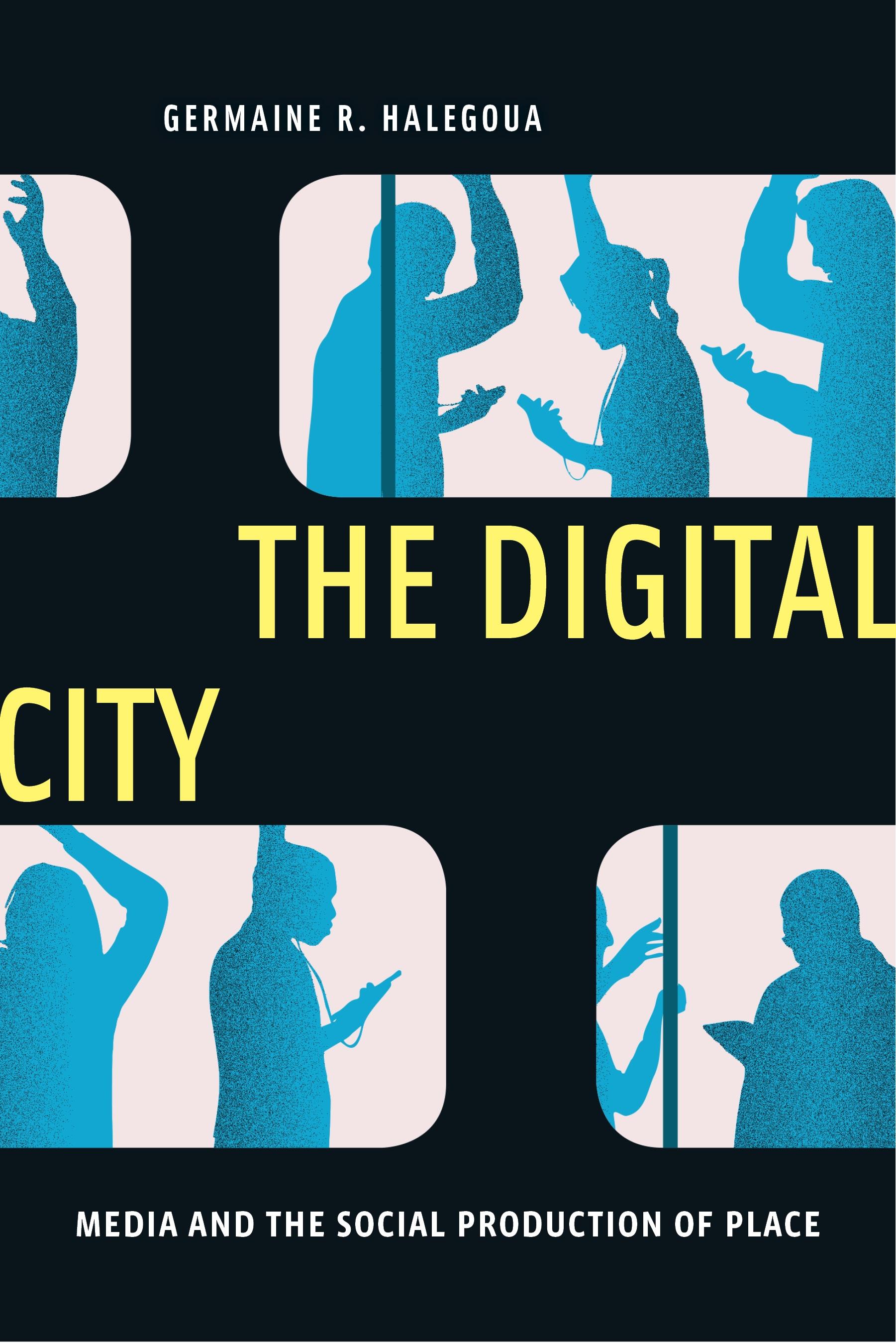
Shows how digital media connects people to their lived environments
Every day, millions of people turn to small handheld screens to search for their destinations and to seek recommendations for places to visit. They may share texts or images of themselves and these places en route or after their journey is complete. We don’t consciously reflect on these activities and probably don’t associate these practices with constructing a sense of place. Critics have argued that digital media alienates users from space and place, but this book argues that the exact opposite is true: that we habitually use digital technologies to re-embed ourselves within urban environments.
The Digital City advocates for the need to rethink our everyday interactions with digital infrastructures, navigation technologies, and social media as we move through the world. Drawing on five case studies from global and mid-sized cities to illustrate the concept of “re-placeing,” Germaine R. Halegoua shows how different populations employ urban broadband networks, social and locative media platforms, digital navigation, smart cities, and creative placemaking initiatives to turn urban spaces into places with deep meanings and emotional attachments. Through timely narratives of everyday urban life, Halegoua argues that people use digital media to create a unique sense of place within rapidly changing urban environments and that a sense of place is integral to understanding contemporary relationships with digital media.
Pay easily by card, Klarna, Apple Pay or Google Pay. Not happy? You always have a 14-day money-back guarantee. Read more in our terms. If you have any questions, email us at hello@memmo.org.
Memmo makes studying easier – wherever you are in the world. We bring your course books and smart study tools together in one place: summaries, quizzes, podcasts and flashcards. Plus Ted, your study buddy who answers anything you wonder. Over 50,000 students already study here – built to help you learn faster and stress less.