
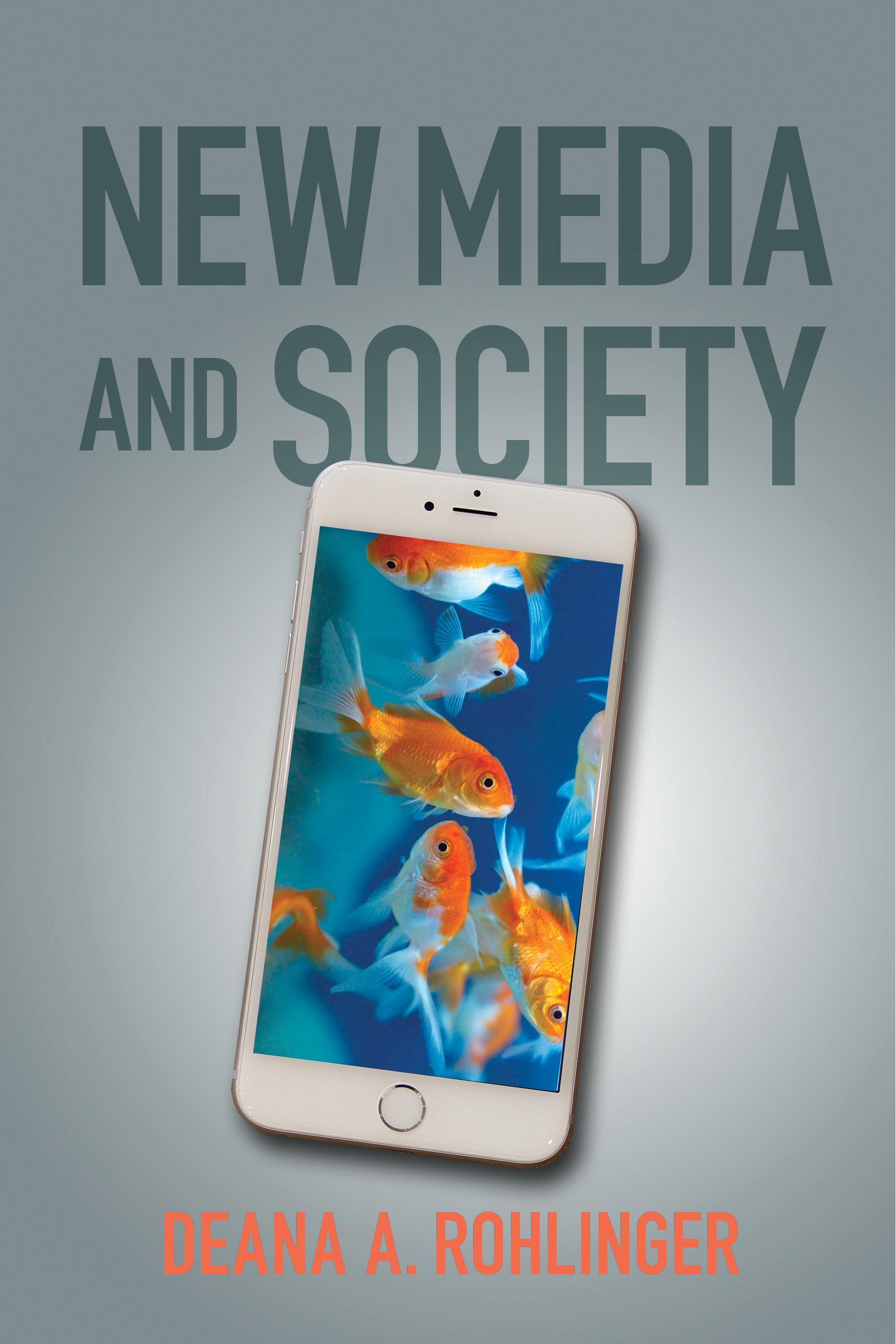
A sociological approach to understanding new media’s impact on society
We use cell phones, computers, and tablets to access the Internet, read the news, watch television, chat with our friends, make our appointments, and post on social networking sites. New media provide the backdrop for most of our encounters. We swim in a technological world yet we rarely think about how new media potentially change the ways in which we interact with one another or shape how we live our lives.
In New Media and Society, Deana Rohlinger provides a sociological approach to understanding how new media shape our interactions, our experiences, and our institutions. Using case studies and in-class exercises, Rohlinger explores how new media alter everything from our relationships with friends and family to our experiences in the workplace. Each chapter takes up a different topic – our sense of self and our relationships, education, religion, law, work, and politics – and assesses how new media alter our worlds as well as our expectations and experiences in institutional settings. Instead of arguing that these changes are “good” or “bad” for American society, the book uses sociological theory to challenge readers to think about the consequences of these changes, which typically have both positive and negative aspects.
New Media and Society begins with a brief explanation of new media and social institutions, highlighting how sociologists understand complex, changing relationships. After outlining the influence of new media on our identities and relationships, it discusses the effects new media have on how we think about education, practice our religions, understand police surveillance, conceptualize work, and participate in politics. Each chapter includes key sociological concepts, engaging activities that illustrate the ideas covered in the chapter, as well as links, films, and references to additional online material.
Pay easily by card, Klarna, Apple Pay or Google Pay. Not happy? You always have a 14-day money-back guarantee. Read more in our terms. If you have any questions, email us at hello@memmo.org.
Memmo makes studying easier – wherever you are in the world. We bring your course books and smart study tools together in one place: summaries, quizzes, podcasts and flashcards. Plus Ted, your study buddy who answers anything you wonder. Over 50,000 students already study here – built to help you learn faster and stress less.