
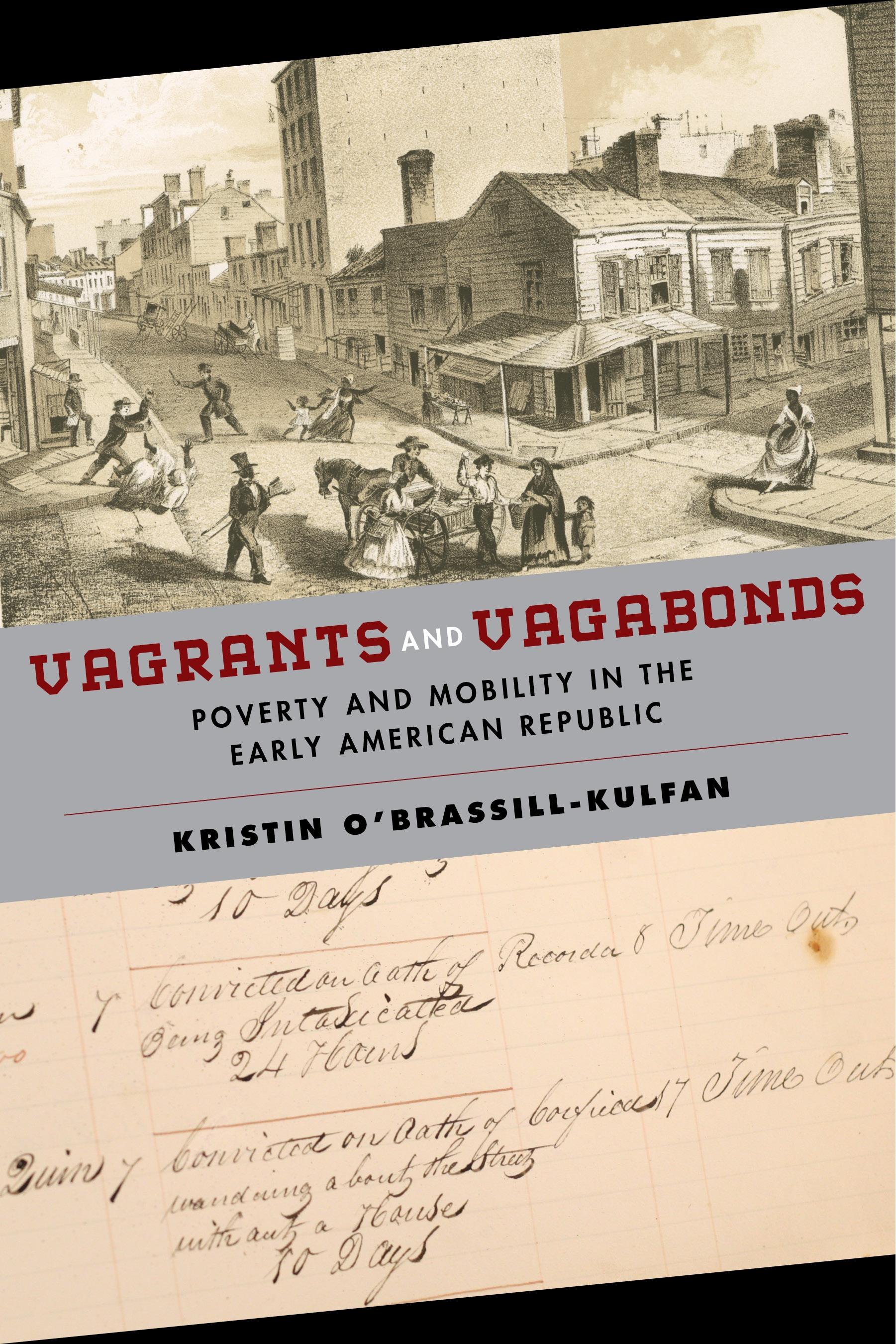
The riveting story of control over the mobility of poor migrants, and how their movements shaped current perceptions of class and status in the United States
Vagrants. Vagabonds. Hoboes. Identified by myriad names, the homeless and geographically mobile have been with us since the earliest periods of recorded history. In the early days of the United States, these poor migrants – consisting of everyone from work-seekers to runaway slaves – populated the roads and streets of major cities and towns. These individuals were a part of a social class whose geographical movements broke settlement laws, penal codes, and welfare policies. This book documents their travels and experiences across the Atlantic world, excavating their life stories from the records of criminal justice systems and relief organizations.
Vagrants and Vagabonds examines the subsistence activities of the mobile poor, from migration to wage labor to petty theft, and how local and state municipal authorities criminalized these activities, prompting extensive punishment. Kristin O’Brassill-Kulfan examines the intertwined legal constructions, experiences, and responses to these so-called “vagrants,” arguing that we can glean important insights about poverty and class in this period by paying careful attention to mobility. This book charts why and how the itinerant poor were subject to imprisonment and forced migration, and considers the relationship between race and the right to movement and residence in the antebellum US. Ultimately, Vagrants and Vagabonds argues that poor migrants, the laws designed to curtail their movements, and the people charged with managing them, were central to shaping everything from the role of the state to contemporary conceptions of community to class and labor status, the spread of disease, and punishment in the early American republic.
Pay easily by card, Klarna, Apple Pay or Google Pay. Not happy? You always have a 14-day money-back guarantee. Read more in our terms. If you have any questions, email us at hello@memmo.org.
Memmo makes studying easier – wherever you are in the world. We bring your course books and smart study tools together in one place: summaries, quizzes, podcasts and flashcards. Plus Ted, your study buddy who answers anything you wonder. Over 50,000 students already study here – built to help you learn faster and stress less.