
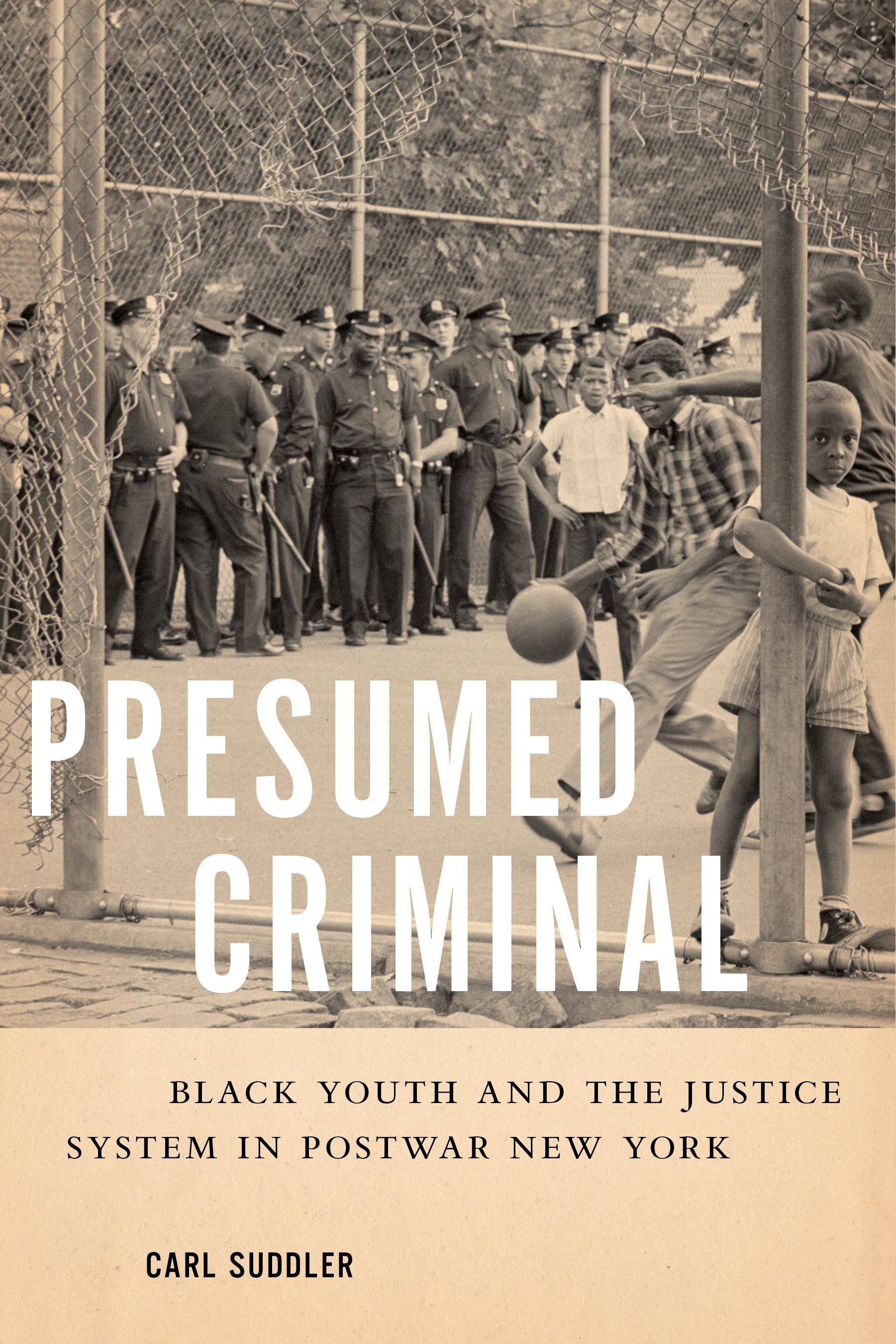
A startling examination of the deliberate criminalization of black youths from the 1930s to today
A stark disparity exists between black and white youth experiences in the justice system today. Black youths are perceived to be older and less innocent than their white peers. When it comes to incarceration, race trumps class, and even as black youths articulate their own experiences with carceral authorities, many Americans remain surprised by the inequalities they continue to endure. In this revealing book, Carl Suddler brings to light a much longer history of the policies and strategies that tethered the lives of black youths to the justice system indefinitely.
The criminalization of black youth is inseparable from its racialized origins. In the mid-twentieth century, the United States justice system began to focus on punishment, rather than rehabilitation. By the time the federal government began to address the issue of juvenile delinquency, the juvenile justice system shifted its priorities from saving delinquent youth to purely controlling crime, and black teens bore the brunt of the transition.
In New York City, increased state surveillance of predominantly black communities compounded arrest rates during the post–World War II period, providing justification for tough-on-crime policies. Questionable police practices, like stop-and-frisk, combined with media sensationalism, cemented the belief that black youth were the primary cause for concern. Even before the War on Crime, the stakes were clear: race would continue to be the crucial determinant in American notions of crime and delinquency, and black youths condemned with a stigma of criminality would continue to confront the overwhelming power of the state.
Pay easily by card, Klarna, Apple Pay or Google Pay. Not happy? You always have a 14-day money-back guarantee. Read more in our terms. If you have any questions, email us at hello@memmo.org.
Memmo makes studying easier – wherever you are in the world. We bring your course books and smart study tools together in one place: summaries, quizzes, podcasts and flashcards. Plus Ted, your study buddy who answers anything you wonder. Over 50,000 students already study here – built to help you learn faster and stress less.