
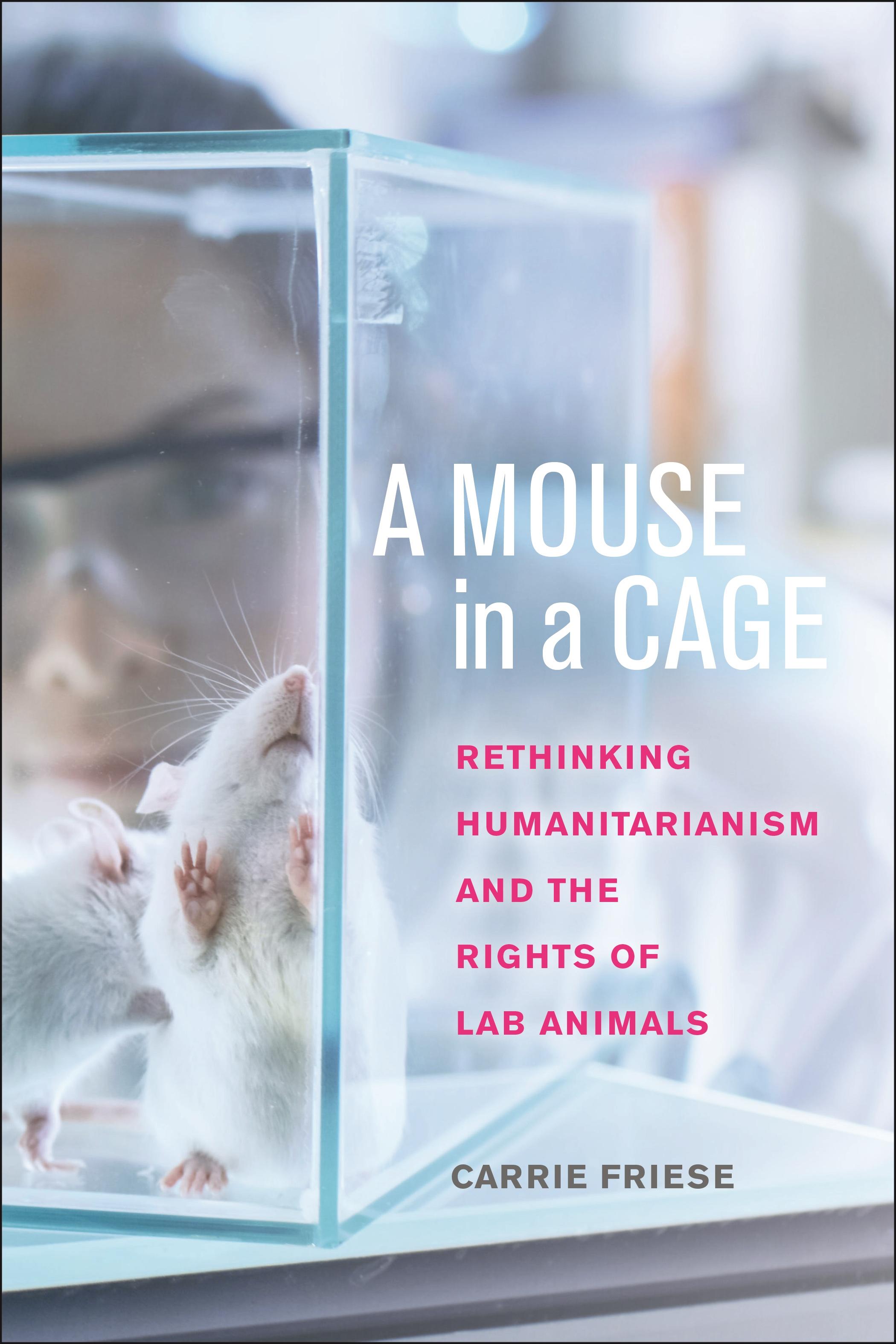
Questions the treatment of laboratory animals in biomedical research
Laboratory animals are often used to develop medical treatments: vaccines, antibiotics, and organ transplants have all relied upon animal testing to ensure safety and success for human benefit. Yet the relationship between the scientific community's dependence on laboratory animals and the recognition of the need to treat these animals with respect and compassion has given rise to a profound tension.
As animals are increasingly understood to have rights and autonomy, Carrie Friese posits that, while care and compassion for a distant other who suffers are central to humanitarianism, the idea of a distant other itself, which has shaped work with laboratory animals both historically and today, has enacted forms of highly problematic paternalism, creating a double bind. Focusing on the lives of laboratory mice and rats in the United Kingdom, and on the people who take care of, and often kill, these animals, Friese gives the name of “more-than-human humanitarianism” to contradictory practices of suffering and compassion, killing and sacrifice, and compassion and consent that she witnessed in a variety of animal facilities and laboratories.
Friese proposes a new approach to the treatment of laboratory animals that recognizes the interconnectedness of all species and how human actions impact the welfare of other species and the planet as a whole. A Mouse in a Cage is an essential contribution to the ongoing conversation about the ethical treatment of animals.
Pay easily by card, Klarna, Apple Pay or Google Pay. Not happy? You always have a 14-day money-back guarantee. Read more in our terms. If you have any questions, email us at hello@memmo.org.
Memmo makes studying easier – wherever you are in the world. We bring your course books and smart study tools together in one place: summaries, quizzes, podcasts and flashcards. Plus Ted, your study buddy who answers anything you wonder. Over 50,000 students already study here – built to help you learn faster and stress less.