
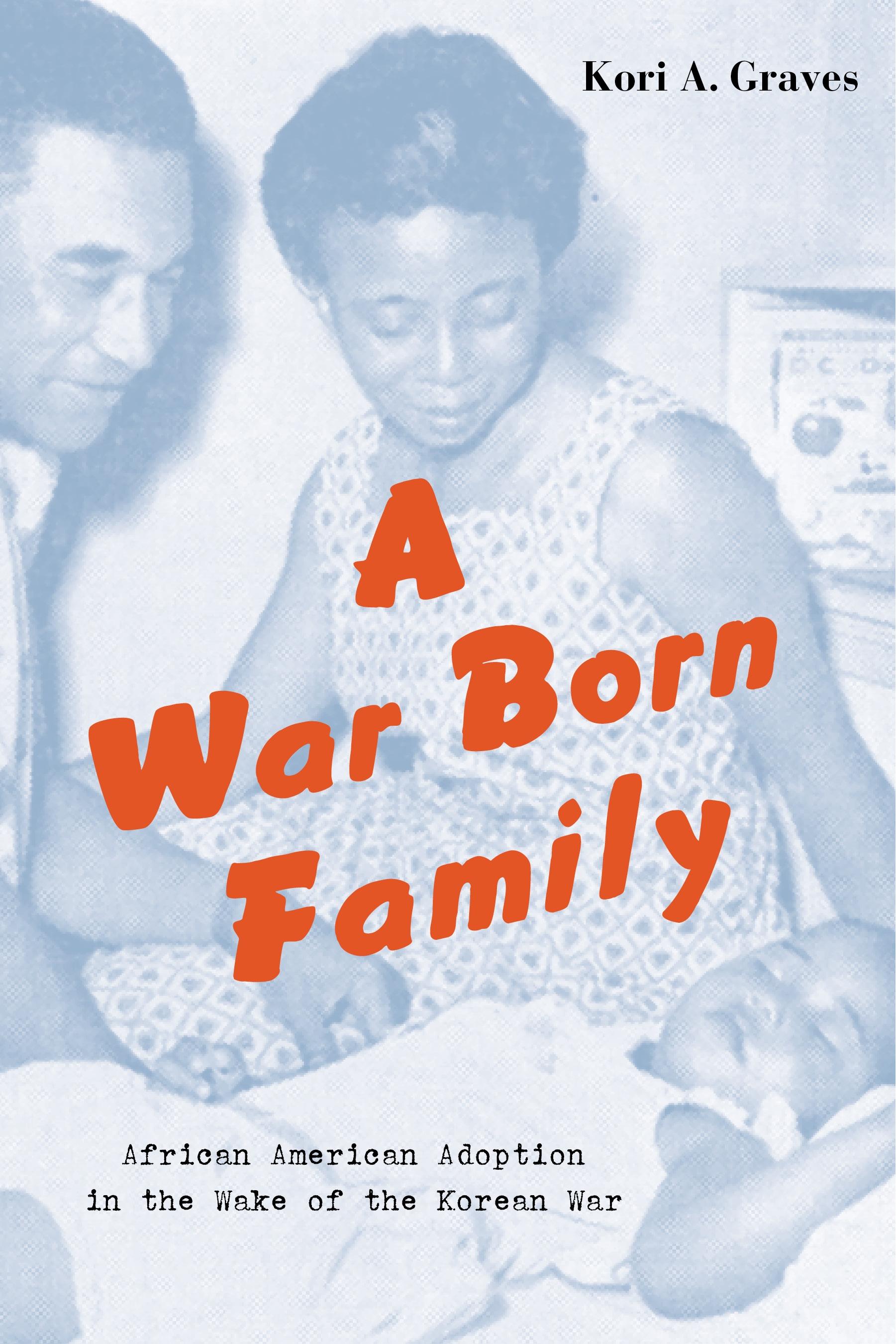
The origins of a transnational adoption strategy that secured the future for Korean-black children
The Korean War left hundreds of thousands of children in dire circumstances, but the first large-scale transnational adoption efforts involved the children of American soldiers and Korean women. Korean laws and traditions stipulated that citizenship and status passed from father to child, which made the children of US soldiers legally stateless. Korean-black children faced additional hardships because of Korean beliefs about racial purity, and the segregation that structured African American soldiers’ lives in the military and throughout US society. The African American families who tried to adopt Korean-black children also faced and challenged discrimination in the child welfare agencies that arranged adoptions.
Drawing on extensive research in black newspapers and magazines, interviews with African American soldiers, and case notes about African American adoptive families, A War Born Family demonstrates how the Cold War and the struggle for civil rights led child welfare agencies to reevaluate African American men and women as suitable adoptive parents, advancing the cause of Korean transnational adoption.
Pay easily by card, Klarna, Apple Pay or Google Pay. Not happy? You always have a 14-day money-back guarantee. Read more in our terms. If you have any questions, email us at hello@memmo.org.
Memmo makes studying easier – wherever you are in the world. We bring your course books and smart study tools together in one place: summaries, quizzes, podcasts and flashcards. Plus Ted, your study buddy who answers anything you wonder. Over 50,000 students already study here – built to help you learn faster and stress less.