
Honorable Mention, Outstanding Publication Award, given by the Environmental Sociology Section of the American Sociological Association
A riveting portrait of the cultural struggles and political conflicts of proposed copper-nickel mines in Minnesota’s Iron Range
On an unseasonably warm October afternoon in Saint Paul, hundreds of people gathered to protest the construction of a proposed copper-nickel mine in the rural northern part of their state. The crowd eagerly listened to speeches on how the project would bring long-term risks and potentially pollute the drinking water for current and future generations. A year later, another proposed mining project became the subject of a public hearing in a small town near the proposed site. But this time, local politicians and union leaders praised the mine proposal as an asset that would strengthen working-class communities in Minnesota.
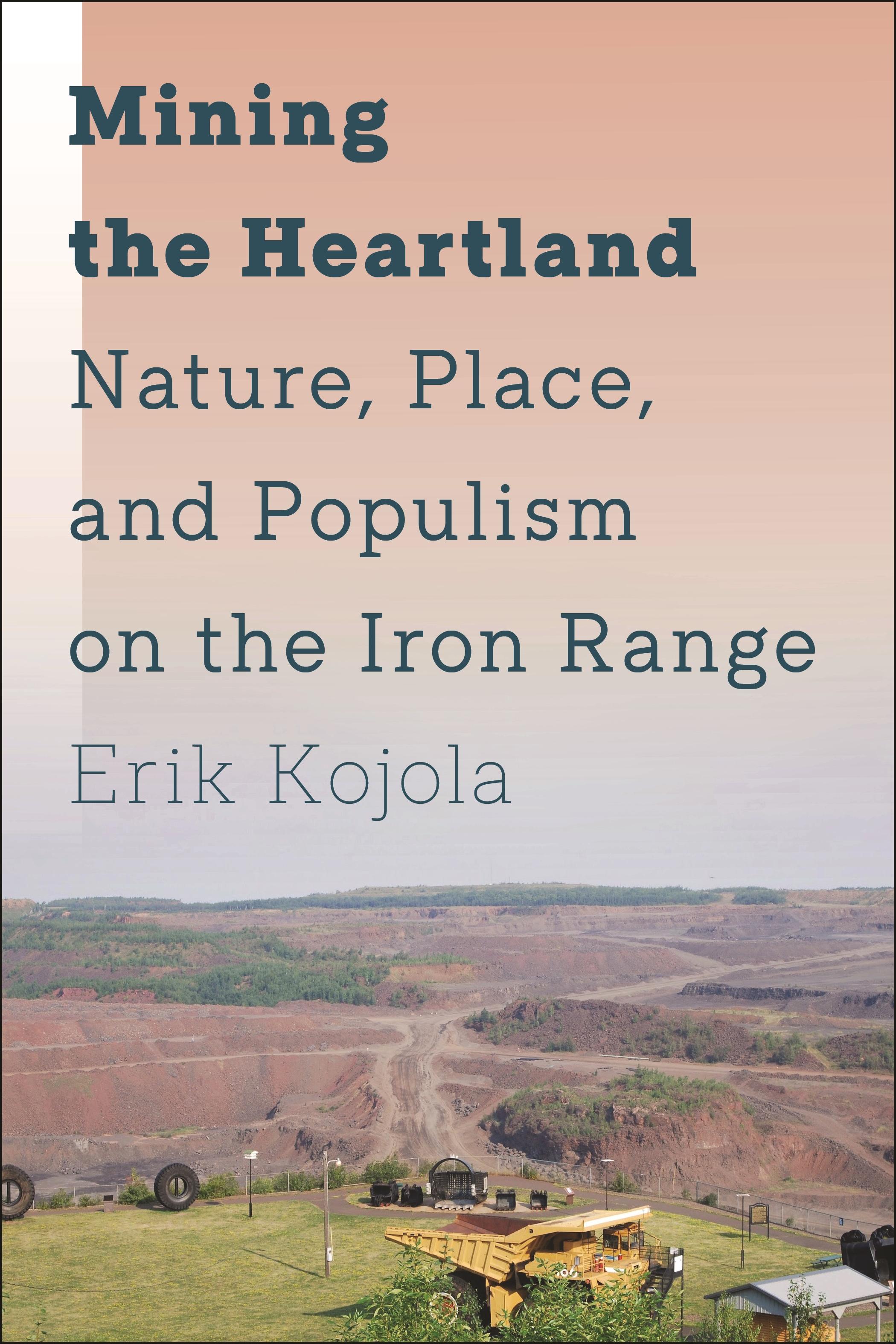
In many rural American communities, there is profound tension around the preservation and protection of wilderness and the need to promote and profit from natural resources. In Mining the Heartland, Erik Kojola looks at both sides of these populist movements and presents a thoughtful account of how such political struggles play out. Drawing on over a hundred ethnographic interviews with people of the region, from members of labor unions to local residents to scientists, Kojola is able to bring this complex struggle over mining to life. Focusing on both pro- and anti-mining groups, he expands upon what this conflict reveals about the way whiteness and masculinity operate among urban and rural residents, and the different ways in which class, race, and gender shape how people relate to the land. Mining the Heartland shows the negotiation and conflict between two central aspects of the state's culture and economy: outdoor recreation in the Land of Ten Thousand Lakes and the lucrative mining of the Iron Range.
Pay easily by card, Klarna, Apple Pay or Google Pay. Not happy? You always have a 14-day money-back guarantee. Read more in our terms. If you have any questions, email us at hello@memmo.org.
Memmo makes studying easier – wherever you are in the world. We bring your course books and smart study tools together in one place: summaries, quizzes, podcasts and flashcards. Plus Ted, your study buddy who answers anything you wonder. Over 50,000 students already study here – built to help you learn faster and stress less.