
How activist groups across the country adapted their strategies and tactics to their local contexts to keep the protests alive
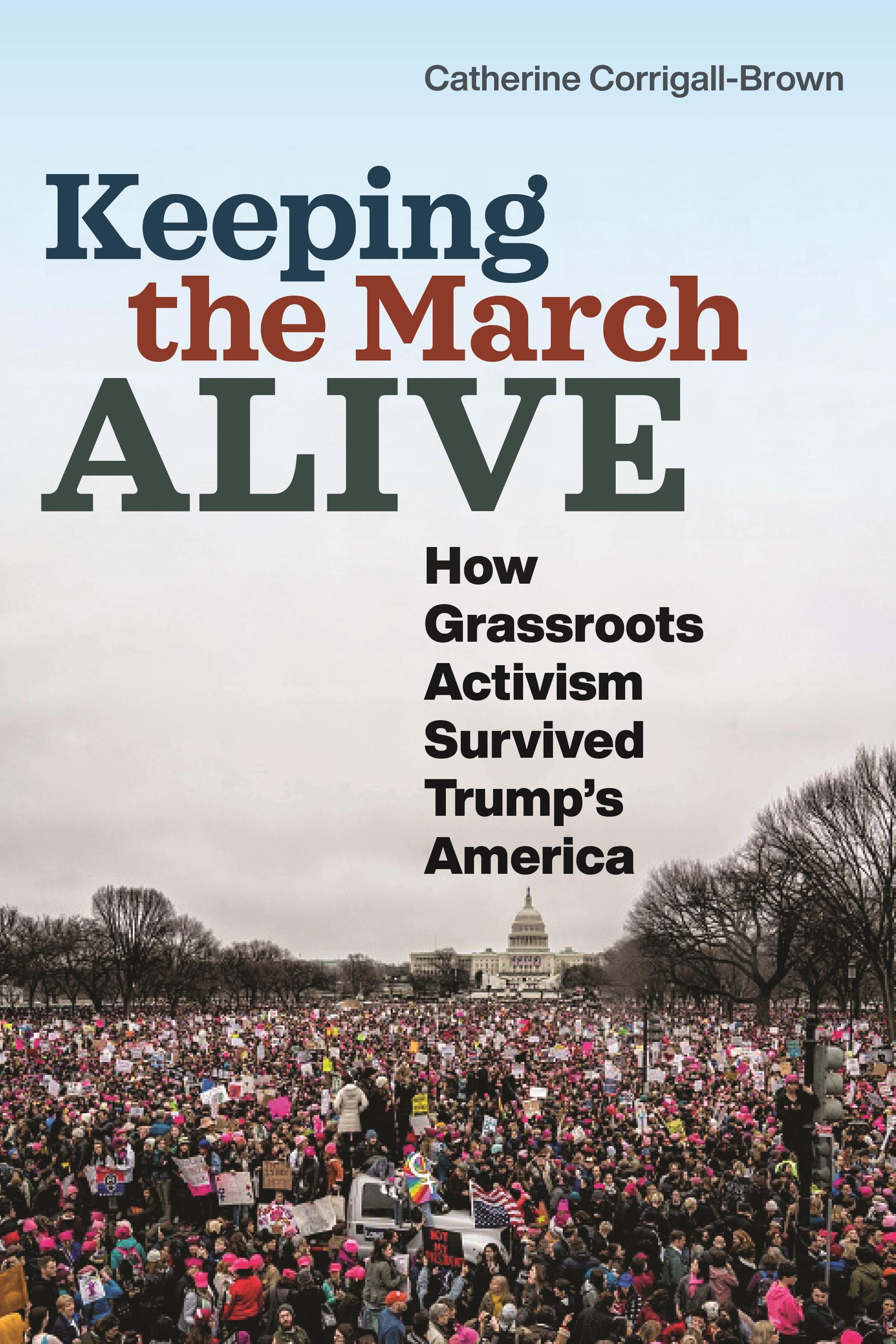
On January 21, 2017, the day after Trump's inauguration, feminist activists and allies across many progressive movements assembled across the United States to express their displeasure with the new President and his agenda. These marches were unprecedented in size, bringing together as many as 5.3 million Americans, with at least 408 protests in cities and towns across the country. These protests were large and dramatic, and had an outsized impact. But, they do not tell the whole story of this wave of contention.
Keeping the March Alive follows thirty-five progressive groups founded after the Women’s March across ten cities from Amarillo and Atlanta to Pasadena and Pittsburgh to tell the whole story of how some social movement organizations survive and thrive while others falter. Catherine Corrigall-Brown explains how activists navigate their local context and make strategic decisions about tactics, coalitions, individual participation, and online technologies to keep their movements alive. Movements that had the most success in keeping members engaged and active were those that were able to adjust their strategies to their particular local contexts. While in larger and more liberal cities, engaging in expressly political coalitions and cooperating only with other social movement organizations was the most successful strategy, fostering broad coalitions among churches, charities, and businesses was most successful in smaller, more conservative cities. Keeping the March Alive is instrumental in understanding how activism and activist groups can be sustained over time and how larger protest movements can last.
Pay easily by card, Klarna, Apple Pay or Google Pay. Not happy? You always have a 14-day money-back guarantee. Read more in our terms. If you have any questions, email us at hello@memmo.org.
Memmo makes studying easier – wherever you are in the world. We bring your course books and smart study tools together in one place: summaries, quizzes, podcasts and flashcards. Plus Ted, your study buddy who answers anything you wonder. Over 50,000 students already study here – built to help you learn faster and stress less.