
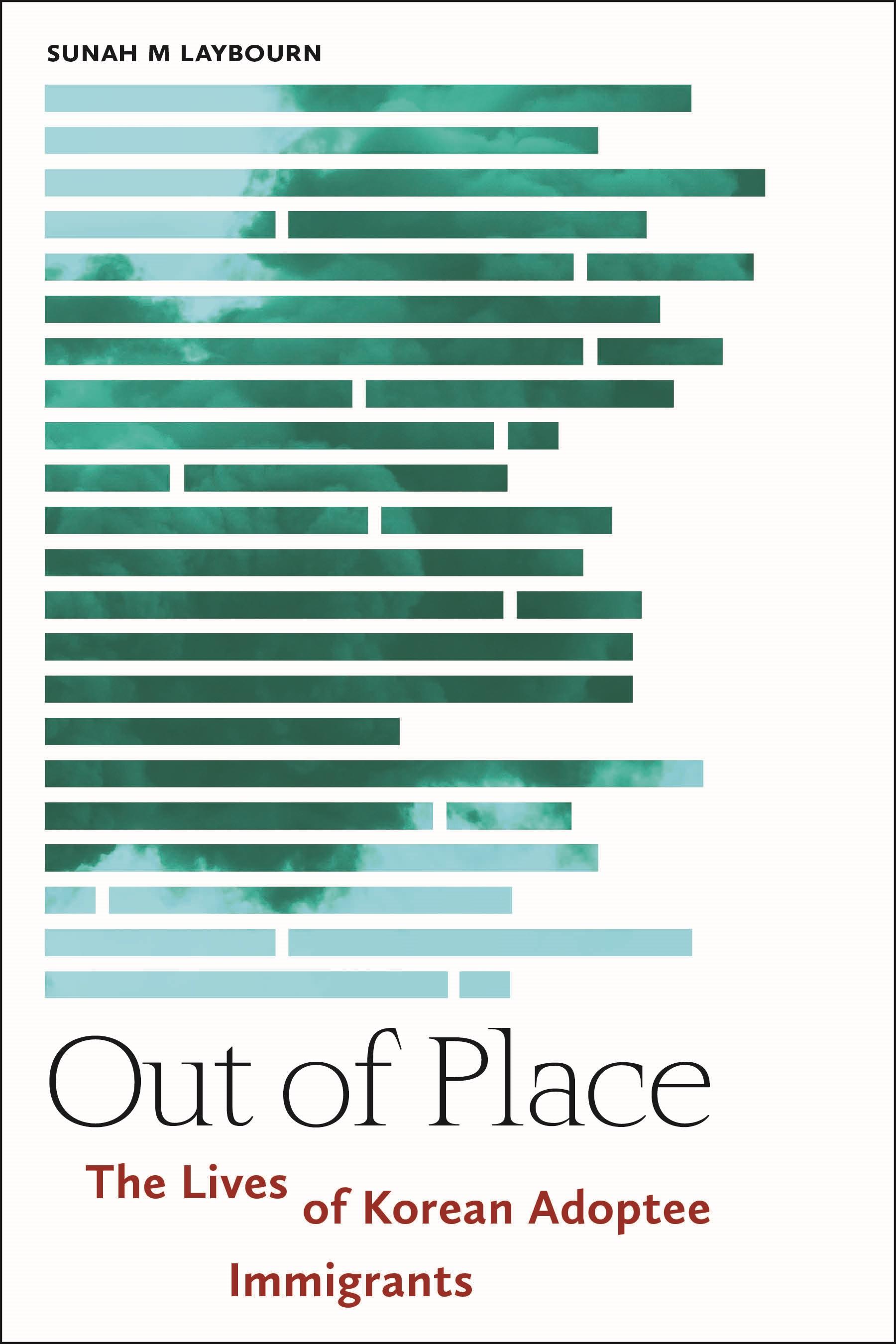
How Korean adoptees went from being adoptable orphans to deportable immigrants
Since the early 1950s, over 125,000 Korean children have been adopted in the United States, primarily by white families. Korean adoptees figure in twenty-five percent of US transnational adoptions and are the largest group of transracial adoptees currently in adulthood. Despite being legally adopted, Korean adoptees' position as family members did not automatically ensure legal, cultural, or social citizenship. Korean adoptees routinely experience refusals of belonging, whether by state agents, laws, and regulations, in everyday interactions, or even through media portrayals that render them invisible. In Out of Place, SunAh M Laybourn, herself a Korean American adoptee, examines this long-term journey, with a particular focus on the race-making process and the contradictions inherent to the model minority myth.
Drawing on in-depth interviews with Korean adoptee adults, online surveys, and participant observation at Korean adoptee events across the US and in Korea, Out of Place illustrates how Korean adoptees come to understand their racial positions, reconcile competing expectations of citizenship and racial and ethnic group membership, and actively work to redefine belonging both individually and collectively. In considering when and how Korean adoptees have been remade, rejected, and celebrated as exceptional citizens, Out of Place brings to the fore the features of the race-making process.
Pay easily by card, Klarna, Apple Pay or Google Pay. Not happy? You always have a 14-day money-back guarantee. Read more in our terms. If you have any questions, email us at hello@memmo.org.
Memmo makes studying easier – wherever you are in the world. We bring your course books and smart study tools together in one place: summaries, quizzes, podcasts and flashcards. Plus Ted, your study buddy who answers anything you wonder. Over 50,000 students already study here – built to help you learn faster and stress less.