
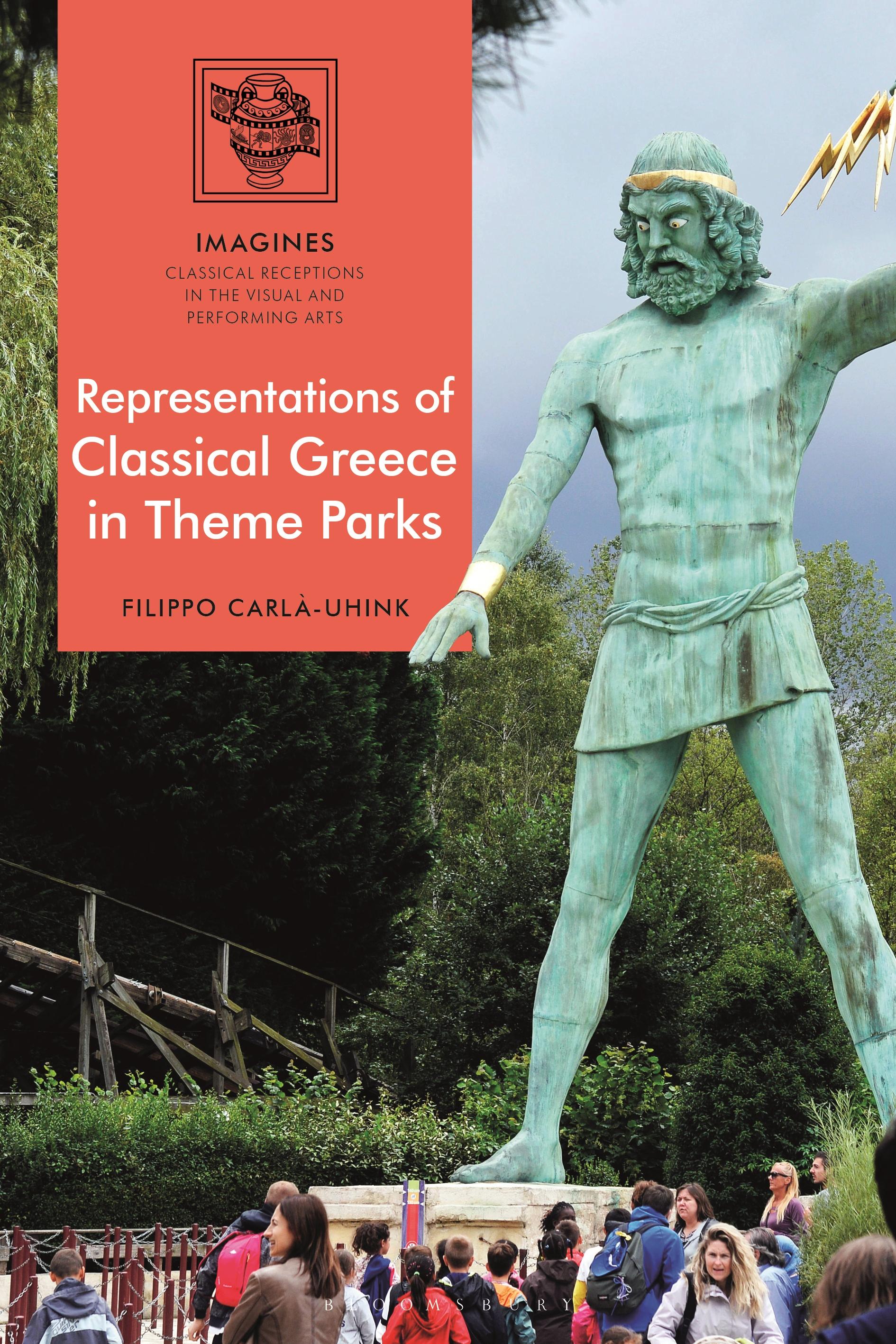
Theme park studies is a growing field in social and cultural studies. Nonetheless, until now little attention has been dedicated to the choice of the themes represented in the parks and the strategies of their representation. This is particularly interesting when the theme is a historical one, for example ancient Greece. Which elements of classical Greece find their way into a theme park and how are they chosen and represented? What is the “entertainment” element in ancient Greek history, culture and myth, which allows its presence in commercial structures aiming to people's fun? How does the representation of Greece change against different cultural backgrounds, e.g. in different European countries, in the USA, in China?
This book frames a discussion of these representations within the current debates about immersive spaces, uses of history and postmodern aesthetics, and analyses how ancient Greece has been represented and made “enjoyable” in seven different theme parks across the world, providing an original and ground-breaking contribution to theme park studies and classical reception.
This book frames a discussion of these representations within the current debates about immersive spaces, uses of history and postmodern aesthetics, and analyses how ancient Greece has been represented and made “enjoyable” in seven different theme parks across the world, providing an original and ground-breaking contribution to theme park studies and classical reception.
Pay easily by card, Klarna, Apple Pay or Google Pay. Not happy? You always have a 14-day money-back guarantee. Read more in our terms. If you have any questions, email us at hello@memmo.org.
Memmo makes studying easier – wherever you are in the world. We bring your course books and smart study tools together in one place: summaries, quizzes, podcasts and flashcards. Plus Ted, your study buddy who answers anything you wonder. Over 75,000 students already study here – built to help you learn faster and stress less.