
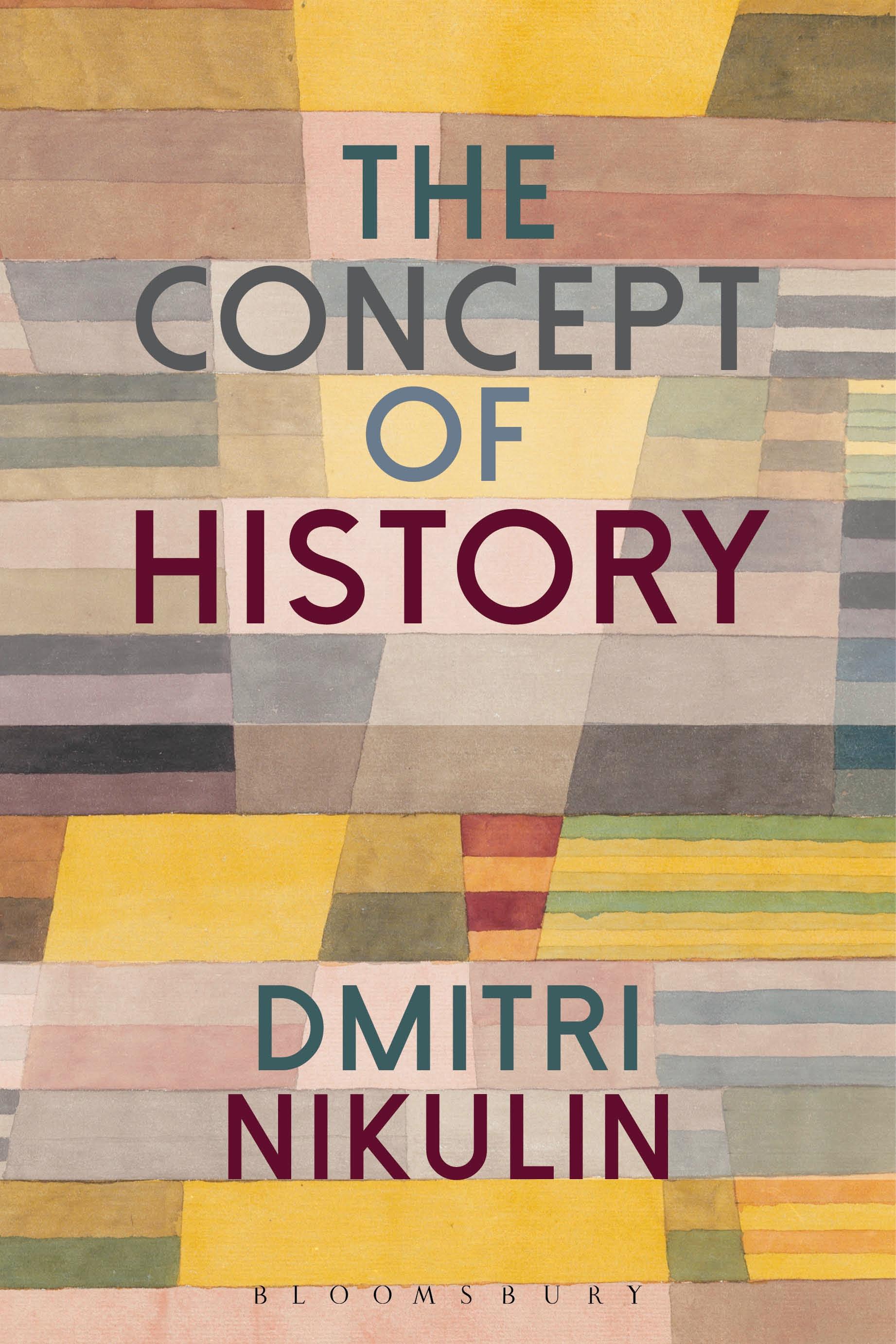
The Concept of History reflects on the presuppositions behind the contemporary understanding of history that often remain implicit and not spelled out. It is a critique of the modern understanding of history that presents it as universal and teleological, progressively moving forward to an end. Although few contemporary philosophers and historians maintain the view that there is strict universality and teleology in history, the remnants of these positions still affect our understanding of history. But if history is not universal and singular, evolving toward an objective universal end, it should be possible to admit of multiple histories, some of which we appropriate as our own.
An another important aspect of this book is that if provides an account of history that is itself both historical and rooted in attempts to narrate and explain history from its inception in antiquity. The book seeks to establish features or constituents of history that might be found in any historical account and might themselves be considered historical invariants in history.
An another important aspect of this book is that if provides an account of history that is itself both historical and rooted in attempts to narrate and explain history from its inception in antiquity. The book seeks to establish features or constituents of history that might be found in any historical account and might themselves be considered historical invariants in history.
Pay easily by card, Klarna, Apple Pay or Google Pay. Not happy? You always have a 14-day money-back guarantee. Read more in our terms. If you have any questions, email us at hello@memmo.org.
Memmo makes studying easier – wherever you are in the world. We bring your course books and smart study tools together in one place: summaries, quizzes, podcasts and flashcards. Plus Ted, your study buddy who answers anything you wonder. Over 50,000 students already study here – built to help you learn faster and stress less.