
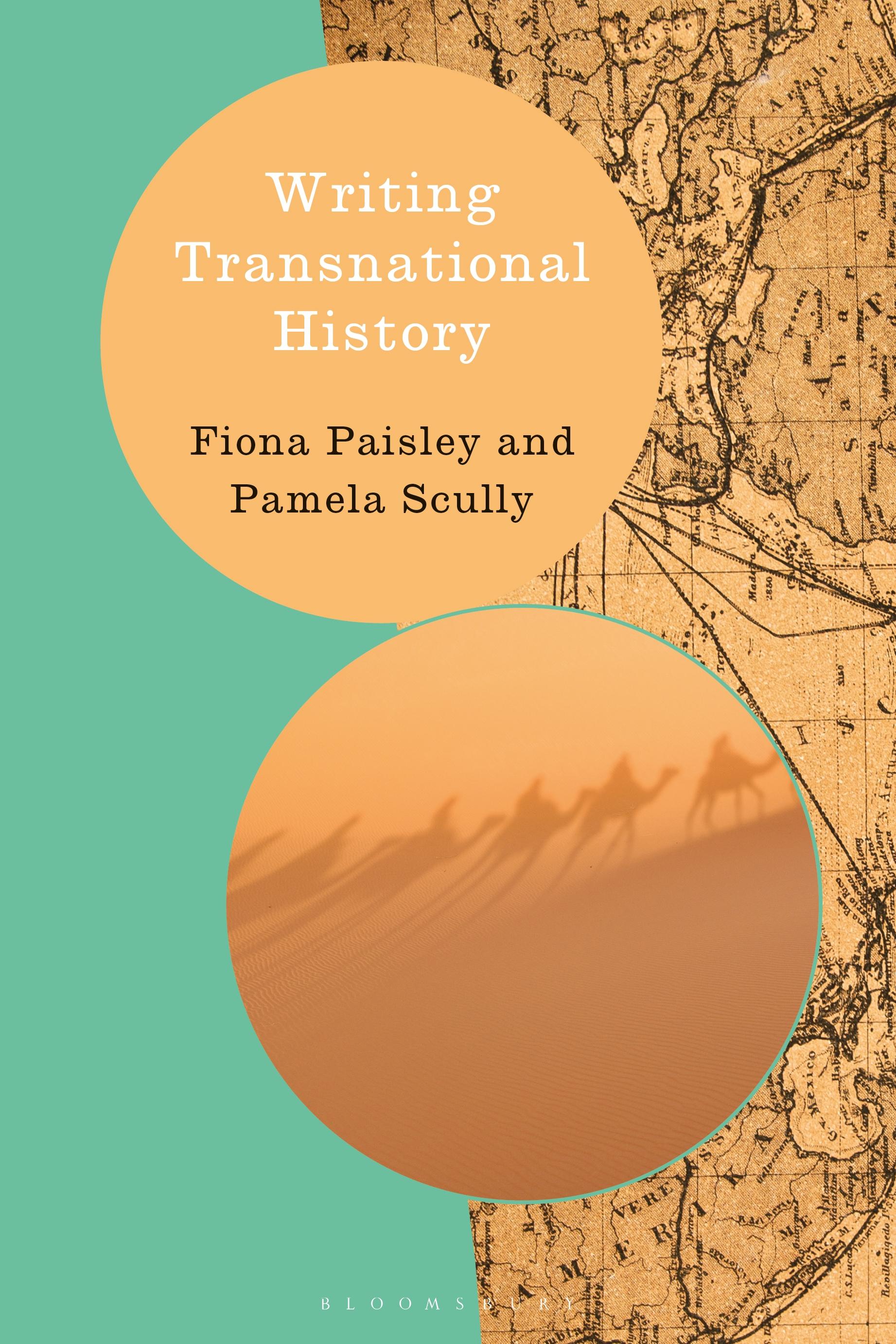
Over the past two decades, transnational history has become an established term describing approaches to the writing of world or global history that emphasise movement, dynamism and diversity. This book investigates the emergence of the 'transnational' as an approach, its limits, and parameters.
It focuses particular attention on the contributions of postcolonial and feminist studies in reformulating transnational historiography as a move beyond the national to one focusing on oceans, the movement of people, and the contributions of the margins. It ends with a consideration of developing approaches such as translocalism. The book considers the new kinds of history that need to be written now that the transnational perspective has become widespread. Providing an accessible and engaging chronology of the field, it will be key reading for students of historiography and world history.
It focuses particular attention on the contributions of postcolonial and feminist studies in reformulating transnational historiography as a move beyond the national to one focusing on oceans, the movement of people, and the contributions of the margins. It ends with a consideration of developing approaches such as translocalism. The book considers the new kinds of history that need to be written now that the transnational perspective has become widespread. Providing an accessible and engaging chronology of the field, it will be key reading for students of historiography and world history.
Pay easily by card, Klarna, Apple Pay or Google Pay. Not happy? You always have a 14-day money-back guarantee. Read more in our terms. If you have any questions, email us at hello@memmo.org.
Memmo makes studying easier – wherever you are in the world. We bring your course books and smart study tools together in one place: summaries, quizzes, podcasts and flashcards. Plus Ted, your study buddy who answers anything you wonder. Over 50,000 students already study here – built to help you learn faster and stress less.