
To know epistemology's history is to know better what contemporary epistemology could be and perhaps should be – and what it need not be and perhaps ought not to be.
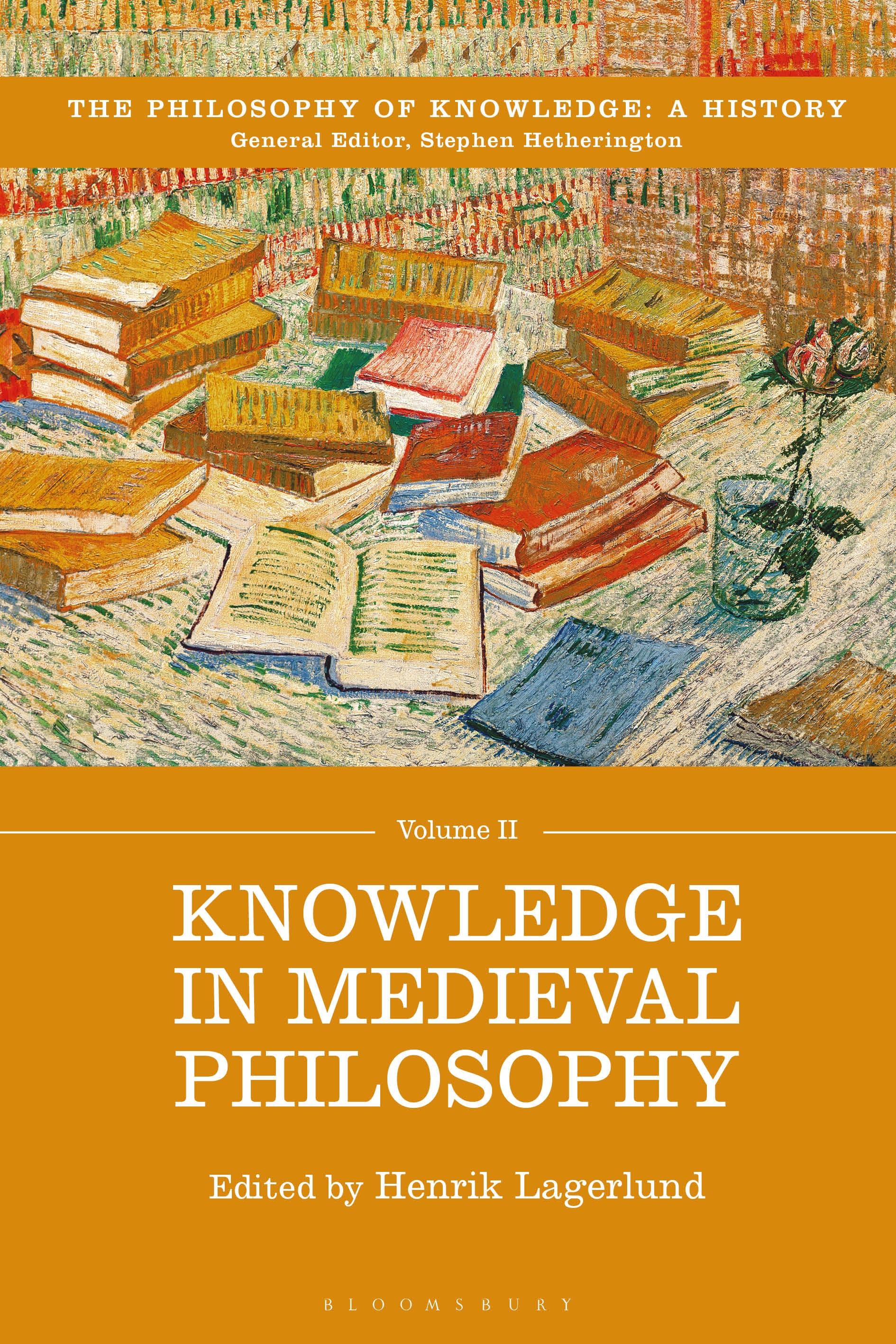
Knowledge in Medieval Philosophy covers the influence of Aristotle and Augustine during the Middle Ages.
Epistemology and scepticism is part of philosophy from the late thirteenth century onwards, and knowledge was of great philosophical concern throughout the Middle Ages. By putting the medieval discussion in context it contributes to shedding light on the era and its thinkers, as well as to making it relevant for contemporary epistemologists.
Demonstrating important aspects of epistemology, ones that has huge importance for our everyday life, chapters cover the notion of testimony and thinkers such as Avicenna, Scotus amd the definition of knowledge found in Ockham.
Knowledge in Medieval Philosophy covers the influence of Aristotle and Augustine during the Middle Ages.
Epistemology and scepticism is part of philosophy from the late thirteenth century onwards, and knowledge was of great philosophical concern throughout the Middle Ages. By putting the medieval discussion in context it contributes to shedding light on the era and its thinkers, as well as to making it relevant for contemporary epistemologists.
Demonstrating important aspects of epistemology, ones that has huge importance for our everyday life, chapters cover the notion of testimony and thinkers such as Avicenna, Scotus amd the definition of knowledge found in Ockham.
Pay easily by card, Klarna, Apple Pay or Google Pay. Not happy? You always have a 14-day money-back guarantee. Read more in our terms. If you have any questions, email us at hello@memmo.org.
Memmo makes studying easier – wherever you are in the world. We bring your course books and smart study tools together in one place: summaries, quizzes, podcasts and flashcards. Plus Ted, your study buddy who answers anything you wonder. Over 50,000 students already study here – built to help you learn faster and stress less.