
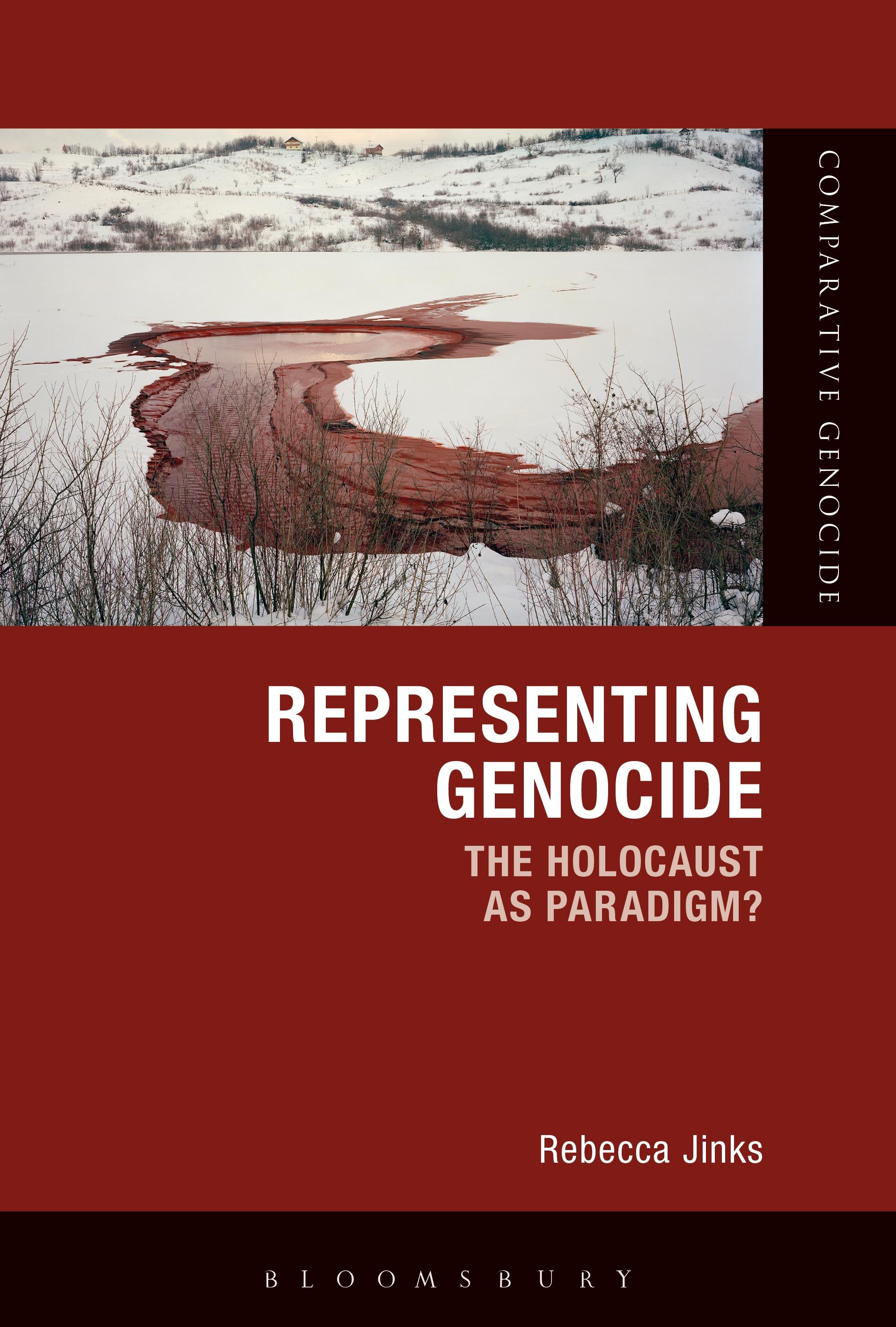
This book explores the diverse ways in which Holocaust representations have influenced and structured how other genocides are understood and represented in the West. Rebecca Jinks focuses in particular on the canonical 20th century cases of genocide: Armenia, Cambodia, Bosnia, and Rwanda. Using literature, film, photography, and memorialisation, she demonstrates that we can only understand the Holocaust's status as a 'benchmark' for other genocides if we look at the deeper, structural resonances which subtly shape many representations of genocide.
Representing Genocide pursues five thematic areas in turn: how genocides are recognised as such by western publics; the representation of the origins and perpetrators of genocide; how western witnesses represent genocide; representations of the aftermath of genocide; and western responses to genocide. Throughout, the book distinguishes between 'mainstream' and other, more nuanced and engaged, representations of genocide. It shows how these mainstream representations – the majority – largely replicate the representational framework of the Holocaust, including the way in which mainstream Holocaust representations resist recognising the rationality, instrumentality and normality of genocide, preferring instead to present it as an aberrant, exceptional event in human society. By contrast, the more engaged representations – often, but not always, originating from those who experienced genocide – tend to revolve around precisely genocide's ordinariness, and the structures and situations common to human society which contribute to and become involved in the violence.
Representing Genocide pursues five thematic areas in turn: how genocides are recognised as such by western publics; the representation of the origins and perpetrators of genocide; how western witnesses represent genocide; representations of the aftermath of genocide; and western responses to genocide. Throughout, the book distinguishes between 'mainstream' and other, more nuanced and engaged, representations of genocide. It shows how these mainstream representations – the majority – largely replicate the representational framework of the Holocaust, including the way in which mainstream Holocaust representations resist recognising the rationality, instrumentality and normality of genocide, preferring instead to present it as an aberrant, exceptional event in human society. By contrast, the more engaged representations – often, but not always, originating from those who experienced genocide – tend to revolve around precisely genocide's ordinariness, and the structures and situations common to human society which contribute to and become involved in the violence.
Pay easily by card, Klarna, Apple Pay or Google Pay. Not happy? You always have a 14-day money-back guarantee. Read more in our terms. If you have any questions, email us at hello@memmo.org.
Memmo makes studying easier – wherever you are in the world. We bring your course books and smart study tools together in one place: summaries, quizzes, podcasts and flashcards. Plus Ted, your study buddy who answers anything you wonder. Over 50,000 students already study here – built to help you learn faster and stress less.