
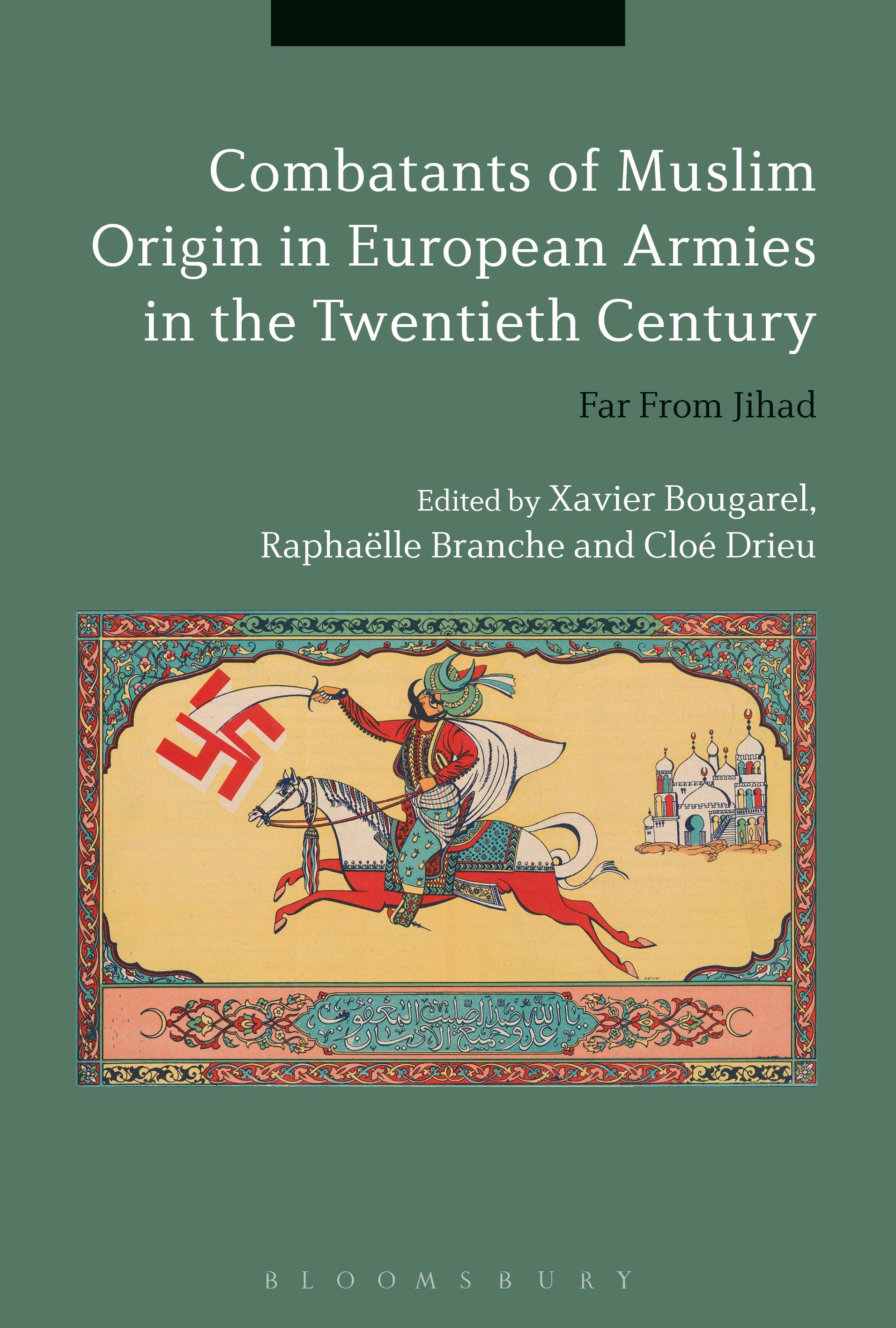
During the two World Wars that marked the 20th century, hundreds of thousands of non-European combatants fought in the ranks of various European armies. The majority of these soldiers were Muslims from North Africa, Sub-Saharan Africa, Central Asia, or the Indian Subcontinent.
How are these combatants considered in existing historiography? Over the past few decades, research on war has experienced a wide-reaching renewal, with increased emphasis on the social and cultural dimensions of war, and a desire to reconstruct the experience and viewpoint of the combatants themselves. This volume reintroduces the question of religious belonging and practice into the study of Muslim combatants in European armies in the 20th century, focusing on the combatants' viewpoint alongside that of the administrations and military hierarchy.
How are these combatants considered in existing historiography? Over the past few decades, research on war has experienced a wide-reaching renewal, with increased emphasis on the social and cultural dimensions of war, and a desire to reconstruct the experience and viewpoint of the combatants themselves. This volume reintroduces the question of religious belonging and practice into the study of Muslim combatants in European armies in the 20th century, focusing on the combatants' viewpoint alongside that of the administrations and military hierarchy.
Pay easily by card, Klarna, Apple Pay or Google Pay. Not happy? You always have a 14-day money-back guarantee. Read more in our terms. If you have any questions, email us at hello@memmo.org.
Memmo makes studying easier – wherever you are in the world. We bring your course books and smart study tools together in one place: summaries, quizzes, podcasts and flashcards. Plus Ted, your study buddy who answers anything you wonder. Over 50,000 students already study here – built to help you learn faster and stress less.