
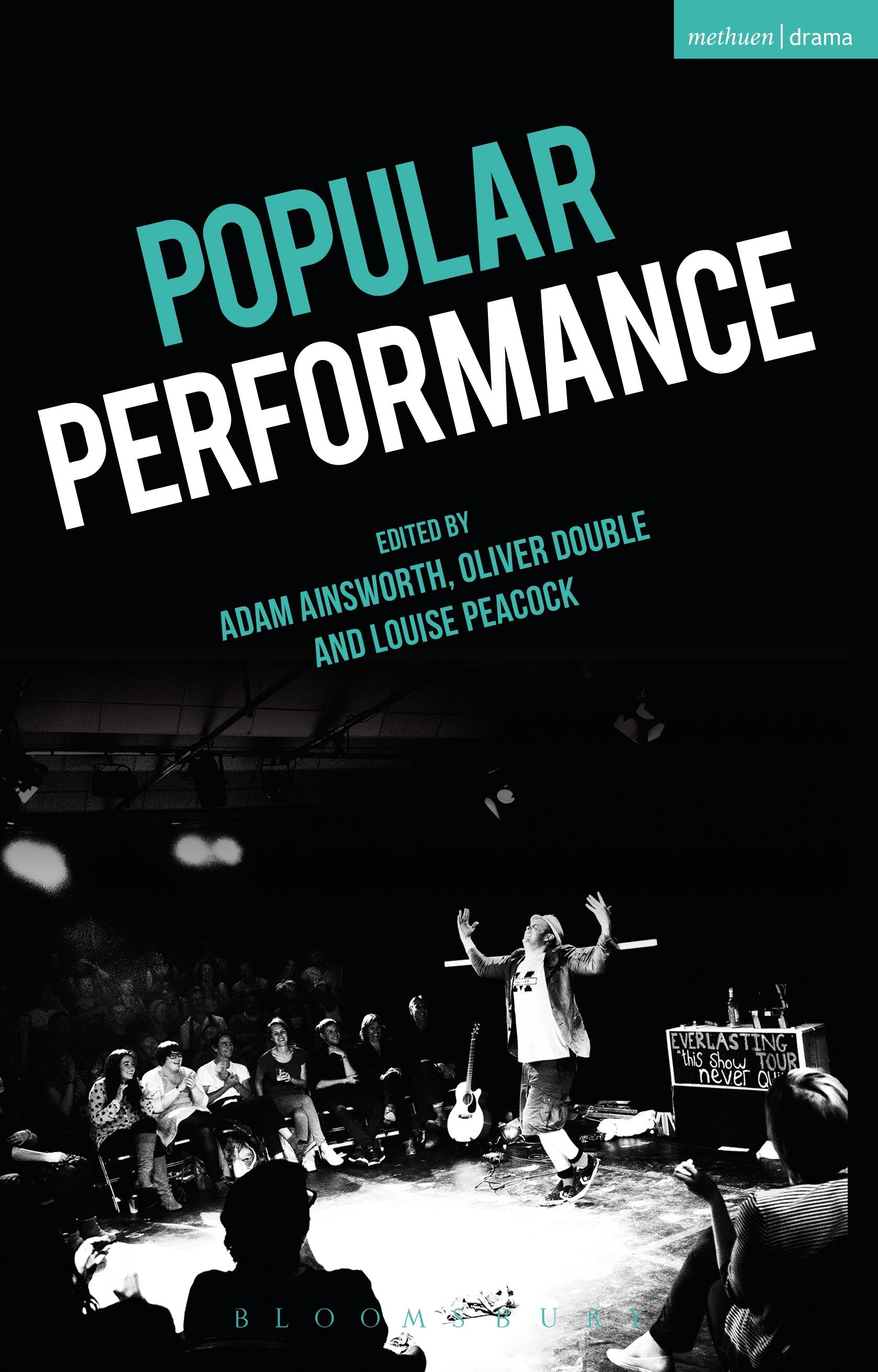
There is no fourth wall in popular performance. The show is firmly rooted in the here and now, and the performers address the audience directly, while the audience answer back with laughter, applause or heckling. Performer and role are interlaced, so that we are left uncertain about just how the persona we see onstage might relate to the private person who presents it to us.
Popular Performance defines and surveys varieties of performance where the main purpose is to entertain, and where there is no shame in being trivial, frivolous or nonsensical as long as people go home happy at the end of the show. Contributions by new and established scholars focus particularly on how it is made, explaining the techniques of performance and production that make it so appealing to audiences. With sections examining how popular performance works in a range of historical and contemporary examples, readers will gain insights into:
* performance forms associated with the variety tradition: music hall, vaudeville, cabaret, variety
* performance forms associated with circus: wild west shows, clowning
* issues relating to the identity of the performer in relation to magic, burlesque, pantomime in contemporary performance
* issues relating to venue and audience in relation to contemporary street theatre, stand-up, and live sketch comedy.
Popular Performance defines and surveys varieties of performance where the main purpose is to entertain, and where there is no shame in being trivial, frivolous or nonsensical as long as people go home happy at the end of the show. Contributions by new and established scholars focus particularly on how it is made, explaining the techniques of performance and production that make it so appealing to audiences. With sections examining how popular performance works in a range of historical and contemporary examples, readers will gain insights into:
* performance forms associated with the variety tradition: music hall, vaudeville, cabaret, variety
* performance forms associated with circus: wild west shows, clowning
* issues relating to the identity of the performer in relation to magic, burlesque, pantomime in contemporary performance
* issues relating to venue and audience in relation to contemporary street theatre, stand-up, and live sketch comedy.
Pay easily by card, Klarna, Apple Pay or Google Pay. Not happy? You always have a 14-day money-back guarantee. Read more in our terms. If you have any questions, email us at hello@memmo.org.
Memmo makes studying easier – wherever you are in the world. We bring your course books and smart study tools together in one place: summaries, quizzes, podcasts and flashcards. Plus Ted, your study buddy who answers anything you wonder. Over 75,000 students already study here – built to help you learn faster and stress less.