
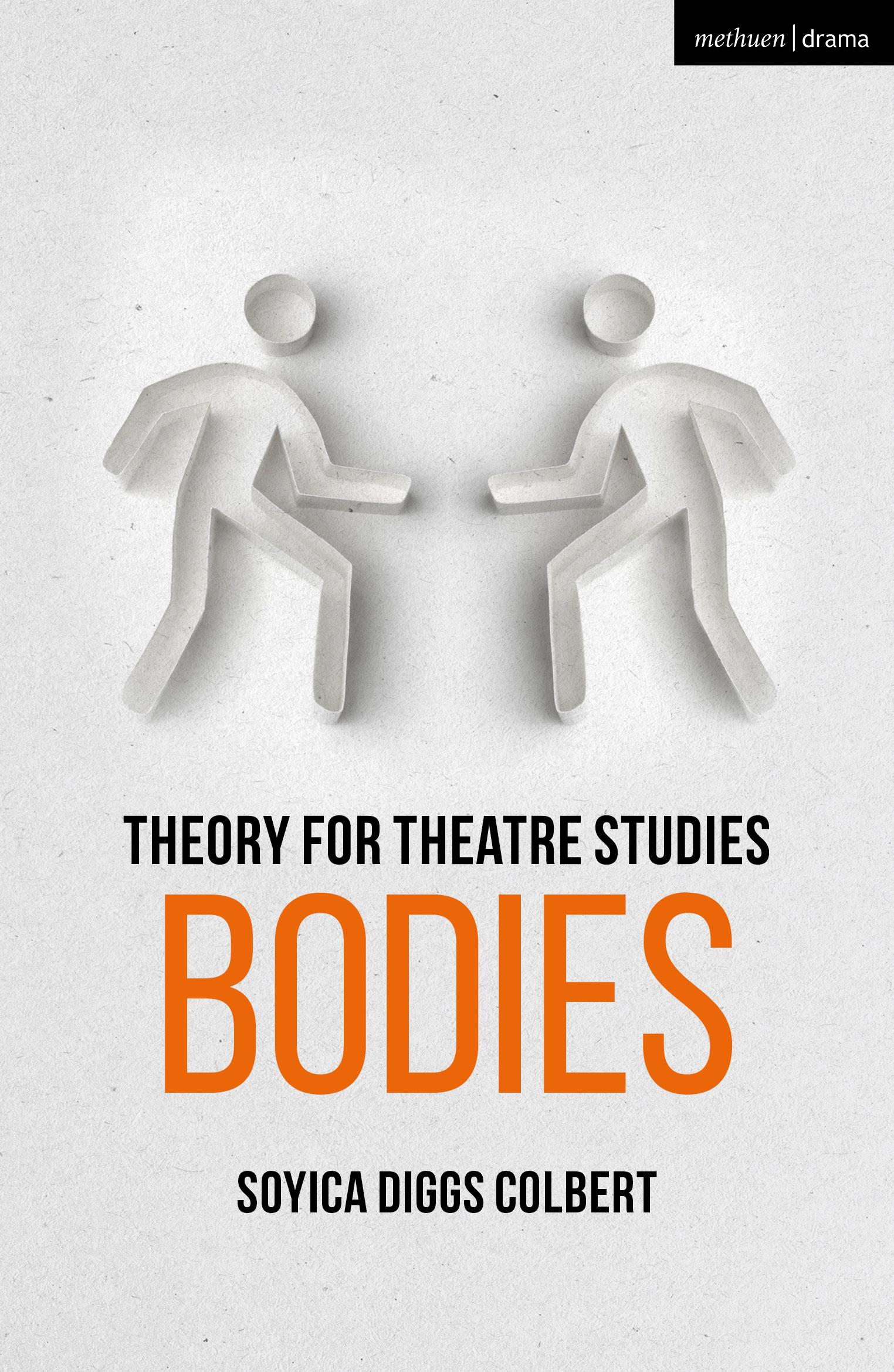
How does theatre shape the body and perceptions of it? How do bodies on stage challenge audience assumptions about material evidence and the truth? Theory for Theatre Studies: Bodies responds to these questions by examining how theatre participates in and informs theories of the body in performance, race, queer, disability, trans, gender, and new media studies.
Throughout the 20th century, theories of the body have shifted from understanding the body as irrefutable material evidence of race, sex, and gender, to a social construction constituted in language. In the same period, theatre has struggled with representing ideas through live bodies while calling into question assumptions about the body.
This volume demonstrates how theatre contributes to understanding the historical, contemporary and burgeoning theories of the body. It explores how theories of the body inform debates about labor conditions and spatial configurations. Theatre allows performers to shift an audience's understandings of the shape of the bodies on stage, possibly producing a reflexive dynamic for consideration of bodies offstage as well. In addition, casting choices in the theatre, most recently and popularly in Hamilton, question how certain bodies are “cast” in social, historical, and philosophical roles. Through an analysis of contemporary case studies, including The Balcony, Angels in America, and Father Comes Home from the Wars, this volume examines how the theatre theorizes bodies. Online resources are also available to accompany this book.
Throughout the 20th century, theories of the body have shifted from understanding the body as irrefutable material evidence of race, sex, and gender, to a social construction constituted in language. In the same period, theatre has struggled with representing ideas through live bodies while calling into question assumptions about the body.
This volume demonstrates how theatre contributes to understanding the historical, contemporary and burgeoning theories of the body. It explores how theories of the body inform debates about labor conditions and spatial configurations. Theatre allows performers to shift an audience's understandings of the shape of the bodies on stage, possibly producing a reflexive dynamic for consideration of bodies offstage as well. In addition, casting choices in the theatre, most recently and popularly in Hamilton, question how certain bodies are “cast” in social, historical, and philosophical roles. Through an analysis of contemporary case studies, including The Balcony, Angels in America, and Father Comes Home from the Wars, this volume examines how the theatre theorizes bodies. Online resources are also available to accompany this book.
Pay easily by card, Klarna, Apple Pay or Google Pay. Not happy? You always have a 14-day money-back guarantee. Read more in our terms. If you have any questions, email us at hello@memmo.org.
Memmo makes studying easier – wherever you are in the world. We bring your course books and smart study tools together in one place: summaries, quizzes, podcasts and flashcards. Plus Ted, your study buddy who answers anything you wonder. Over 75,000 students already study here – built to help you learn faster and stress less.