
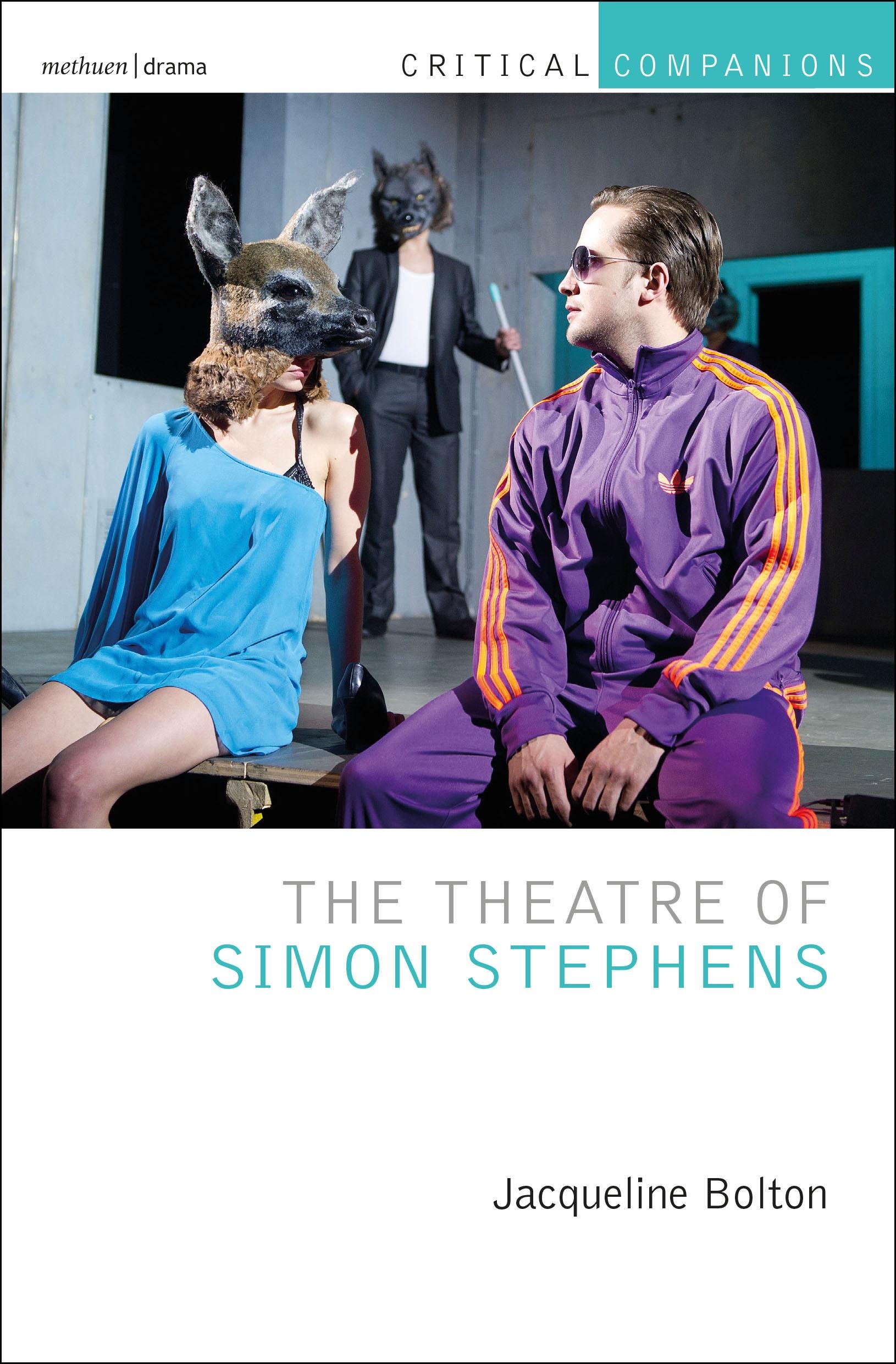
Simon Stephens is one of Europe's pre-eminent living playwrights. Since the beginning of his career in 1998, Stephens's award-winning plays have been translated into over twenty languages, been produced on four continents, and continue to feature prominently in the repertoires of European theatre. His original works have garnered numerous awards, with his stage adaptation of Mark Haddon's novel The Curious Incident of the Dog in the Night-Time winning seven Olivier Awards and enjoying acclaim on Broadway.
In the first book to provide a critical account of Stephens's work, Jacqueline Bolton draws upon the playwright's unpublished personal archives, as well as original interviews with directors and actors, to advance detailed analyses of his original plays and their productions, examine contemporary approaches to playwriting, and deliver insights into broader debates regarding text, performance and authorship. Caridad Svich addresses Stephens's theatrical output between 2014 and 2019, and essays from Mireia Aragay and James Hudson provide additional perspectives on international productions and the playwright's adaptive practices. Andrew Haydon's edited interviews with six of Stephens's key collaborators – Marianne Elliott, Sarah Frankcom, Sean Holmes, Ramin Gray, Katie Mitchell and Carrie Cracknell – further illuminate the work from a director's viewpoint.
The Theatre of Simon Stephens situates the playwright's oeuvre within his embrace of aesthetics and working relations encountered in European theatre cultures, focusing in particular upon shifting attitudes towards the function of the playwright, the relationship between playwrights and directors, and the role of the audience in live performance.
The Companion serves as a lively and engaging study of one of the most restlessly creative and important dramatists of our generation.
In the first book to provide a critical account of Stephens's work, Jacqueline Bolton draws upon the playwright's unpublished personal archives, as well as original interviews with directors and actors, to advance detailed analyses of his original plays and their productions, examine contemporary approaches to playwriting, and deliver insights into broader debates regarding text, performance and authorship. Caridad Svich addresses Stephens's theatrical output between 2014 and 2019, and essays from Mireia Aragay and James Hudson provide additional perspectives on international productions and the playwright's adaptive practices. Andrew Haydon's edited interviews with six of Stephens's key collaborators – Marianne Elliott, Sarah Frankcom, Sean Holmes, Ramin Gray, Katie Mitchell and Carrie Cracknell – further illuminate the work from a director's viewpoint.
The Theatre of Simon Stephens situates the playwright's oeuvre within his embrace of aesthetics and working relations encountered in European theatre cultures, focusing in particular upon shifting attitudes towards the function of the playwright, the relationship between playwrights and directors, and the role of the audience in live performance.
The Companion serves as a lively and engaging study of one of the most restlessly creative and important dramatists of our generation.
Pay easily by card, Klarna, Apple Pay or Google Pay. Not happy? You always have a 14-day money-back guarantee. Read more in our terms. If you have any questions, email us at hello@memmo.org.
Memmo makes studying easier – wherever you are in the world. We bring your course books and smart study tools together in one place: summaries, quizzes, podcasts and flashcards. Plus Ted, your study buddy who answers anything you wonder. Over 75,000 students already study here – built to help you learn faster and stress less.