
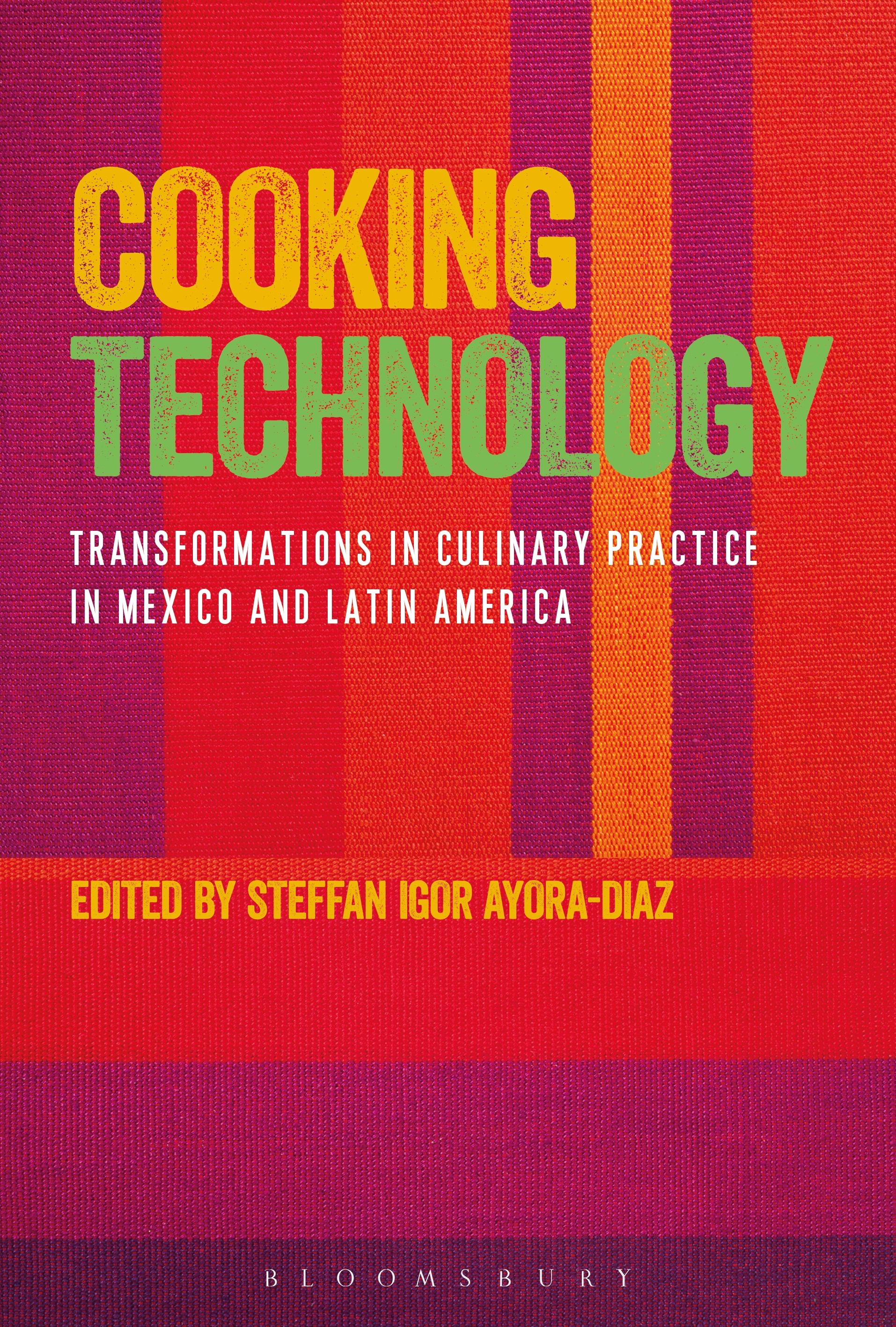
New scientific discoveries, technologies and techniques often find their way into the space and equipment of domestic and professional kitchens. Using approaches based on anthropology, archaeology and history, Cooking Technology reveals the impact these and the associated broader socio-cultural, political and economic changes have on everyday culinary practices, explaining why people transform – or, indeed, refuse to change – their kitchens and food habits.
Focusing on Mexico and Latin America, the authors look at poor, rural households as well as the kitchens of the well-to-do and professional chefs. Topics range from state subsidies for traditional ingredients, to the promotion of fusion foods, and the meaning of kitchens and cooking in different localities, as a result of people taking their cooking technologies and ingredients with them to recreate their kitchens abroad. What emerges is an image of Latin American kitchens as places where 'traditional' and 'modern' culinary values are constantly being renegotiated.
The thirteen chapters feature case studies of areas in Mexico, the American-Mexican border, Cuba, Guatemala, Costa Rica, Venezuela, Colombia, Peru, and Brazil. With contributions from an international range of leading experts, Cooking Technology fills an important gap in the literature and provides an excellent introduction to the topic for students and researchers working in food studies, anthropology, history, and Latin American studies.
Focusing on Mexico and Latin America, the authors look at poor, rural households as well as the kitchens of the well-to-do and professional chefs. Topics range from state subsidies for traditional ingredients, to the promotion of fusion foods, and the meaning of kitchens and cooking in different localities, as a result of people taking their cooking technologies and ingredients with them to recreate their kitchens abroad. What emerges is an image of Latin American kitchens as places where 'traditional' and 'modern' culinary values are constantly being renegotiated.
The thirteen chapters feature case studies of areas in Mexico, the American-Mexican border, Cuba, Guatemala, Costa Rica, Venezuela, Colombia, Peru, and Brazil. With contributions from an international range of leading experts, Cooking Technology fills an important gap in the literature and provides an excellent introduction to the topic for students and researchers working in food studies, anthropology, history, and Latin American studies.
Pay easily by card, Klarna, Apple Pay or Google Pay. Not happy? You always have a 14-day money-back guarantee. Read more in our terms. If you have any questions, email us at hello@memmo.org.
Memmo makes studying easier – wherever you are in the world. We bring your course books and smart study tools together in one place: summaries, quizzes, podcasts and flashcards. Plus Ted, your study buddy who answers anything you wonder. Over 50,000 students already study here – built to help you learn faster and stress less.