
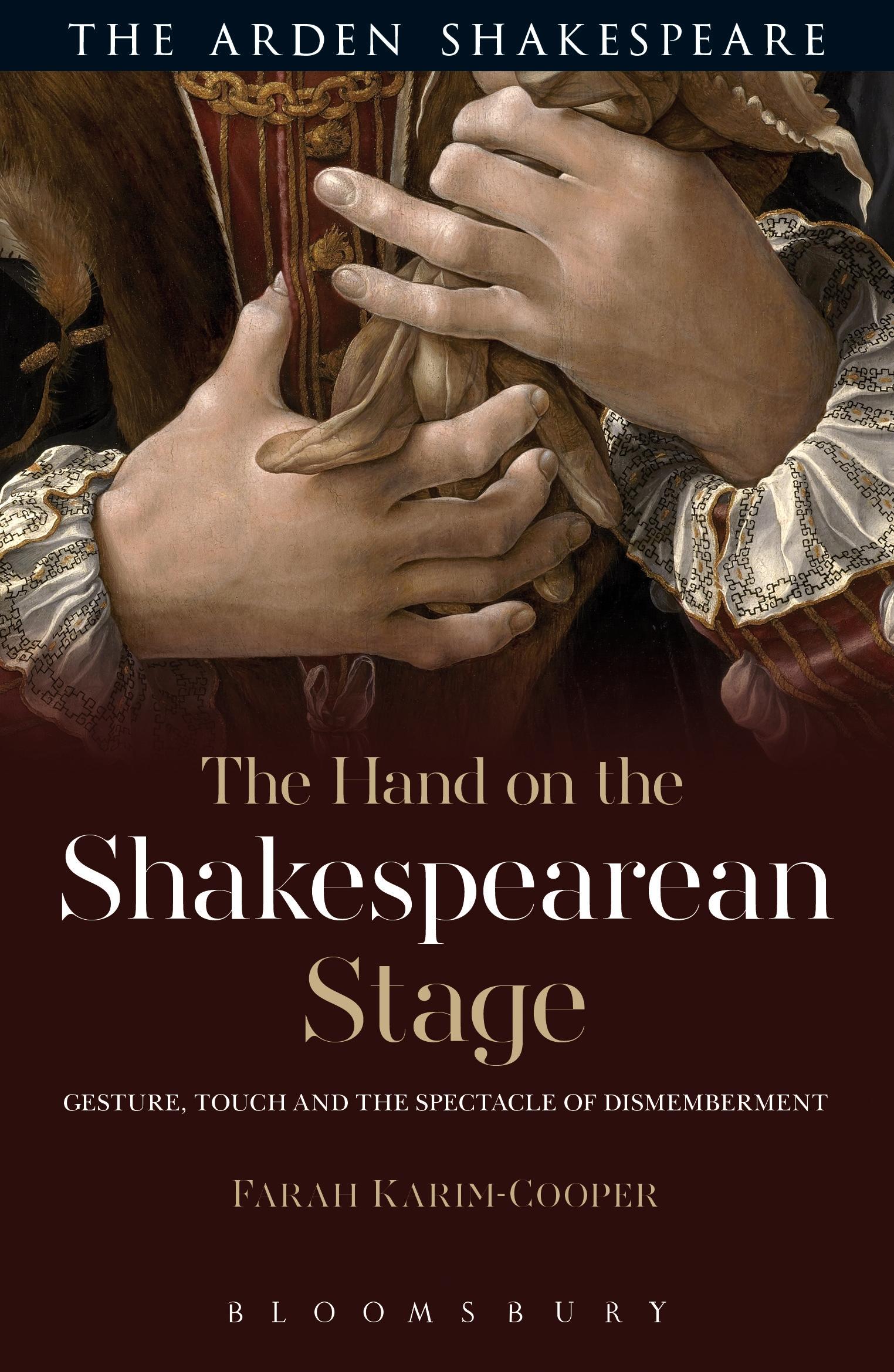
This ground-breaking new book uncovers the way Shakespeare draws upon the available literature and visual representations of the hand to inform his drama.
Providing an analysis of gesture, touch, skill and dismemberment in a range of Shakespeare's works, it shows how the hand was perceived in Shakespeare's time as an indicator of human agency, emotion, social and personal identity. It demonstrates how the hand and its activities are described and embedded in Shakespeare's texts and about its role on the Shakespearean stage: as part of the actor's body, in the language as metaphor, and as a morbid stage-prop. Understanding the cultural signifiers that lie behind the early modern understanding of the hand and gesture, opens up new and sometimes disturbing ways of reading and seeing Shakespeare's plays.
Providing an analysis of gesture, touch, skill and dismemberment in a range of Shakespeare's works, it shows how the hand was perceived in Shakespeare's time as an indicator of human agency, emotion, social and personal identity. It demonstrates how the hand and its activities are described and embedded in Shakespeare's texts and about its role on the Shakespearean stage: as part of the actor's body, in the language as metaphor, and as a morbid stage-prop. Understanding the cultural signifiers that lie behind the early modern understanding of the hand and gesture, opens up new and sometimes disturbing ways of reading and seeing Shakespeare's plays.
Pay easily by card, Klarna, Apple Pay or Google Pay. Not happy? You always have a 14-day money-back guarantee. Read more in our terms. If you have any questions, email us at hello@memmo.org.
Memmo makes studying easier – wherever you are in the world. We bring your course books and smart study tools together in one place: summaries, quizzes, podcasts and flashcards. Plus Ted, your study buddy who answers anything you wonder. Over 75,000 students already study here – built to help you learn faster and stress less.