
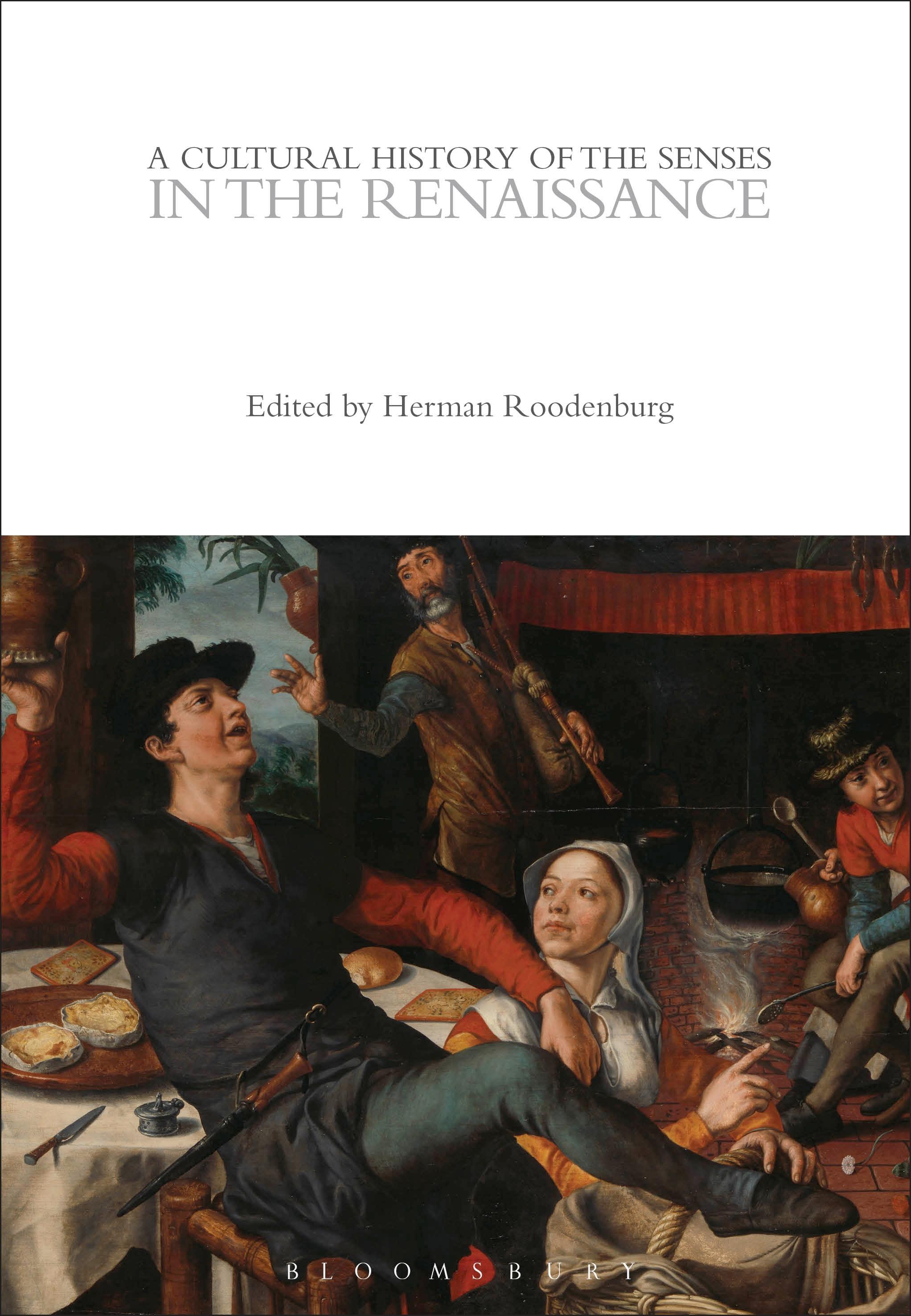
We know the Renaissance as a key period in the history of Europe. It saw the development of court and urban cultures, witnessed the first global voyages of discovery and gave rise to the Reformation and Counter Reformation. It also started with the 'invention' of oil painting, linear perspective and moveable type, all visual technologies. Does that mean, as has been suggested, that the Renaissance stands for the 'ascendancy of the eye'? If so, then what happened to the sensory extremes which the famous Dutch historian Johan Huizinga still perceived in the 15th century? Did they simply disappear? Or is there another history to be told, a history of a surprising continuity, not only of the sense of hearing but also of the 'lower' senses – those of taste, smell and touch? And was the Renaissance not first and foremost a time of deep sensory anxiety? This volume, assembling nine outstanding specialists, seeks to answer these questions while offering a lively and 'sensational' portrait of the period.
A Cultural History of the Senses in the Renaissance presents essays on the following topics: the social life of the senses; urban sensations; the senses in the marketplace; the senses in religion; the senses in philosophy and science; medicine and the senses; the senses in literature; art and the senses; and sensory media.
A Cultural History of the Senses in the Renaissance presents essays on the following topics: the social life of the senses; urban sensations; the senses in the marketplace; the senses in religion; the senses in philosophy and science; medicine and the senses; the senses in literature; art and the senses; and sensory media.
Pay easily by card, Klarna, Apple Pay or Google Pay. Not happy? You always have a 14-day money-back guarantee. Read more in our terms. If you have any questions, email us at hello@memmo.org.
Memmo makes studying easier – wherever you are in the world. We bring your course books and smart study tools together in one place: summaries, quizzes, podcasts and flashcards. Plus Ted, your study buddy who answers anything you wonder. Over 50,000 students already study here – built to help you learn faster and stress less.