
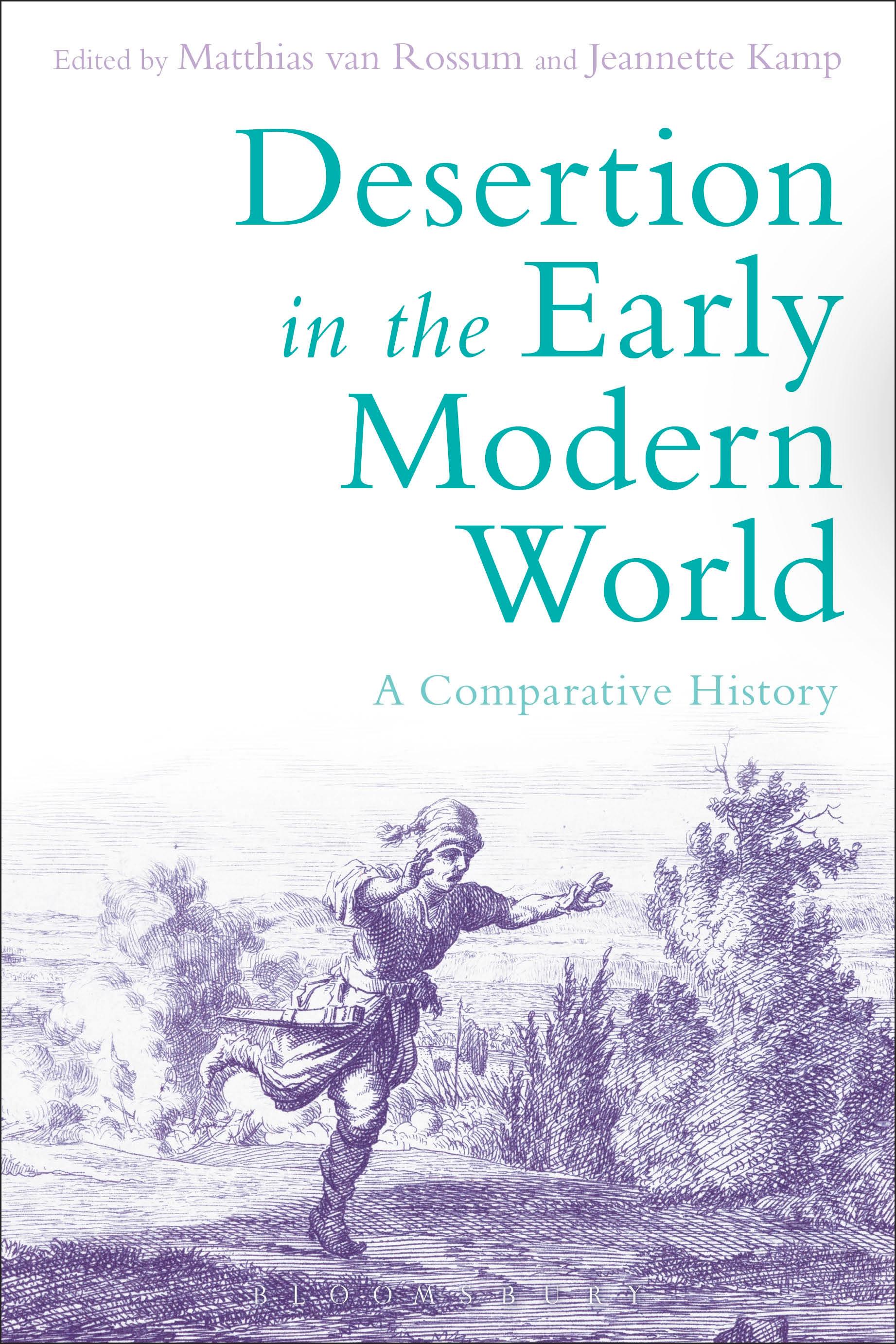
Early modern globalization was built on a highly labour intensive infrastructure. This book looks at the millions of workers who were needed to operate the ships, ports, store houses, forts and factories crucial to local and global exchange. These sailors, soldiers, craftsmen and slaves were crucial to globalization but were also confronted with the process of globalization themselves. They were often migrants who worked, directly or indirectly, for trading companies, merchants and producers that tried to discipline and control their labour force.
The contributors to this volume offer an integrated, thematic study of the global history of desertion in European, Atlantic and Asian contexts. By tracing and comparing acts and patterns of desertion across empires, economic systems, regions and types of workers, Desertion in the Early Modern World illuminates the crucial role of practices of desertion among workers in shaping the history of imperial and economic expansion in the early modern period.
The contributors to this volume offer an integrated, thematic study of the global history of desertion in European, Atlantic and Asian contexts. By tracing and comparing acts and patterns of desertion across empires, economic systems, regions and types of workers, Desertion in the Early Modern World illuminates the crucial role of practices of desertion among workers in shaping the history of imperial and economic expansion in the early modern period.
Pay easily by card, Klarna, Apple Pay or Google Pay. Not happy? You always have a 14-day money-back guarantee. Read more in our terms. If you have any questions, email us at hello@memmo.org.
Memmo makes studying easier – wherever you are in the world. We bring your course books and smart study tools together in one place: summaries, quizzes, podcasts and flashcards. Plus Ted, your study buddy who answers anything you wonder. Over 50,000 students already study here – built to help you learn faster and stress less.