
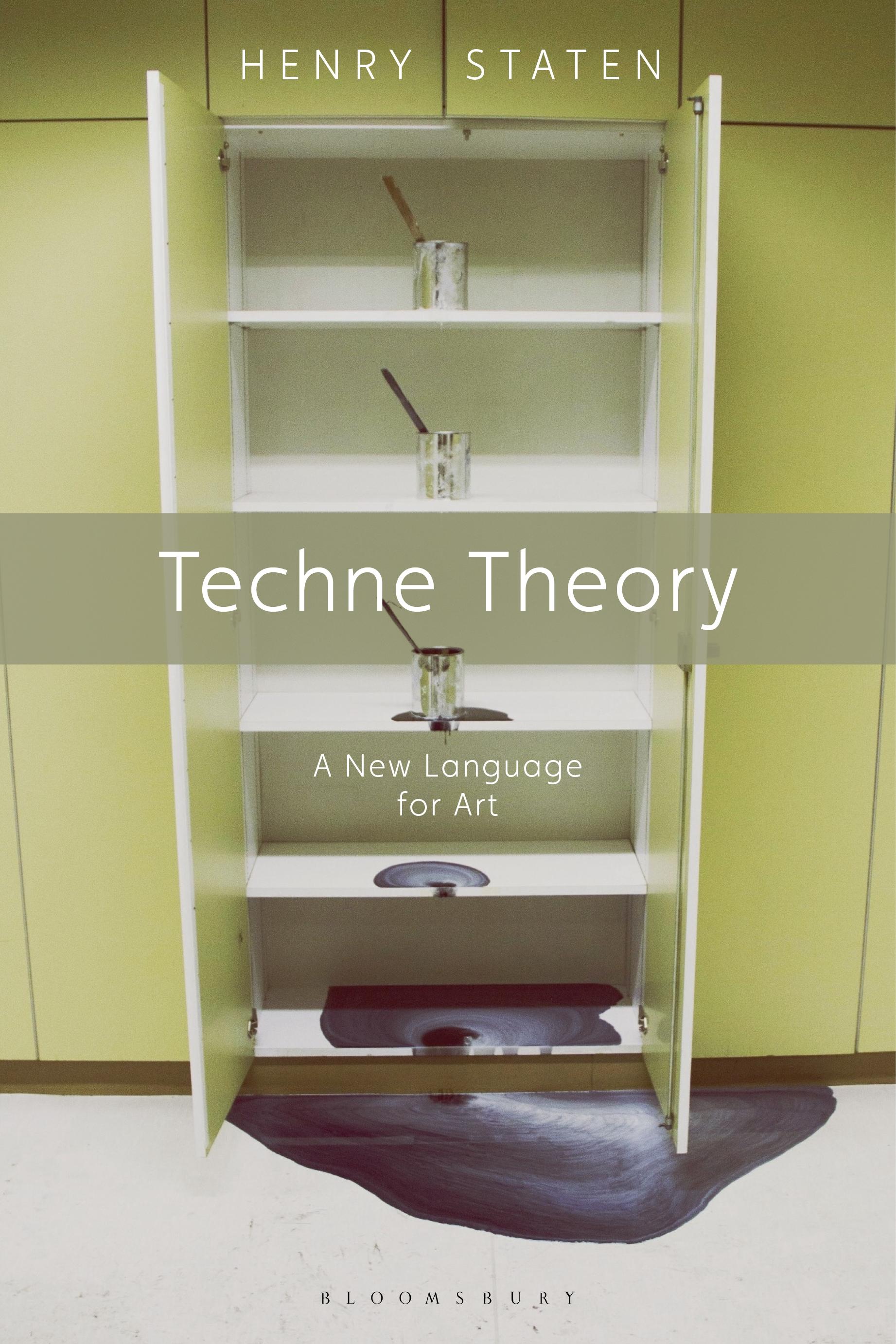
Only since the Romantic period has art been understood in terms of an ineffable aesthetic quality of things like poems, paintings, and sculptures, and the art-maker as endowed with an inexplicable power of creation. From the Greeks to the 18th century, art was conceived as techne--the skill and know-how by which things and states of affairs are ordered. Techne Theory shows how to use this concept to cut through the Romantic notion of art as a kind of magic by returning to the original sense of art as techne, the standpoint of the person who actually knows how to make a work of art.
Understood as techne, art-making, like all other cultural accomplishments, is a form of work performed by an artisan who has inherited the know-how of previous generations of artisans. Along the way, Techne Theory cuts through the humanist-structuralist impasse over the question of artistic agency and explains what 'form' really means.
Understood as techne, art-making, like all other cultural accomplishments, is a form of work performed by an artisan who has inherited the know-how of previous generations of artisans. Along the way, Techne Theory cuts through the humanist-structuralist impasse over the question of artistic agency and explains what 'form' really means.
Pay easily by card, Klarna, Apple Pay or Google Pay. Not happy? You always have a 14-day money-back guarantee. Read more in our terms. If you have any questions, email us at hello@memmo.org.
Memmo makes studying easier – wherever you are in the world. We bring your course books and smart study tools together in one place: summaries, quizzes, podcasts and flashcards. Plus Ted, your study buddy who answers anything you wonder. Over 50,000 students already study here – built to help you learn faster and stress less.