
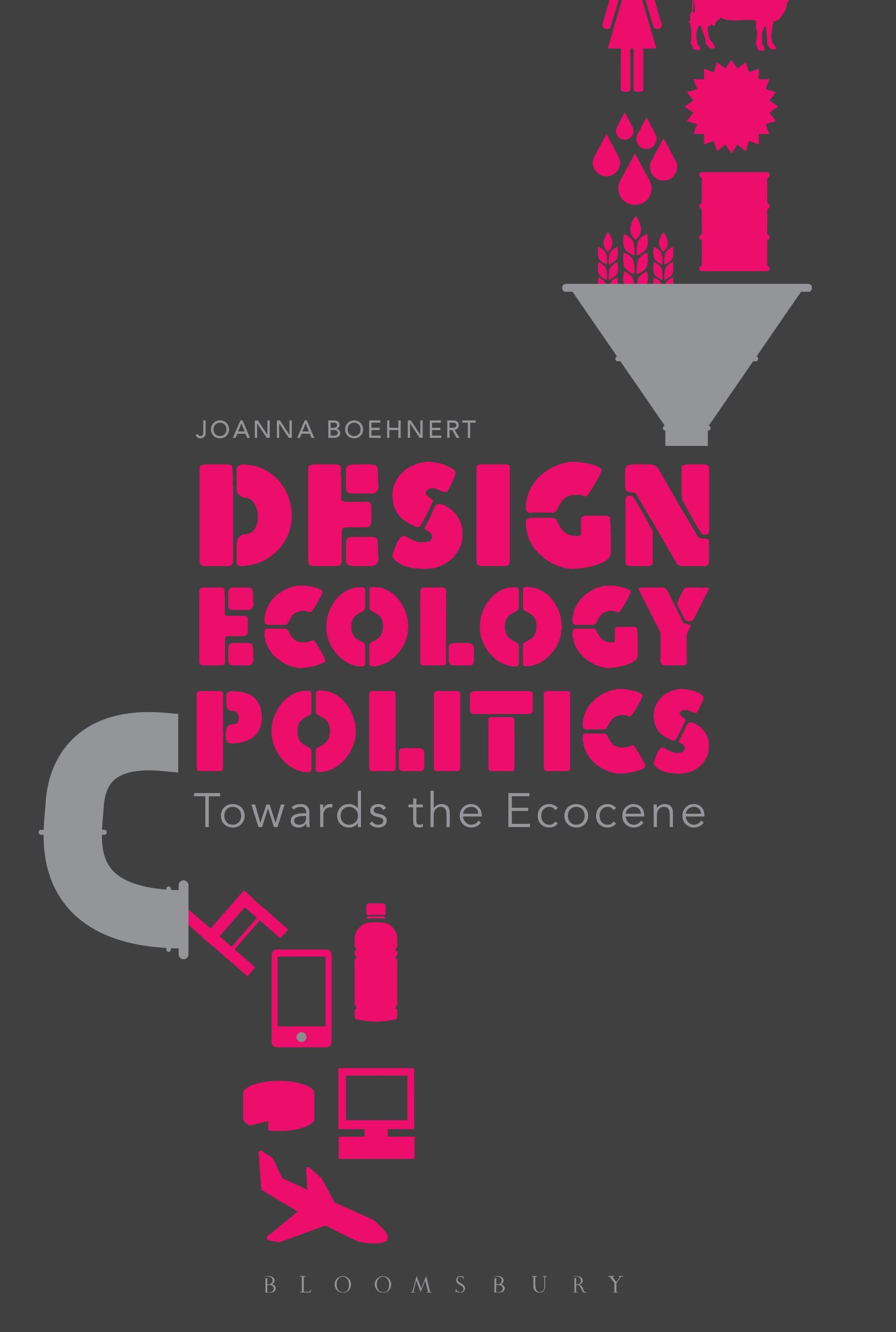
Design, Ecology, Politics links social and ecological theory to design theory and practice, critiquing the ways in which the design industry perpetuates unsustainable development.
Boehnert argues that when design does engage with issues of sustainability, this engagement remains shallow, due to the narrow basis of analysis in design education and theory. The situation is made more severe by design cultures which claim to be apolitical. Where design education fails to recognise the historical roots of unsustainable practice, it reproduces old errors. New ecologically informed design methods and tools hold promise only when incorporated into a larger project of political change. Design, Ecology, Politics describes how ecological literacy challenges many central assumptions in design theory and practice.
By bringing design, ecology and socio-political theory together, Boehnert describes how power is constructed, reproduced and obfuscated by design in ways which often cause environmental harms. She uses case studies to illustrate how communication design functions to either conceal or reveal the ecological and social impacts of current modes of production. The transformative potential of design is dependent on deep-reaching analysis of the problems design attempts to address. Ecologically literate and critically engaged design is a practice primed to facilitate the creation of viable, sustainable and just futures. With this approach, designers can make sustainability not only possible, but attractive.
Boehnert argues that when design does engage with issues of sustainability, this engagement remains shallow, due to the narrow basis of analysis in design education and theory. The situation is made more severe by design cultures which claim to be apolitical. Where design education fails to recognise the historical roots of unsustainable practice, it reproduces old errors. New ecologically informed design methods and tools hold promise only when incorporated into a larger project of political change. Design, Ecology, Politics describes how ecological literacy challenges many central assumptions in design theory and practice.
By bringing design, ecology and socio-political theory together, Boehnert describes how power is constructed, reproduced and obfuscated by design in ways which often cause environmental harms. She uses case studies to illustrate how communication design functions to either conceal or reveal the ecological and social impacts of current modes of production. The transformative potential of design is dependent on deep-reaching analysis of the problems design attempts to address. Ecologically literate and critically engaged design is a practice primed to facilitate the creation of viable, sustainable and just futures. With this approach, designers can make sustainability not only possible, but attractive.
Pages: 224
Category: Konst, Design & Fotografi
e-ISBN: 9781472588623
Shipping weight: 1.2 kg
Ships in: 1-2 days
Pay easily by card, Klarna, Apple Pay or Google Pay. Not happy? You always have a 14-day money-back guarantee. Read more in our terms. If you have any questions, email us at hello@memmo.org.
Memmo makes studying easier – wherever you are in the world. We bring your course books and smart study tools together in one place: summaries, quizzes, podcasts and flashcards. Plus Ted, your study buddy who answers anything you wonder. Over 50,000 students already study here – built to help you learn faster and stress less.