
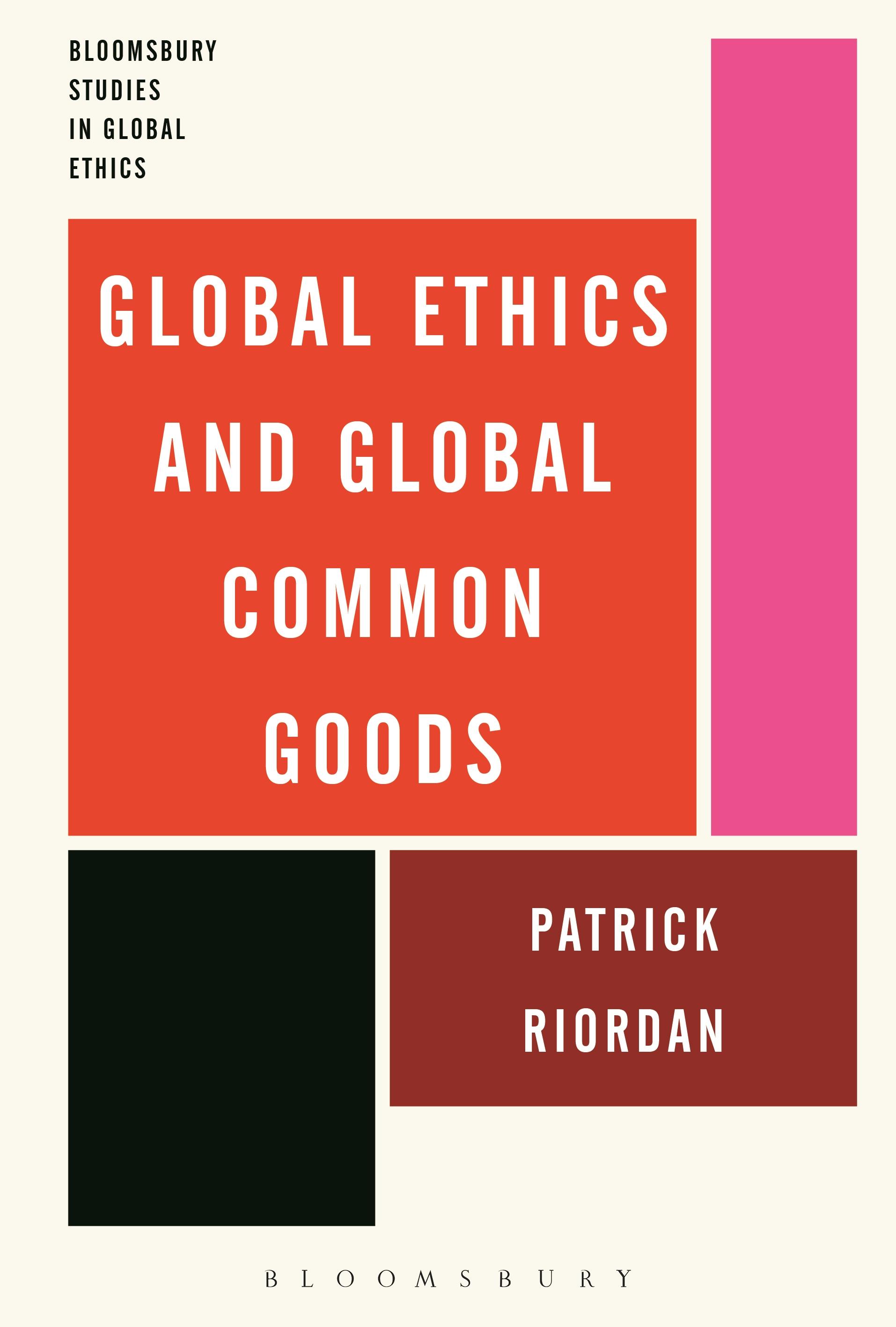
Patrick Riordan takes a different approach to the questions of global ethics by following the direction of questioning initially pioneered by Aristotle; for him the most basic question of ethics is 'what is the good life'? So in the context of contemporary global ethics the Aristotelian questioner wonders about the good life on a global scale. Global Ethics and Global Common Goods fills the gap in existing literature caused by the neglect of the topic of the good in global ethics.
Beginning by outlining answers to questions such as 'what is good?' and 'is there a highest good?' Riordan demonstrates the value of a common good perspective in matters of universal human rights and their institutions and practices, the study of international relations and the construction of global institutions, and debates about global justice between cosmopolitanism, nationalism and economic globalization. Philosophical questions provoked by these debates are identified and pursued, such as the question of a common human nature which seems presupposed by the language of universal rights.
For experienced students of political philosophy and international relations this is a crucial text in the literature exploring the possibilities for politics on a world scale, while the perspective of the common good adds a new and distinctive dimension to current debates on global security and the challenges of managing conflict.
Beginning by outlining answers to questions such as 'what is good?' and 'is there a highest good?' Riordan demonstrates the value of a common good perspective in matters of universal human rights and their institutions and practices, the study of international relations and the construction of global institutions, and debates about global justice between cosmopolitanism, nationalism and economic globalization. Philosophical questions provoked by these debates are identified and pursued, such as the question of a common human nature which seems presupposed by the language of universal rights.
For experienced students of political philosophy and international relations this is a crucial text in the literature exploring the possibilities for politics on a world scale, while the perspective of the common good adds a new and distinctive dimension to current debates on global security and the challenges of managing conflict.
Pay easily by card, Klarna, Apple Pay or Google Pay. Not happy? You always have a 14-day money-back guarantee. Read more in our terms. If you have any questions, email us at hello@memmo.org.
Memmo makes studying easier – wherever you are in the world. We bring your course books and smart study tools together in one place: summaries, quizzes, podcasts and flashcards. Plus Ted, your study buddy who answers anything you wonder. Over 50,000 students already study here – built to help you learn faster and stress less.